
Old ABA vs new ABA is an informal comparison, not an official BACB classification. People usually use it to ask how behavior-analytic practice has changed in its goals, ethical safeguards, attention to client voice, assessment, teaching procedures, data, and generalization. The useful answer is a careful comparison of practices—not a claim that one date divides all good and bad work.
Table of Contents
- What Do People Mean by Old ABA vs New ABA?
- Why Is the History Important?
- How Is Old ABA Different From New ABA?
- What Changed Across Practice Dimensions?
- What Should You Look For in Current ABA Practice?
- How Can You Review a Program Without Using Labels?
- What Are the BCBA Exam Clues?
- What Mistakes Should You Avoid?
- Old ABA vs New ABA FAQ
- Sources and Date Check
- Take the Free BCBA Mock Exam
“Old ABA” and “new ABA” are phrases used in public conversations, family resources, and professional debate. They often point to real changes in the field, but neither phrase names a single official treatment model. Applied behavior analysis has always included different researchers, settings, goals, and ethical decisions. A historical label can help someone ask a question; it cannot tell you whether a particular current program is respectful, effective, individualized, or safe.
What Do People Mean by Old ABA vs New ABA?
In an old ABA vs new ABA comparison, “old” often refers to earlier or more narrowly applied practices that emphasized adult-selected goals, highly structured teaching, compliance, observable topography, and strong control of the learning environment. “New” or “modern” often refers to practice that places more visible weight on socially meaningful outcomes, functional communication, assent and client voice, contextual fit, reinforcement-based teaching, least-intrusive procedures, generalization, and collaborative decision-making.
That summary is a trend description, not a verdict about every older or newer practitioner. Early behavior analysts also studied socially important skills and used reinforcement, while a current provider can still use poor goals, ignore communication, or apply an intervention without adequate consent and data. The correct review question is: What is this program actually doing, what evidence supports it, and how are the client’s rights and preferences protected?
The current Ethics Code for Behavior Analysts and the BCBA Test Content Outline are better anchors for present expectations than a marketing phrase such as “new ABA.” They provide professional standards and exam content; they do not create an official old/new taxonomy.
Why Is the History Important?
Historical context matters because people experienced behavior-analytic and behavior-modification practices differently across decades, institutions, and providers. Some past programs used highly restrictive or punishment-based procedures, goals that prioritized compliance over communication, or teaching arrangements that did not adequately protect autonomy and dignity. Those histories shaped public trust, professional criticism, research priorities, regulation, and the development of stronger ethical safeguards.
It is also inaccurate to imagine a simple story in which the field was uniformly harmful and then suddenly became uniformly compassionate. Practice changes unevenly. Research findings, disability-rights advocacy, family experience, professional self-critique, legal requirements, and ethics codes all influence what responsible teams should do. A useful history names harm and safeguards without using history as proof that every current program or every past professional is the same.
Peer-reviewed histories of behavior analysis describe how debates about punishment, human research, consent, and professional responsibility contributed to current safeguards. For a learner, the exam-relevant lesson is not to memorize “old equals punishment.” It is to recognize why a behavior analyst evaluates risk, considers less intrusive alternatives, obtains appropriate consent or assent, and monitors whether an intervention benefits the client.
How Is Old ABA Different From New ABA?
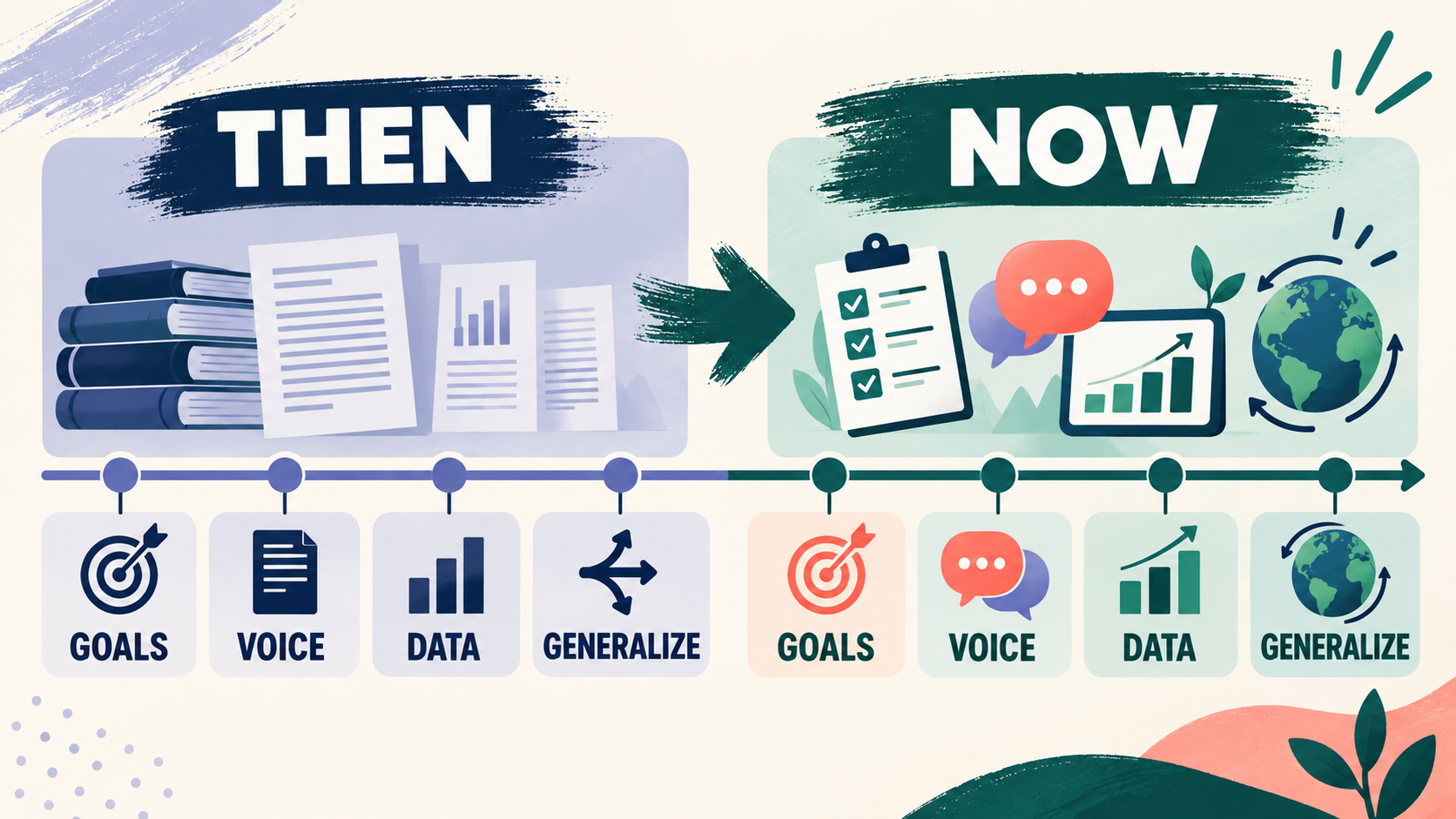
The comparison below describes common trends rather than rigid categories. A real program may include structured teaching and naturalistic teaching, direct skill instruction and learner choice, or different procedures for different goals. The ethical question is how those components are selected, implemented, monitored, and experienced by the client.
| Practice dimension | What people may mean by “old” | What people may mean by “new” |
|---|---|---|
| Goals | Adult-selected performance or visible compliance may dominate the plan. | Goals emphasize functional communication, independence, participation, safety, choice, and other socially meaningful outcomes. |
| Learner voice | Preference and refusal signals may receive less explicit attention. | Teams make space for assent, communication, choice, dissent, and feedback about the experience. |
| Assessment | A narrow focus on the topography of behavior or a predetermined skill list may guide decisions. | Functional assessment, context, preference, culture, environmental fit, and client-informed priorities are considered together. |
| Teaching context | Highly structured, adult-led trials may be used for many targets. | Structured teaching can be combined with naturalistic, functional, and everyday-context opportunities. |
| Reinforcement and punishment | Historical examples may rely more heavily on coercive or restrictive procedures. | Reinforcement, prevention, communication, choice, least-intrusive alternatives, risk review, and ongoing monitoring are emphasized. |
| Outcome and generalization | Performance in the teaching setting may receive more attention than everyday transfer. | Teams check maintenance, generalization, quality of life, and whether the goal matters in the client’s actual routines. |
The words in the table are deliberately qualified. For example, structured teaching is not automatically “old,” and naturalistic teaching is not automatically “new.” The relevant question is whether the arrangement fits the goal, respects the learner, and produces useful outcomes supported by data.
What Changed Across Practice Dimensions?
Several shifts help explain why people ask about old ABA versus new ABA. From appearance to function and meaning: A behavior’s visible form does not fully explain why it occurs or what support would be useful. Current practice more often asks what the behavior communicates, what environmental variables affect it, and whether the target is socially meaningful. A plan that only suppresses a behavior without teaching a safe, functional alternative may produce an incomplete outcome.
From compliance alone to communication and assent: Following an adult instruction can be a useful skill in a specific context, but compliance by itself is not a complete measure of wellbeing or treatment quality. A contemporary review asks whether the learner has a functional way to request help, pause, change, or refuse; whether those signals are respected; and whether the teaching target supports access and participation rather than simply making the person look easier to manage.
From a fixed setting to transfer across life: Skill acquisition in one room is only part of the story. Teams increasingly plan for maintenance and generalization across people, materials, routines, and settings. The goal is not to make every environment identical. It is to find out whether the response remains useful when the learner needs it in everyday life.
From procedure-first to data plus context: Data remain central. What has changed is the expectation that teams interpret data with context, social validity, client priorities, treatment integrity, and risk. A graph can show a trend without answering whether the target was meaningful, whether the procedure was implemented as written, or whether the learner experienced an unacceptable cost. Those questions require additional assessment and collaboration.
What Should You Look For in Current ABA Practice?
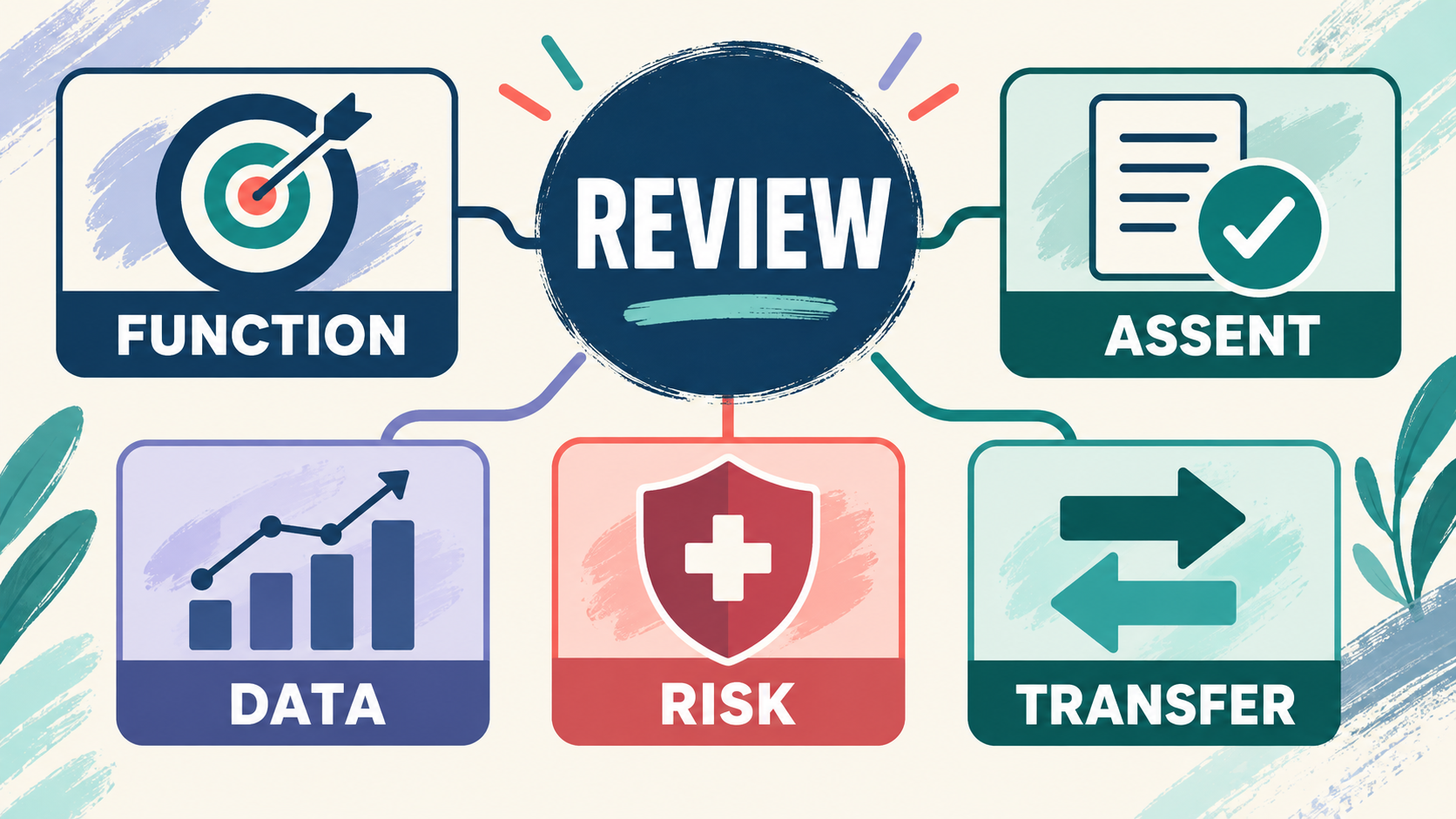
Instead of asking only whether a provider advertises “modern ABA,” review the actual program. A responsible conversation should make the following visible:
- Goals: Are targets connected to the learner’s communication, independence, participation, safety, preferences, and quality of life?
- Voice and consent: How are assent, refusal, choice, and feedback recognized and responded to?
- Assessment: What data and contextual information support the target and procedure?
- Alternatives: What reinforcement, prevention, communication, environmental, or skill-building options were considered before more intrusive procedures?
- Measurement: Are data collected consistently, interpreted cautiously, and reviewed with treatment integrity and generalization in mind?
- Supervision: Can the team explain who makes clinical decisions, how implementers are trained, and how concerns are escalated?
- Adaptation: Is the plan changed when the data, learner feedback, cultural context, or risk profile shows that the current approach is not a good fit?
These questions do not require a family or student to diagnose the quality of a service alone. They provide a starting point for a respectful conversation with the responsible professional and for reviewing the current plan, data, and consent process.
How Can You Review a Program Without Using Labels?
Imagine two fictional programs that both advertise “modern ABA.” Program A teaches a learner to request a break, tracks independent and prompted responses, asks which activities are meaningful, and probes whether the skill transfers to school. Program B uses the same label but primarily measures quiet hands, fast compliance, and sitting still; it does not explain how the learner can communicate refusal or how goals connect to daily participation.
The label does not resolve the difference. The reviewer should ask for the operational definitions, goals, data, procedure, assent process, supervision plan, and criteria for changing the intervention. The same logic applies when reading historical claims: look at what was actually done, to whom, under what safeguards, and with what outcomes. Avoid treating a decade or a brand name as a substitute for evidence.
A useful review note might say: “The plan targets functional requests and records independent, prompted, and missed opportunities. The team has not yet documented generalization outside the clinic. Ask the BCBA how transfer and learner feedback will be assessed.” That statement is more actionable than “This is new ABA” or “This is old ABA.”
What Are the BCBA Exam Clues?
On a BCBA-style question, do not choose an answer merely because it sounds modern. The current BCBA Test Content Outline points learners toward concepts such as socially significant goals, assessment, ethical and professional issues, behavior-change procedures, data, and supervision.
- “Which target is most socially significant?” Choose the goal that improves meaningful participation, communication, independence, safety, or quality of life rather than appearance alone.
- “What should be assessed before changing a procedure?” Review data, treatment integrity, context, client variables, and the function or purpose of the behavior.
- “Which response is most ethical?” Look for consent or assent, least-intrusive effective alternatives, risk review, competence, and client welfare.
- “What shows generalization?” The skill occurs with a new person, material, setting, or relevant routine—not only in the original teaching arrangement.
- “What does current practice require?” Use the current BACB materials and the facts of the stem, not an informal old/new slogan.
For additional scenario practice, the free BCBA mock exam is an independent study aid. It is not an official BACB product and does not replace the current TCO, Ethics Code, supervision, or professional judgment.
What Mistakes Should You Avoid?
- Assuming that “old ABA” and “new ABA” are official clinical categories with one universal cutoff date.
- Equating all structured teaching with old practice or all naturalistic teaching with new practice.
- Ignoring the history of harm because a current provider uses modern branding.
- Assuming that historical criticism proves every current behavior-analytic service is harmful.
- Judging a program without reviewing its goals, data, consent or assent process, supervision, and treatment-integrity checks.
- Confusing a reduction in visible behavior with an improvement in communication, autonomy, or quality of life.
Old ABA vs New ABA FAQ
Is “old ABA” an official BACB term? No. It is informal shorthand used in public and professional discussions. The BACB’s current Ethics Code and certification materials are the appropriate references for current professional expectations. Is modern ABA completely different from historical ABA?
There are meaningful changes in goals, safeguards, client voice, assessment, and attention to generalization, but there is no single boundary that makes the field entirely different on one date. Practice varies by provider, setting, client, and procedure.
Does new ABA never use structured teaching?: No. Structured teaching can be appropriate for some skills and learners. The question is whether the structure is functional, individualized, consented, measured, and balanced with opportunities to use the skill in meaningful contexts.
How can I tell whether an ABA program is respectful?: Ask how goals are selected, how communication and refusal are supported, how assent is monitored, how data and client feedback guide changes, how risks are reviewed, and who provides supervision. A label alone cannot answer those questions.
Sources and Date Check
This article was reviewed on September 29, 2026 against the BACB Ethics Code for Behavior Analysts, the BCBA sixth-edition Test Content Outline, and peer-reviewed historical and ethical discussions including Teaching the History of Applied Behavior Analysis and Clinical Informed Consent and ABA. The comparison labels are informal; verify current BACB materials and the actual program documents before making a practice judgment.
Take the Free BCBA Mock Exam
If you want a low-pressure way to check your recall, use the free practice resource below. Take the Free BCBA Mock Exam



