
Practice questions you can pause, answer, and review.
BCBA Study Videos
Start with one high-view 100-question walkthrough, then use the topic lessons when you need a clearer explanation before your next mock exam.
Free videos are samples and concept support. Full-length mock exams are still the place for timing, stamina, scoring, and repeated exam-style practice.
 BCBA 100 Practice Questions | Part 1 Pause before each answer, choose your response, and use the explanation to sharpen your BCBA exam reasoning.
 Featured Study Videos
Start with active question review
Use these videos to pause, answer, and review the reasoning behind common BCBA exam topics. Each lesson is designed to help you notice the terms, answer choices, or concepts that still need more practice.
BCBA 100 Practice Questions
Pause before each answer, choose your response, then compare it with the explanation.
Watch lesson
Section B: ABA Terms You Must Know
Review core vocabulary before moving into more complex exam scenarios.
Watch lesson
Section C: Mock Questions with Explanations
See how a missed question can become a clear study target.
Watch lessonWhen you are ready to test your pacing
Videos are useful for review. Full-length mocks are better when you need timing, stamina, scoring, and exam-style decision making.
Read Next
Turn a missed video question into focused review
If a video question exposes a weak concept, use the matching passage before your next timed mock.
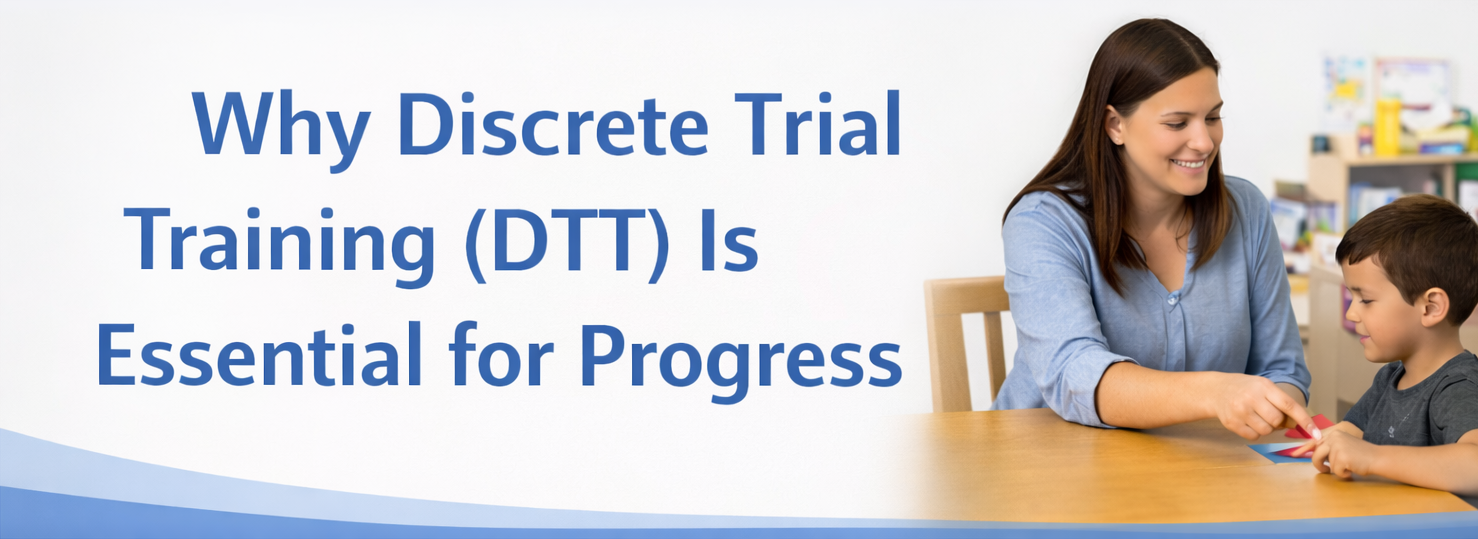
DTT ABA: Why It Is Essential for Skill Progress
DTT ABA is one of the most tested and most misunderstood teaching procedures on the BCBA exam.
Read passage
Operant Conditioning ABA Therapy: What It Is & How It Works
Operant conditioning is the backbone of Applied Behavior Analysis and a core BCBA exam topic.
Read passage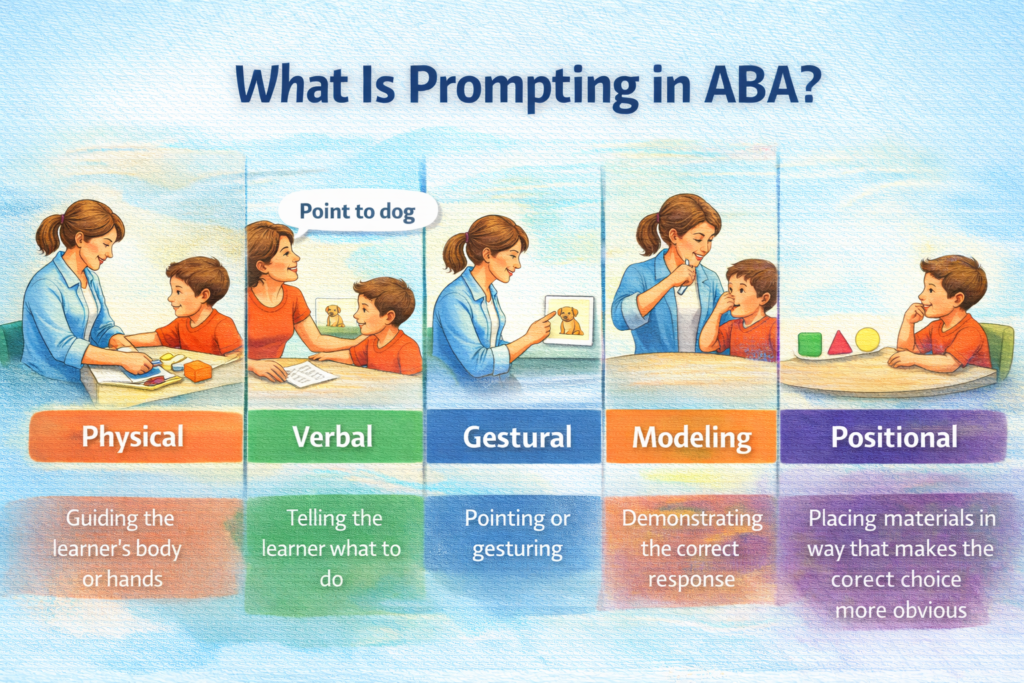
What Is Prompt Dependency in ABA?
Review prompt dependency, examples, and how to reduce it before returning to practice questions.
Read passageReady for full-length practice?
Free videos help you review. Full-length mocks help you practice timing, stamina, and exam-style decision making.