
The seven step model ABA ethics search usually points to a structured way to analyze a complex ethical case in behavior analysis. The model helps a BCBA slow down, identify the governing issue, consider the people affected, build proportionate plans, assess risk, act, and review the result. It is a decision framework—not a replacement for the current BACB Ethics Code, state law, employer policy, or qualified consultation.
Table of Contents
- What Is the Seven Step Model ABA Ethics Framework?
- Why Use a Seven-Step Model for Complex Ethics Cases?
- What Are the Seven Steps?
- How Does the Model Connect to the BACB Ethics Code?
- How Can You Apply the Model to a Case?
- What Mistakes Weaken an Ethics Analysis?
- How Should You Study the Model for the BCBA Exam?
- Frequently Asked Questions
- Sources for Further Study
- Take the Free BCBA Mock Exam
This distinction matters because a short scenario can contain several ethical standards, unequal power, client risk, and practical barriers at the same time. Memorizing one “correct” sentence is not enough. A strong analysis shows how the facts connect to the Code, why an action is proportionate, how the action will be documented, and what happens if the first plan does not resolve the concern.
What Is the Seven Step Model ABA Ethics Framework?
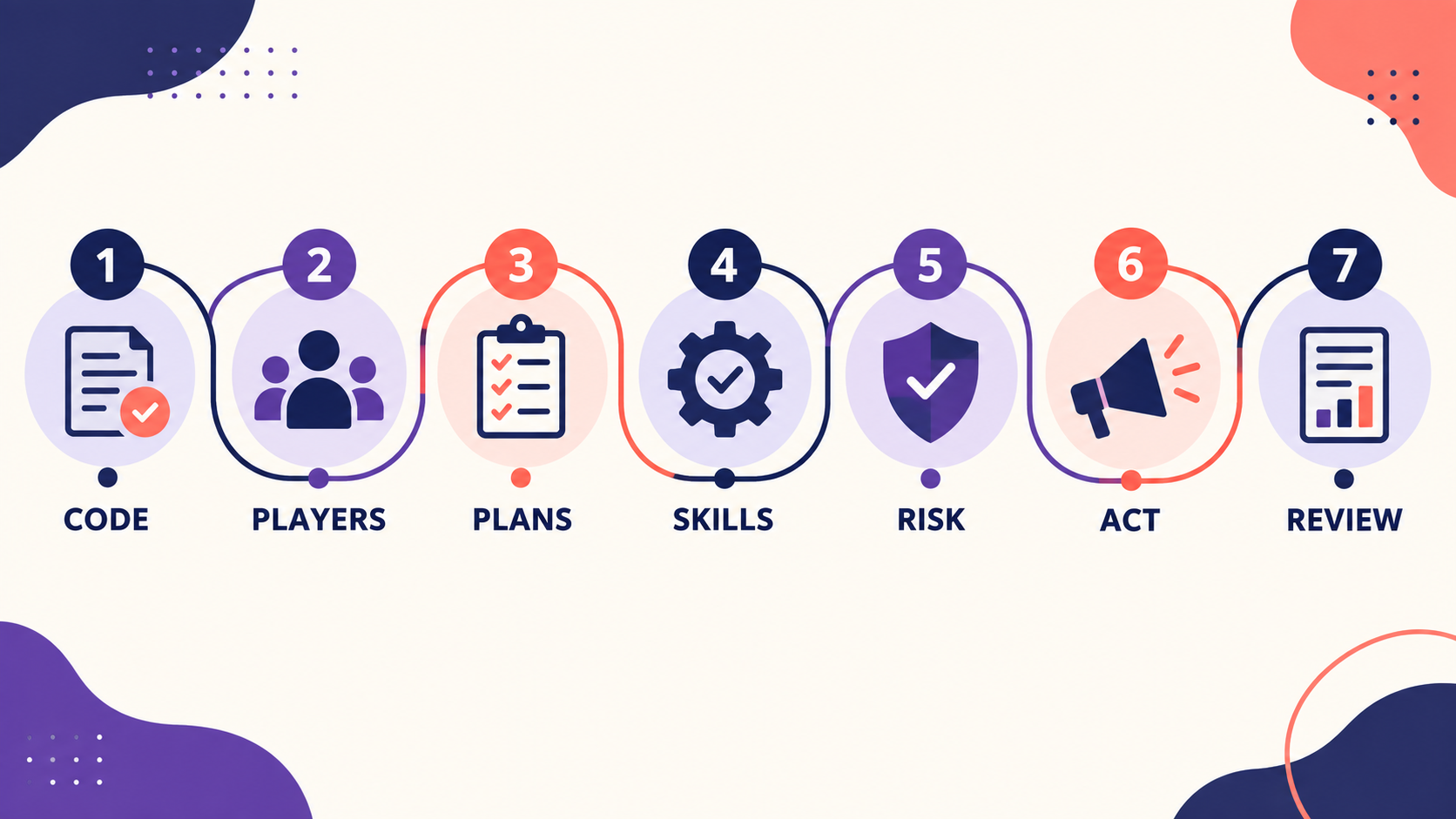
The seven-step model is commonly taught as a way to analyze complex cases for behavior analysts. Its value is procedural: it turns a vague feeling that “something is wrong” into a sequence of questions that can be answered, documented, and revisited. Different courses or editions may phrase the steps differently, so use the live BACB materials for current standards and terminology.
“Complex” does not simply mean dramatic. A case may be complex because several sections of the Code apply, multiple people have competing interests, the ethical concern is not immediately clear, the analyst lacks authority or skill, or the client could be harmed by delay or by an aggressive response. The model helps the analyst match the response to the actual risk instead of escalating automatically.
For BCBA study, remember the relationship between the framework and the Code: the Code supplies the professional requirements; the model organizes the reasoning process. A decision tree can help you find the relevant issue, but it cannot authorize an action that conflicts with a current BACB standard or applicable law.
Why Use a Seven-Step Model for Complex Ethics Cases?
Ethical reasoning can fail when the analyst jumps directly from a troubling fact to a preferred action. A structured model creates checkpoints that reduce that risk:
- It separates facts from assumptions. “The supervisor is unethical” is a conclusion. “The supervisor asked staff to record supervision that did not occur” is a fact pattern that can be checked.
- It identifies everyone affected. The client, family, supervisee, supervisor, employer, payer, and other professionals may experience different risks and responsibilities.
- It creates more than one plan. A direct conversation may be a reasonable first step in one case; immediate protection or outside reporting may be necessary in another.
- It makes follow-up visible. An ethical response is not complete merely because a difficult conversation happened. The analyst should examine whether the concern was resolved and whether the client is safer.
Structured decision-making is also teachable. Research on ethics education has examined decision trees and other tools that help students move beyond reciting rules toward making choices in context. For an exam question, that means you should be able to explain not only which standard is relevant, but also why the next action protects the client and fits the situation.
What Are the Seven Steps?
The table below is a plain-language paraphrase of the model often used in behavior-analytic ethics education. Treat it as a study map, not as official BACB wording.
| Step | Question to ask | Useful output |
|---|---|---|
| 1. Code | Is the incident covered by the current Ethics Code, and how complex is it? | Relevant standard names, facts still needed, and an initial complexity estimate |
| 2. Players | Who is affected, who has responsibility, and who has authority or useful information? | A stakeholder map that includes the client and relevant professionals |
| 3. Plans | What are the least-to-most escalated ways to address the concern? | Plan A, Plan B, and a clear trigger for moving to the next plan |
| 4. Skills | What communication, clinical, legal, cultural, or leadership skills and supports are needed? | A support plan: consultation, supervision, documentation, or referral |
| 5. Risk | What could happen if each plan is used, delayed, or ignored? | A proportional risk comparison that prioritizes client welfare |
| 6. Act | How will the chosen plan be carried out, communicated, and documented? | A dated action record, communication steps, and protective measures |
| 7. Review | Did the action resolve the concern, and what must happen next? | Follow-up data, revised plan, further consultation, or appropriate escalation |
The order is a prompt for disciplined thinking, not permission to delay urgent protection. If a client faces immediate danger, the analyst should take appropriate protective action and seek qualified help while documenting the facts. “Start at Step 1” never means “wait while harm continues.”
How Does the Model Connect to the BACB Ethics Code?
The current BACB Ethics Code hub is the correct place to verify the Code and any later revisions. The Code applies to BCBA and BCaBA applicants and certificants, and its standards should be read in context rather than as isolated flashcards.
When you use the model, map the scenario to the Code without pretending that one standard answers every question. For example, a documentation concern might involve integrity, client responsibility, supervision, records, or public statements depending on the facts. A multiple relationship may raise boundary, conflict, confidentiality, and power concerns at the same time. The relevant standard is determined by the actual conduct and role—not by the label a question writer gives the case.
Use the current Code to verify wording, scope, and definitions. If the case also involves state licensure, mandated reporting, payer rules, employment policy, or legal risk, the Ethics Code is not the only authority. A BCBA study article can teach a reasoning process, but it cannot give individualized legal or clinical advice.
How Can You Apply the Model to a Case?
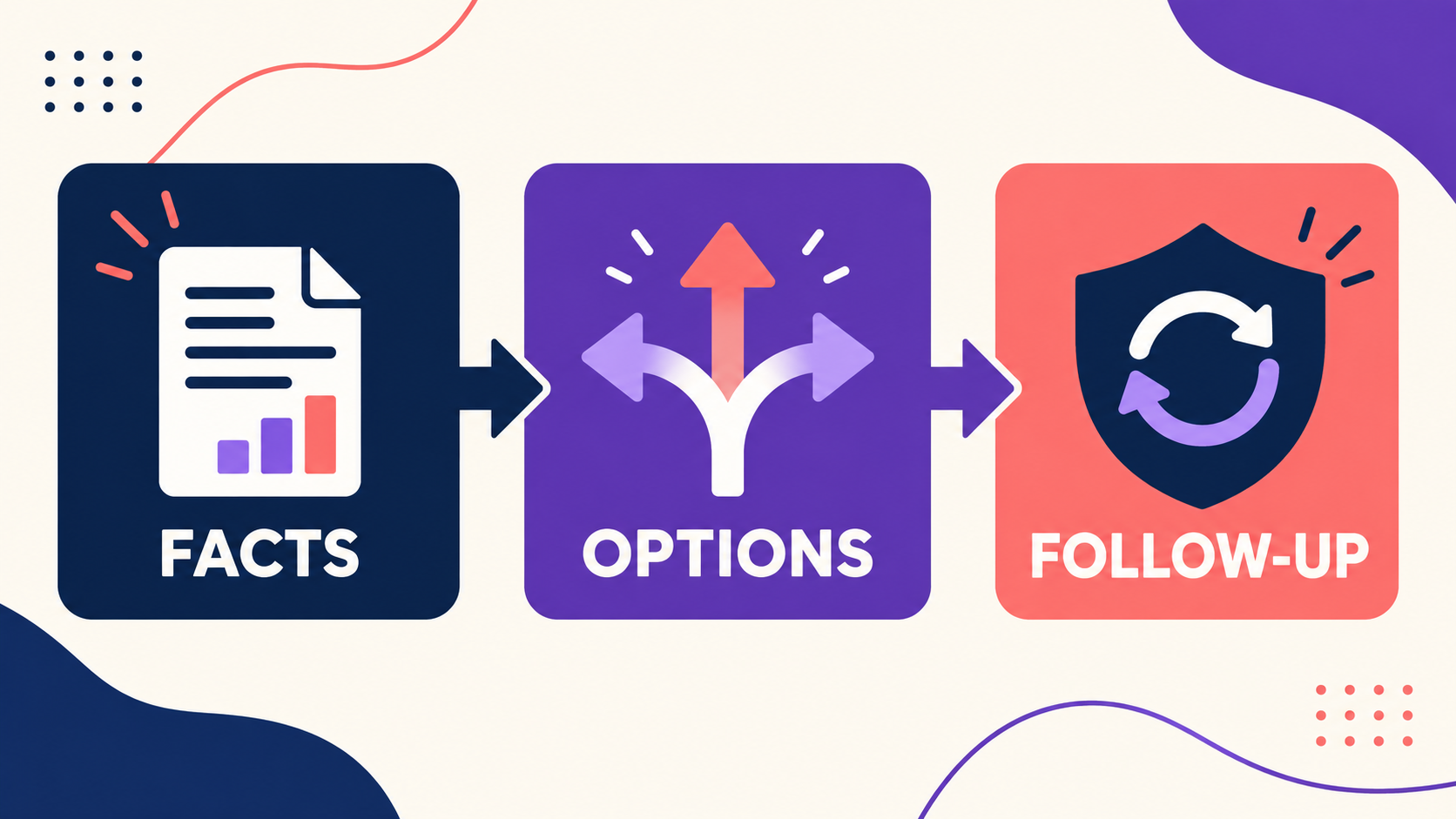
Consider a generic case: a supervisee notices that a required supervision activity was documented even though it did not occur. The supervisee is worried about retaliation and does not yet know whether the record will be used for certification, billing, or an internal review. Do not jump straight to “report the supervisor” or “ignore it.” Walk through the model:
- Code: Verify the relevant current standards and separate what was observed from what is assumed. Preserve the original record and identify missing facts.
- Players: Consider the client, supervisee, supervisor, employer, certification system, payer, and anyone responsible for the record. The supervisee’s safety and role limits matter too.
- Plans: Develop a direct clarification or correction plan when safe, a consultation plan, and a further escalation plan if the record is not corrected or risk increases.
- Skills: The supervisee may need help writing a factual message, protecting confidentiality, understanding reporting routes, and obtaining qualified supervision or consultation.
- Risk: Compare the risks of delay, direct confrontation, record alteration, retaliation, and escalation. Avoid deleting or changing a record simply to make the concern disappear.
- Act: Use the safest proportionate plan, communicate only with people who need the information, and document dates, facts, advice received, and actions taken.
- Review: Confirm whether the record was corrected, whether the client or certification process remains at risk, and whether additional action is required.
This example does not decide whether a violation occurred. Its purpose is to show the difference between a structured analysis and a slogan. In a real case, use current BACB instructions, organizational procedures, applicable law, and qualified professional advice. Protect confidential information when seeking consultation.
What Mistakes Weaken an Ethics Analysis?
- Using an old code: Historical study materials may use retired names or numbering. Verify the current BACB Code before treating a rule as current.
- Skipping the facts: A confident ethical conclusion based on rumor, incomplete documentation, or a one-sided story can create new harm.
- Listing people without responsibilities: A stakeholder list is useful only when you identify who is affected, who has authority, and who needs protection.
- Choosing escalation as the only plan: Some cases require immediate escalation; others can be resolved safely through clarification, correction, consultation, and documentation.
- Choosing the least disruptive plan automatically: “Keep the peace” is not a sufficient reason to tolerate ongoing risk or conceal a record.
- Confusing consultation with outsourcing responsibility: Ask for help, but continue to understand the facts, protect confidentiality, and act within your role.
- Stopping after the conversation: The final step is review. Check whether the concern actually changed and whether protective measures remain in place.
How Should You Study the Model for the BCBA Exam?
For a BCBA-style ethics question, use the model as a mental checklist:
- Find the concrete conduct, not just the emotional reaction in the scenario.
- Ask which current Code standard or professional responsibility is implicated.
- Identify the client and other people affected by the choice.
- Eliminate answers that ignore immediate safety, confidentiality, competence, or role limits.
- Prefer a proportionate, documented, client-protective next step over a vague or punitive reaction.
- Check whether the answer includes follow-up or a plan if the concern is not resolved.
Be careful with answer choices that sound ethical but skip the facts. “Immediately terminate services,” “tell everyone,” or “do nothing until you have proof” may each be wrong depending on the context. The best answer usually shows fact gathering, current-Code review, consultation when appropriate, proportionate action, protection from harm, and follow-up.
The BACB Test Content Outline and current Ethics Code should remain your primary study references. For additional scenario practice, the free BCBA mock exam can help you rehearse decision points under time pressure; it is a study resource, not official BACB content, legal advice, or a guarantee of certification.
Frequently Asked Questions
What is the seven-step model in ABA ethics?: It is a structured framework commonly used to analyze complex behavior-analytic ethics cases. In plain language, the steps are to check the Code, identify the players, develop plans, identify needed skills and supports, assess risk, act, and review the result.
Is the seven-step model part of the BACB Ethics Code?: The model is a teaching and decision-making framework, not a substitute for the official Code. The current BACB Ethics Code is the authority for applicable standards, scope, definitions, and revisions.
When should an ethics case be escalated?: Escalation depends on the facts, risk, role, and available safeguards. Immediate danger, ongoing client harm, concealment, retaliation, or an unresolved conflict may require faster and higher-level consultation or reporting. Do not use a generic timeline in place of current requirements and qualified advice.
Why are stakeholders called “players” in the model?: “Players” is a compact way to prompt the analyst to identify everyone affected or involved, including the client, family, supervisee, supervisor, employer, payer, and other professionals. The point is not to treat people as pieces on a board; it is to avoid overlooking responsibility, power, or risk.
What is the most important exam shortcut?: Do not select an answer solely because it sounds strict or polite. Match the action to the current Code, the facts, the client’s welfare, the analyst’s role, the risk, and the need for documentation and follow-up.
Sources for Further Study
- BACB Ethics Codes — current ethics-code hub and revision source.
- Ethics Code for Behavior Analysts — current BACB Code document.
- BACB Test Content Outlines — current examination-content resources.
- Going Beyond the Code: A Guide to Teaching Decision Trees — peer-reviewed ethics decision-making education research.
- Analyzing Ethics Questions from Behavior Analysts — publisher reference for guided ethics-case practice.
Take the Free BCBA Mock Exam
If you want a low-pressure way to check your recall, use the free practice resource below. Take the Free BCBA Mock Exam



