

What Is Cost-Based Analysis in Behavior Analysis?
When you design an intervention, you naturally weigh the effort required against the expected results. That is the heart of cost-based analysis in applied behavior analysis. It is a systematic method for comparing the resources invested in an intervention with the behavior change produced. For BCBA candidates, mastering this concept is essential for selecting effective and efficient treatments.
Table of Contents
- What Is Cost-Based Analysis in Behavior Analysis?
- Real-World ABA Examples of Cost-Based Analysis
- Why Cost-Based Analysis Matters for the BCBA Exam
- How to Apply Cost-Based Analysis: A Step-by-Step Checklist
- Final Thoughts: Making Cost-Based Analysis a Practice Habit
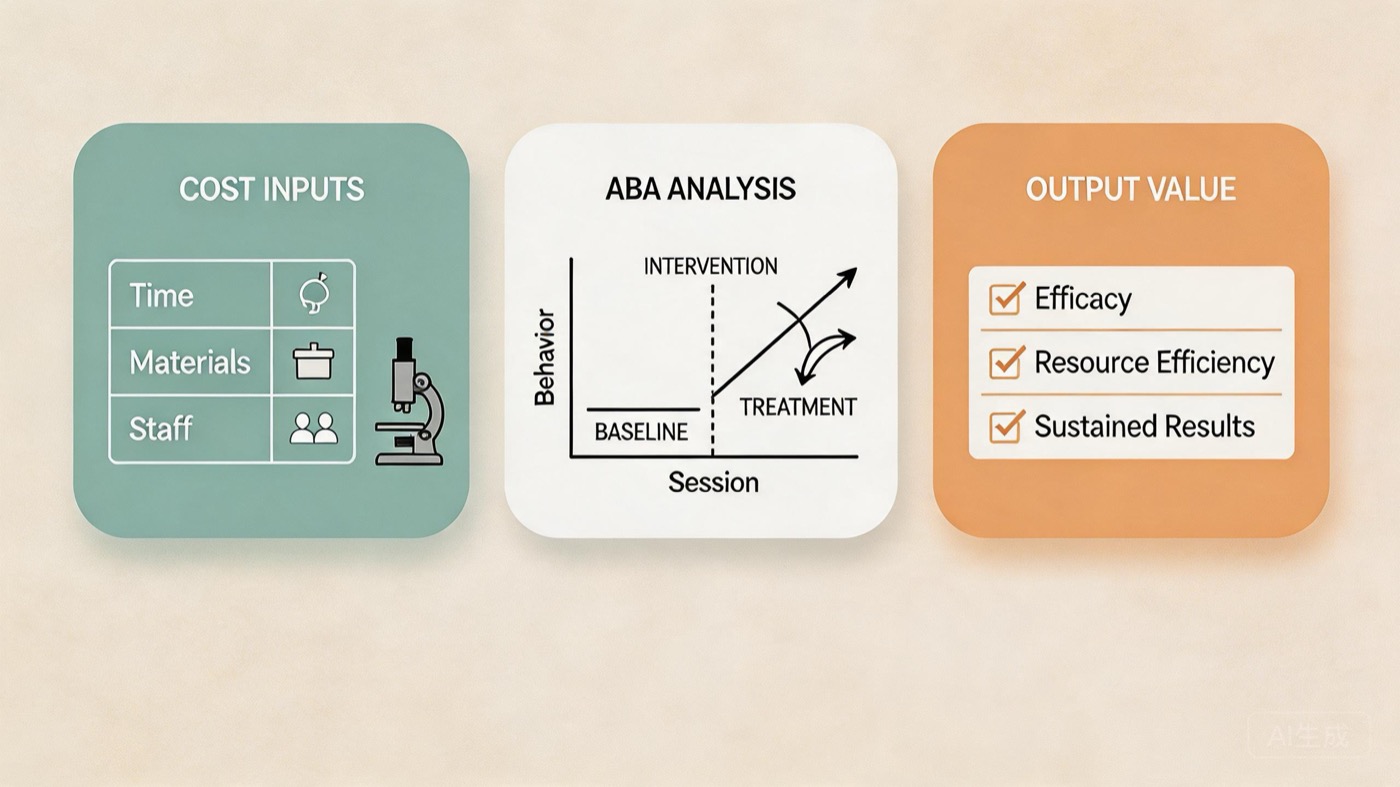
Cost-based analysis focuses on three main resources: time, money, and effort. Time includes hours spent on planning, implementation, and monitoring. Money covers materials, training, and supervision. Effort refers to the energy demanded of staff, caregivers, and the learner. The benefit is measured as meaningful behavior change—such as increased manding, reduced aggression, or improved academic engagement.
Cost vs. Benefit: The Core Idea
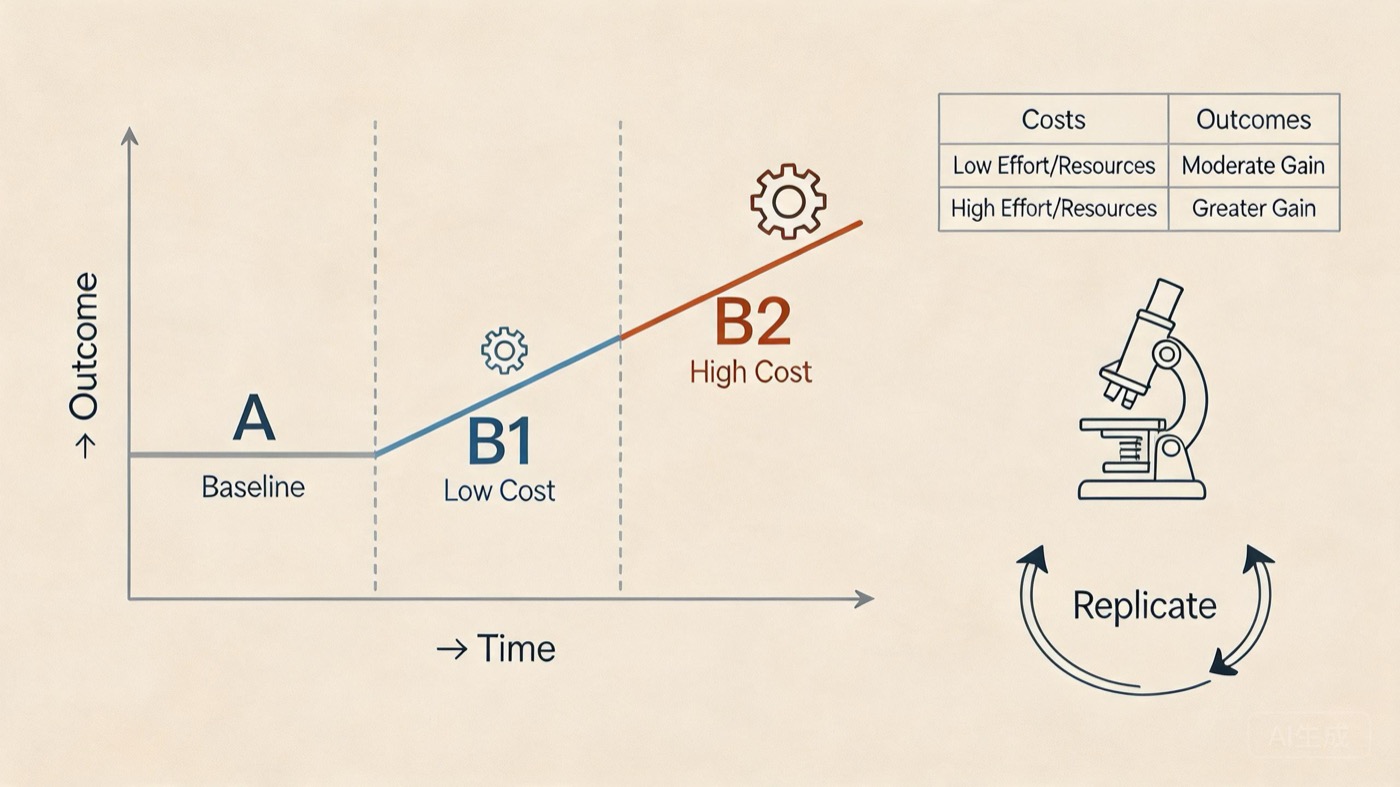
The central question is simple: Does the outcome justify the investment? If an intervention reduces elopement by 80% but requires two staff members to implement for six hours daily, the cost may be too high. Conversely, a token system that costs minimal time to set up and yields a 50% increase in on-task behavior might be highly efficient. Efficiency is the key metric—maximizing behavior change per unit of resource.
How It Differs from Preference Assessments
Many students confuse cost-based analysis with preference assessments. A preference assessment identifies which stimuli a learner prefers, helping you select reinforcers. Cost-based analysis, however, is about choosing between whole interventions—not just reinforcers. For example, you might compare a functional communication training (FCT) program requiring ongoing staff training versus a simpler differential reinforcement of alternative behavior (DRA) procedure. Cost-based analysis helps you decide which is more feasible given your setting.
Real-World ABA Examples of Cost-Based Analysis
Seeing cost-based analysis in action makes it easier to understand. Below are three examples drawn from common BCBA scenarios.
Example 1: Reducing Elopement in a Classroom
ABC: Antecedent = door left open, Behavior = elopement, Consequence = access to playground. Hypothesized function = escape from tasks. To reduce elopement, you consider two interventions: (A) blocking the door and providing a break card, or (B) a continuous supervision schedule. Option A requires teaching the learner to request breaks (initial time cost) but then reduces staff time long-term. Option B requires a staff member to shadow the learner constantly—high cost over days. Cost-based analysis shows Option A is more efficient because the initial investment pays off with sustained low effort.
Example 2: Increasing On-Task Behavior with a Token Economy
A token economy involves preparing tokens, a token board, and training staff on delivery. The cost includes printing tokens (money), teaching staff (time), and monitoring for integrity (ongoing effort). The benefit: the learner’s on-task behavior increases from 20% to 70% of intervals. Compare this to a simpler intervention like a timer that signals when to work. The timer costs almost nothing but may produce only a 10% increase. Cost-based analysis compares these ratios: token economy costs more but yields a larger gain, while the timer is cheaper but less effective. The BCBA must decide which is ethically justified.
Example 3: Using Prompts vs. Independent Responding
Suppose a learner is learning to tie shoes. A most-to-least prompting procedure requires significant time from staff to fade prompts gradually. The benefit is eventual independence. Alternatively, the learner could use a shoe-tying tool (cost: $10) that reduces the need for prompts. The tool might produce quicker independence but at the cost of the learner not learning the full sequence. Cost-based analysis helps you weigh the cost of prompt fading (staff time) against the benefit of generalized skill versus the cost of the tool (money and potential dependence on it).
Why Cost-Based Analysis Matters for the BCBA Exam
The BCBA exam includes questions on selecting and evaluating interventions. You may be asked to identify the most efficient intervention given resource constraints. Understanding cost-based analysis helps you avoid common pitfalls.
Common Traps on the Exam
One frequent trap is confusing cost-based analysis with risk-benefit analysis. Risk-benefit focuses on potential harms and side effects, while cost-based analysis focuses on resource investment versus outcome. Another trap is ignoring hidden costs, such as staff burnout from a demanding procedure or the time needed for data collection. Also, do not assume the cheapest option is always best; the benefit might be too small. Always consider social validity—if stakeholders find the intervention too costly, they may abandon it.
Practice Prompts to Test Yourself
To sharpen your skills, try these scenarios:
- Scenario 1: A functional analysis takes 5 hours to conduct but yields clear maintaining variables. Descriptive assessment takes 1 hour but only gives correlational data. Which is more cost-effective if you need to start intervention quickly? Answer: Descriptive assessment has lower time cost but may lead to inaccurate intervention, increasing later costs.
- Scenario 2: A token system costs $50 in materials and 2 hours of staff training. A self-monitoring checklist costs $5 and 30 minutes of training. Self-monitoring reduces disruptive behavior by 40%, token system by 80%. Which has a better cost-benefit ratio? Answer: Calculate cost per percentage point reduction.
How to Apply Cost-Based Analysis: A Step-by-Step Checklist
Use this checklist when evaluating interventions for the exam or in practice.
Step 1: Identify All Costs
- Staff time (planning, training, implementation, monitoring)
- Materials and ongoing expenses
- Opportunity cost (what else could be done with this time?)
- Social validity costs (buy-in from staff and family)
Step 2: Measure Benefits
- Magnitude of behavior change (e.g., percentage reduction)
- Generalization to other settings or behaviors
- Maintenance over time
Step 3: Compare Alternatives
- Calculate a simple ratio: benefit / cost (e.g., percentage gain per hour of staff time)
- Consider non-quantifiable factors like dignity and ethics
- Choose the intervention with the best ratio that meets ethical standards
For example, if Intervention A costs 10 hours and yields 50% reduction, and Intervention B costs 5 hours with 30% reduction, Intervention B gives 6% reduction per hour versus A’s 5% per hour. B is more efficient. However, if the goal requires a 50% reduction, B may be insufficient—so cost-benefit isn’t the only factor. Effectiveness thresholds must also be met.
Final Thoughts: Making Cost-Based Analysis a Practice Habit
Cost-based analysis is not just an exam topic—it is a daily tool for ethical, efficient practice. By systematically weighing costs and benefits, you act in the best interest of your clients and your team. As you study, practice with the examples above and look for opportunities to apply the checklist. For more guidance on intervention selection, check out our article on evidence-based practice in ABA.
Remember, the goal is not to choose the cheapest intervention but the one that provides the greatest meaningful benefit given available resources. With practice, cost-based analysis becomes second nature—and that will serve you well on the BCBA exam and beyond. For authoritative details on ethical decision-making, see the BACB Ethics Code.



