

Understanding stimulus control is fundamental to mastering applied behavior analysis and preparing for the BCBA exam. This concept explains how environmental cues influence our behavior patterns and decision-making processes. When a specific discriminative stimulus reliably predicts reinforcement availability, it gains control over our responses through learned associations.
Table of Contents
- Stimulus Control ABA: What Is Stimulus Control in ABA?
- Practical ABA Examples of Stimulus Control
- BCBA Exam Relevance and Key Concepts
- Common Implementation Traps and How to Avoid Them
- Establishing Effective Stimulus Control: Step-by-Step Guide
- Quick Checklist for Stimulus Control Implementation
- Relationship to Other ABA Concepts
- Final Summary and Key Takeaways
Stimulus Control ABA: What Is Stimulus Control in ABA?
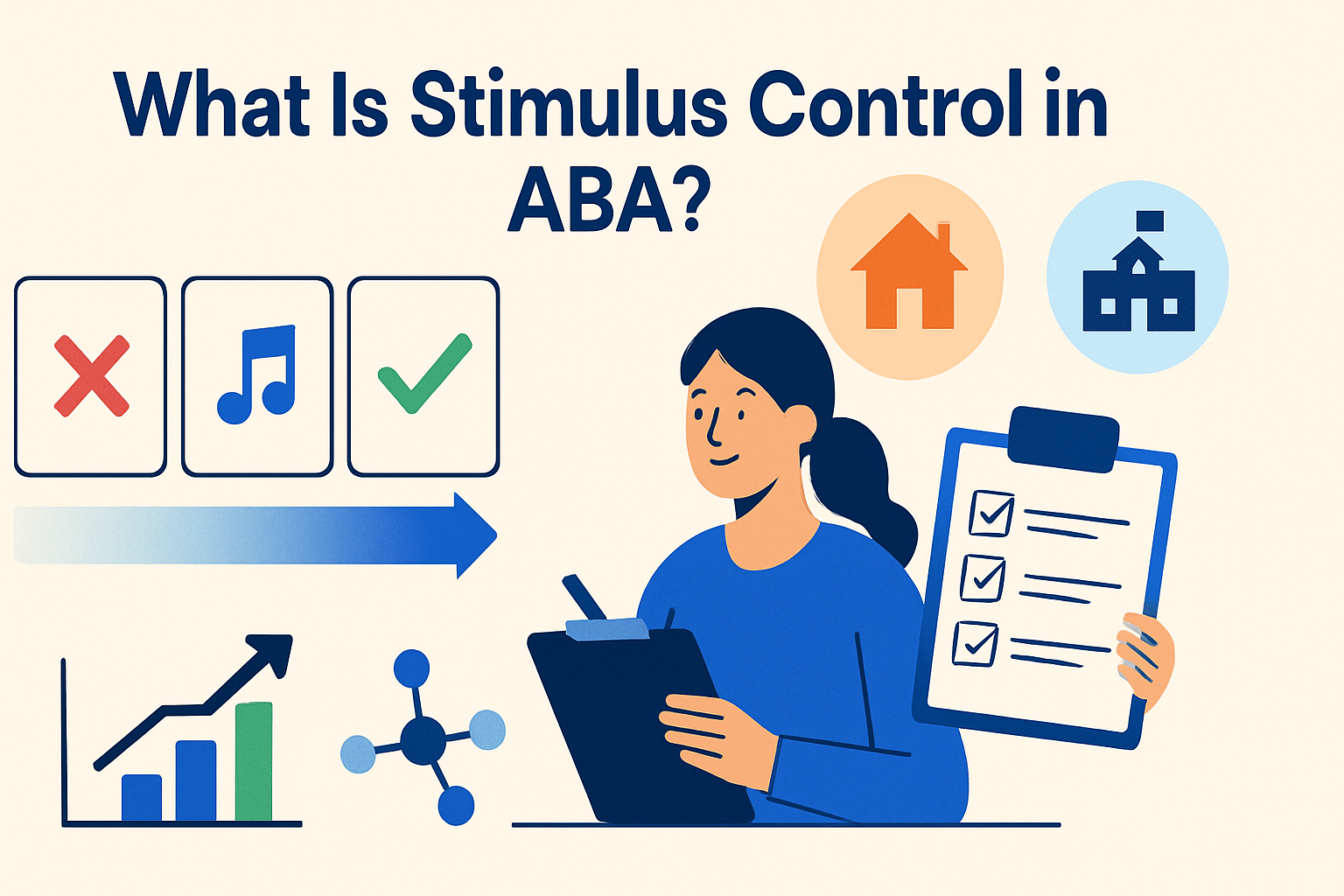
Stimulus control occurs when behavior is more likely to occur in the presence of certain environmental cues than in their absence. This fundamental principle helps behavior analysts understand why people behave differently in various contexts. The concept revolves around the relationship between antecedent stimuli and subsequent behavioral responses.
Three key elements define stimulus control:
- Discriminative stimulus (SD): Signals that reinforcement is available for a specific response
- S-delta (SΔ): Signals that reinforcement is NOT available for that response
- Response differentiation: The organism learns to respond differently based on which stimulus is present
Practical ABA Examples of Stimulus Control
Real-world applications make abstract concepts concrete. These examples illustrate how stimulus control operates in everyday situations and clinical settings.
Classroom Learning Environment
When a teacher raises their hand, students learn to stop talking and raise their hands too. The raised hand becomes a discriminative stimulus for quiet attention. Conversely, when the teacher is writing on the board with their back turned, this becomes an S-delta for the same response.
Traffic Signal System
A green traffic light serves as an SD for driving through the intersection. A red light functions as an S-delta for the same behavior. Drivers learn this discrimination through consistent consequences.
Clinical Therapy Setting
In discrete trial training, the therapist’s instruction “Touch blue” becomes an SD for selecting the blue object from an array. The absence of this instruction or the presence of different materials serves as S-deltas for that specific response.
BCBA Exam Relevance and Key Concepts
Stimulus control questions frequently appear on the BCBA exam, testing both conceptual understanding and practical application. The BACB Task List 6th Edition includes multiple items related to this topic under the “Interventions” and “Measurement” domains.
Essential exam concepts include:
- Stimulus discrimination training: The process of teaching differential responding
- Generalization gradients: How responses vary with stimulus similarity
- Multiple schedule arrangements: Alternating SD and SΔ conditions
- Errorless learning procedures: Minimizing errors during discrimination training
- Prompt fading techniques: Gradually transferring stimulus control
Common Implementation Traps and How to Avoid Them
Even experienced practitioners can encounter challenges when establishing stimulus control. Recognizing these common pitfalls helps prevent implementation errors.
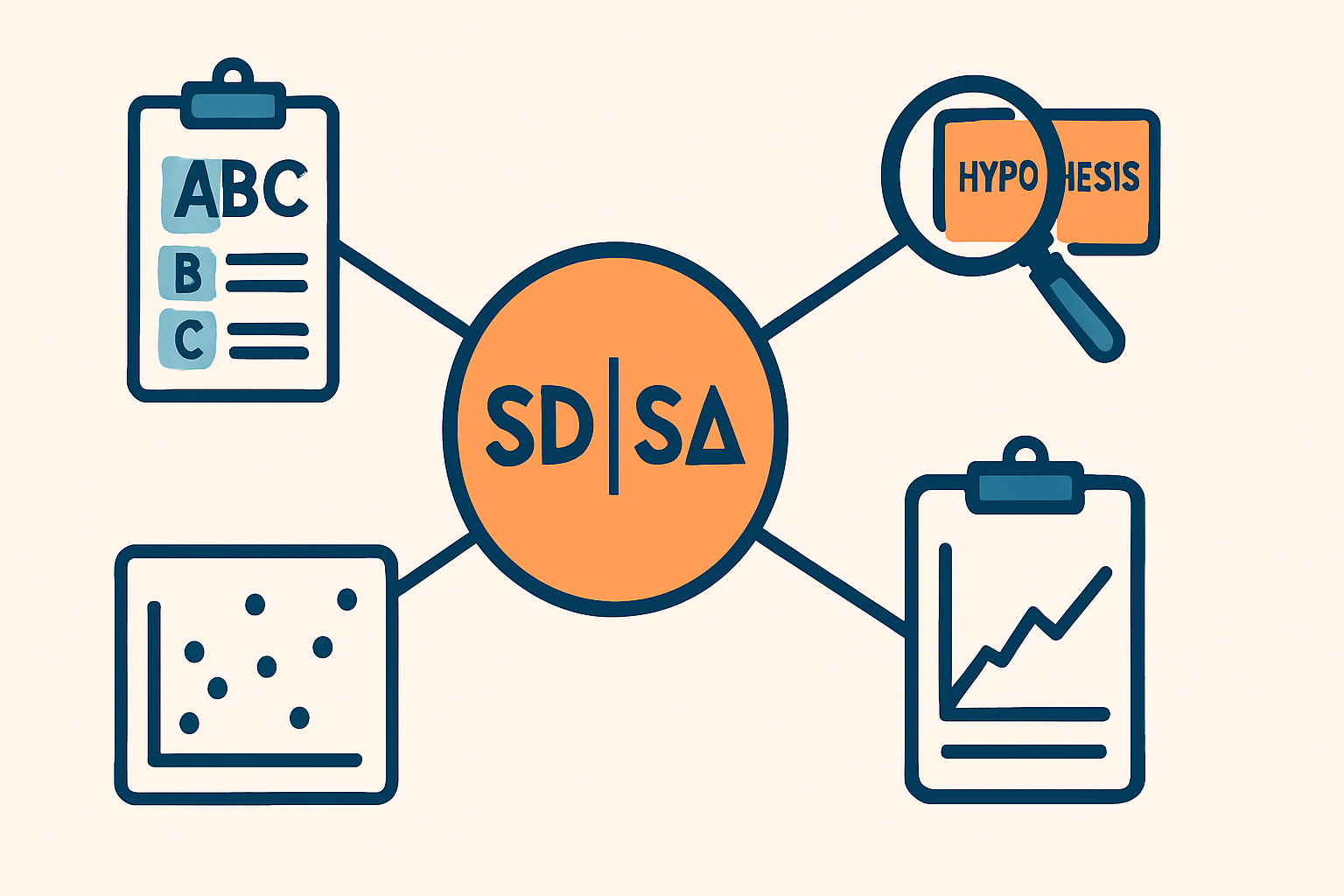
One frequent mistake involves inadequate discrimination training. When SD and SΔ are too similar, or when training doesn’t include enough exemplars, stimulus control fails to develop properly. Another common issue is prompt dependency, where the prompt rather than the natural SD controls the response.
- Poor stimulus salience: Make SDs distinctive and easily noticeable
- Insufficient exemplar training: Include multiple examples of both SD and SΔ
- Inconsistent reinforcement: Ensure reinforcement follows SD responses consistently
- Over-reliance on prompts: Use prompt fading schedules systematically
- Ignoring setting events: Consider motivational variables that affect stimulus control
Establishing Effective Stimulus Control: Step-by-Step Guide
Creating reliable stimulus control requires systematic implementation. Follow these steps to ensure successful discrimination training.
Step 1: Identify Target SD and SΔ
Clearly define the discriminative stimulus and the stimuli that should not occasion the response. Ensure they are physically distinct and relevant to the natural environment.
Step 2: Conduct Baseline Assessment
Measure responding in the presence of both SD and SΔ before intervention. This establishes a comparison point for evaluating treatment effects.
Step 3: Implement Discrimination Training
Use errorless learning procedures initially, then gradually introduce opportunities for errors as discrimination improves. Reinforce correct responses immediately and consistently.
Step 4: Program for Generalization
Teach discrimination across multiple stimulus exemplars, settings, and people. This ensures the skill transfers to natural environments beyond the training context.
Step 5: Monitor and Adjust
Continuously collect data on discrimination accuracy. If performance deteriorates, analyze potential competing variables and adjust your procedures accordingly.
Quick Checklist for Stimulus Control Implementation
Use this practical checklist to evaluate your stimulus control procedures. Each item addresses common implementation concerns.
- Verify SD and SΔ are physically distinct and relevant
- Ensure consistent reinforcement following SD responses
- Include multiple exemplars during training
- Systematically fade prompts using established schedules
- Program for response maintenance and generalization
- Monitor discrimination data regularly
- Consider motivational operations affecting stimulus control
- Evaluate social validity of target discriminations
Relationship to Other ABA Concepts
Stimulus control doesn’t exist in isolation. Understanding its connections to other behavioral principles enhances both clinical practice and exam performance.
Motivating operations interact with stimulus control by altering the effectiveness of reinforcement. A discriminative stimulus may only occasion responding when relevant establishing operations are present. Similarly, response generalization relates to how stimulus control affects similar behaviors beyond the specifically trained response.
The concept also connects to stimulus equivalence and relational frame theory. When stimulus control extends through derived relations, it demonstrates more complex behavioral processes. Understanding these relationships is crucial for comprehensive behavior analysis.
Final Summary and Key Takeaways
Mastering stimulus control is essential for effective behavior change interventions and BCBA exam success. This fundamental principle explains how environmental cues come to influence behavior through learned associations with reinforcement.
Remember these critical points: Effective stimulus control requires clear discrimination between SD and SΔ, consistent reinforcement following correct responses, and systematic programming for generalization. Avoid common traps like inadequate exemplar training and prompt dependency by following evidence-based procedures.
For further study, consult the BACB Ethics Code regarding appropriate implementation and the Journal of Applied Behavior Analysis for research on stimulus control procedures. Continue building your knowledge with our free BCBA practice questions to test your understanding of this and other essential concepts.
Complete BCBA Exam Prep
Turn this topic into exam-day practice
Practice concepts in context with five full-length 6th Edition mock exams, two bonus practice exams, a 6th Edition study guide, and key-term flashcards—all in one $120 USD package.
Get the $120 All-in-One Prep Pack
Review everything included on the product page before ordering. No pass guarantee is implied.



