
What Are the Functions of Behavior in ABA?
In applied behavior analysis, understanding why behaviors occur is more important than simply describing what they look like. The functions of behavior refer to the purpose or ‘why’ behind observable actions. This concept forms the foundation of ethical, effective intervention because treatment strategies must match the function to be successful.
Table of Contents
- What Are the Functions of Behavior in ABA?
- Analyzing Functions: From ABC Data to Hypothesis
- Functions of Behavior on the BCBA Exam
- Quick-Reference Checklist for Functional Analysis
- References
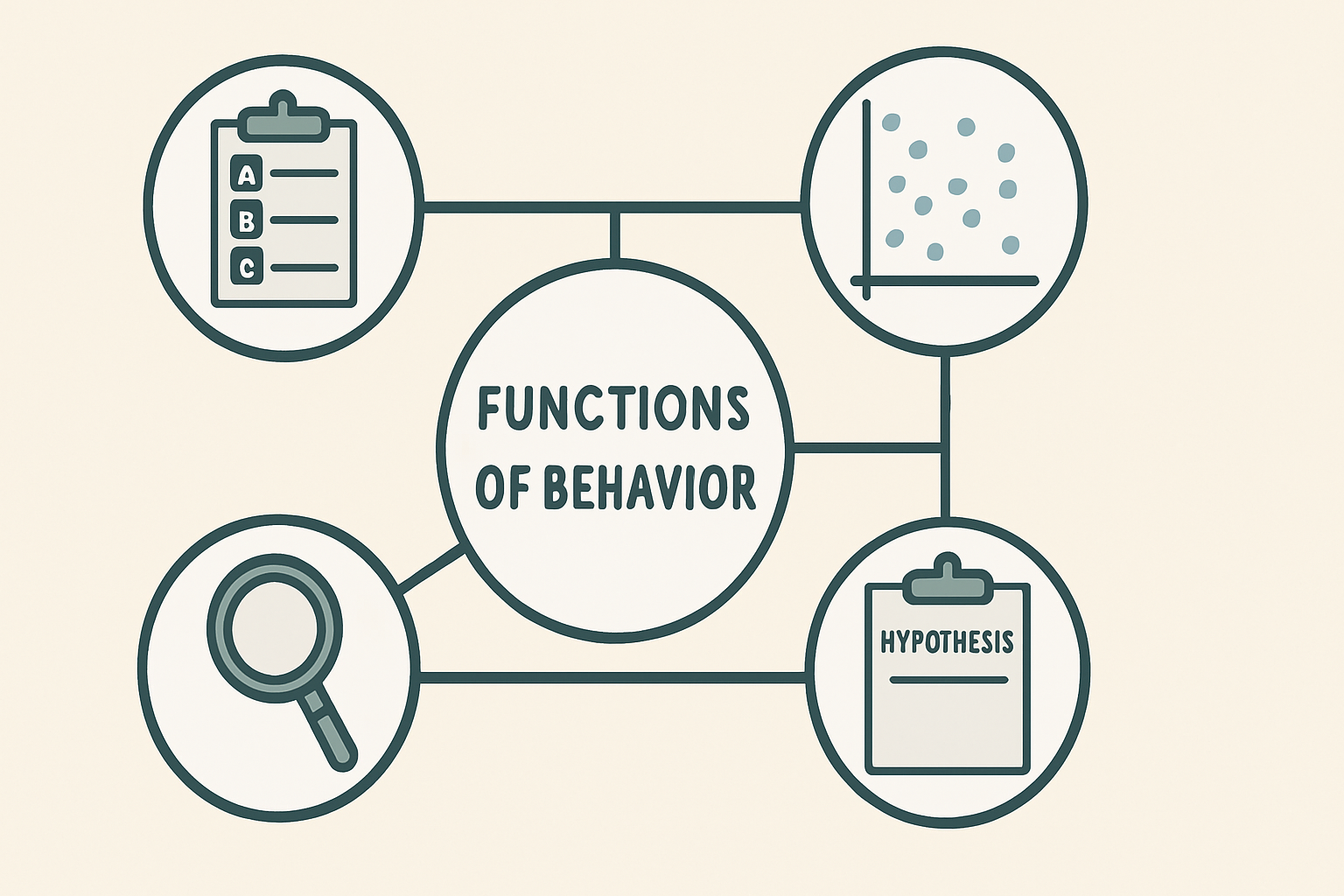
Behavior analysts identify four primary functions that maintain most human behavior. These functions explain what reinforcement the behavior produces for the individual.
The Four-Function Model: SEAT/EATS
The SEAT mnemonic helps remember the four core functions: Sensory/Automatic, Escape, Attention, and Tangible. Each function represents a different type of reinforcement maintaining the behavior.
- Sensory/Automatic: The behavior itself produces reinforcing sensory stimulation. This is automatic reinforcement that doesn’t require social mediation.
- Escape/Avoidance: Behavior removes or avoids an aversive stimulus. This represents negative reinforcement through termination of unpleasant conditions.
- Attention: Behavior produces social interaction, even if that attention is corrective or negative. This is social positive reinforcement.
- Tangible: Behavior results in access to preferred items, activities, or privileges. This represents positive reinforcement through material gain.
Why Function Trumps Topography
Two behaviors with identical topography can serve completely different functions. A child might scream during academic work to escape demands (escape function) but also scream when alone to produce auditory stimulation (sensory function).
This principle explains why cookie-cutter interventions often fail. Effective treatment requires functional assessment to identify the maintaining variables before designing interventions. Without understanding function, you risk reinforcing the very behavior you’re trying to reduce.
Analyzing Functions: From ABC Data to Hypothesis

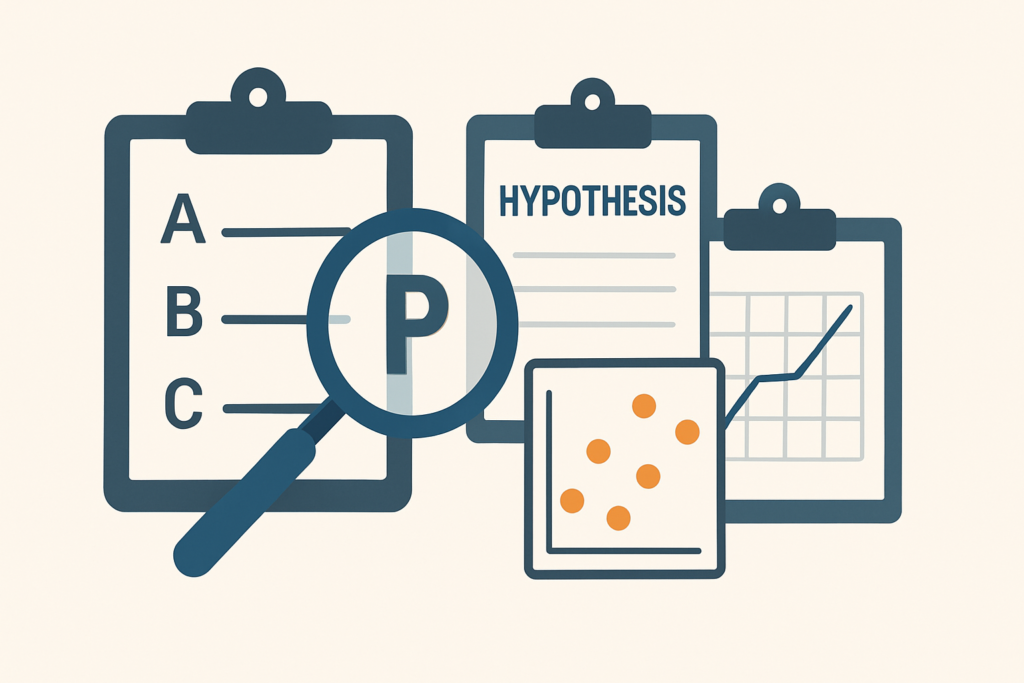
Moving from observation to hypothesis requires systematic ABC data collection. The antecedent sets the occasion, the behavior occurs, and the consequence determines whether it will happen again. Let’s examine practical examples.
Worked Example 1: Escape-Maintained Behavior
During math worksheet time (antecedent), Sam throws his pencil (behavior). The teacher removes the worksheet and tells him to take a break (consequence).
Functional hypothesis: The behavior is maintained by negative reinforcement through escape from academic demands. The consequence (task removal) reinforces pencil-throwing by terminating the aversive stimulus.
Worked Example 2: Attention-Maintained Behavior
During independent play (antecedent), Mia begins tapping her desk loudly (behavior). The teacher approaches and says, “Please stop tapping” (consequence).
Functional hypothesis: The behavior is maintained by social positive reinforcement in the form of adult attention. Even corrective attention can reinforce behavior when social interaction is the maintaining variable.
Worked Example 3: Tangible/Automatic Functions
Contrast these brief scenarios:
- Tangible function: When told “no” to a cookie (antecedent), Leo cries (behavior) and receives the cookie (consequence). Function: Access to preferred tangible items.
- Automatic function: During quiet reading (antecedent), Sarah rocks rhythmically (behavior) and continues rocking without external consequences. Function: Sensory stimulation produced by the behavior itself.
These examples highlight why descriptive assessment alone cannot determine function—experimental analysis is often needed, especially for automatic reinforcement.
Functions of Behavior on the BCBA Exam
The BCBA exam tests your ability to identify functions in vignettes and select appropriate assessment methods. This content appears throughout the BACB Task List, particularly in sections addressing assessment and intervention.
Common Exam Traps and Misconceptions
Candidates frequently stumble on these areas:
- Confusing negative reinforcement (escape/avoidance) with punishment (both involve aversive stimuli but have opposite effects on behavior)
- Assuming topography indicates function (identical behaviors can serve different functions)
- Overlooking automatic reinforcement when no social consequences follow behavior
- Misidentifying attention function when escape is actually maintaining the behavior
- Failing to consider multiple control where behavior serves more than one function
Sample Task List Items and Practice Prompts
Relevant Task List items include F-3 (conducting assessments), F-7 (identifying maintaining variables), and F-8 (designing function-based interventions). Try these exam-style questions:
1. When presented with a difficult puzzle (antecedent), a child pushes it off the table (behavior). The therapist says “Okay, let’s try something easier” and presents an easier task (consequence). What is the likely function?
2. During free play with peers (antecedent), a child takes toys from others (behavior). Peers protest and engage with the child (consequence). What function is demonstrated?
For more practice with functional analysis concepts, explore our guide on functional versus descriptive assessment.
Quick-Reference Checklist for Functional Analysis
Use this actionable checklist during assessment and exam preparation:
- Collect ABC data across multiple settings and observers
- Look for patterns in antecedent conditions that predict behavior
- Identify consistent consequences that follow the behavior
- Consider all four functions—don’t jump to conclusions
- When in doubt, conduct experimental analysis to test hypotheses
- Remember that behavior can have multiple functions across contexts
- Match intervention strategies to identified function
- Monitor treatment integrity and social validity
Mastering the functions of behavior transforms your clinical practice and exam performance. This understanding enables you to move beyond surface-level descriptions to identify the maintaining variables that truly explain why behaviors persist. For comprehensive exam preparation, consider our BCBA exam study framework that integrates these core concepts with practical application.


