

What is a clinical behavior analyst? The phrase usually describes a behavior analyst who works directly with clients, families, schools, healthcare teams, or organizations on meaningful behavior and skill goals. It is often a job title or practice description rather than a separate, nationally standardized credential. In the United States, the credential most commonly associated with independent behavior-analytic practice is the Board Certified Behavior Analyst (BCBA), but the exact title, scope, supervision, and legal requirements depend on the employer and state.
Table of Contents
- What Does Clinical Behavior Analyst Mean?
- Is a Clinical Behavior Analyst the Same as a BCBA?
- What Does a Clinical Behavior Analyst Do?
- Where Do Clinical Behavior Analysts Work?
- What Requirements Should You Check?
- What Should You Ask Before Applying?
- Clinical Behavior Analyst FAQ
- Key Takeaway
- Take the Free BCBA Mock Exam
That distinction matters for career planning. A job posting that says “clinical behavior analyst” may expect a BCBA, a BCaBA working under supervision, a related license, or a different combination of education and experience. Before applying, read the credential, licensure, supervision, documentation, and setting requirements—not just the title.
What Does Clinical Behavior Analyst Mean?
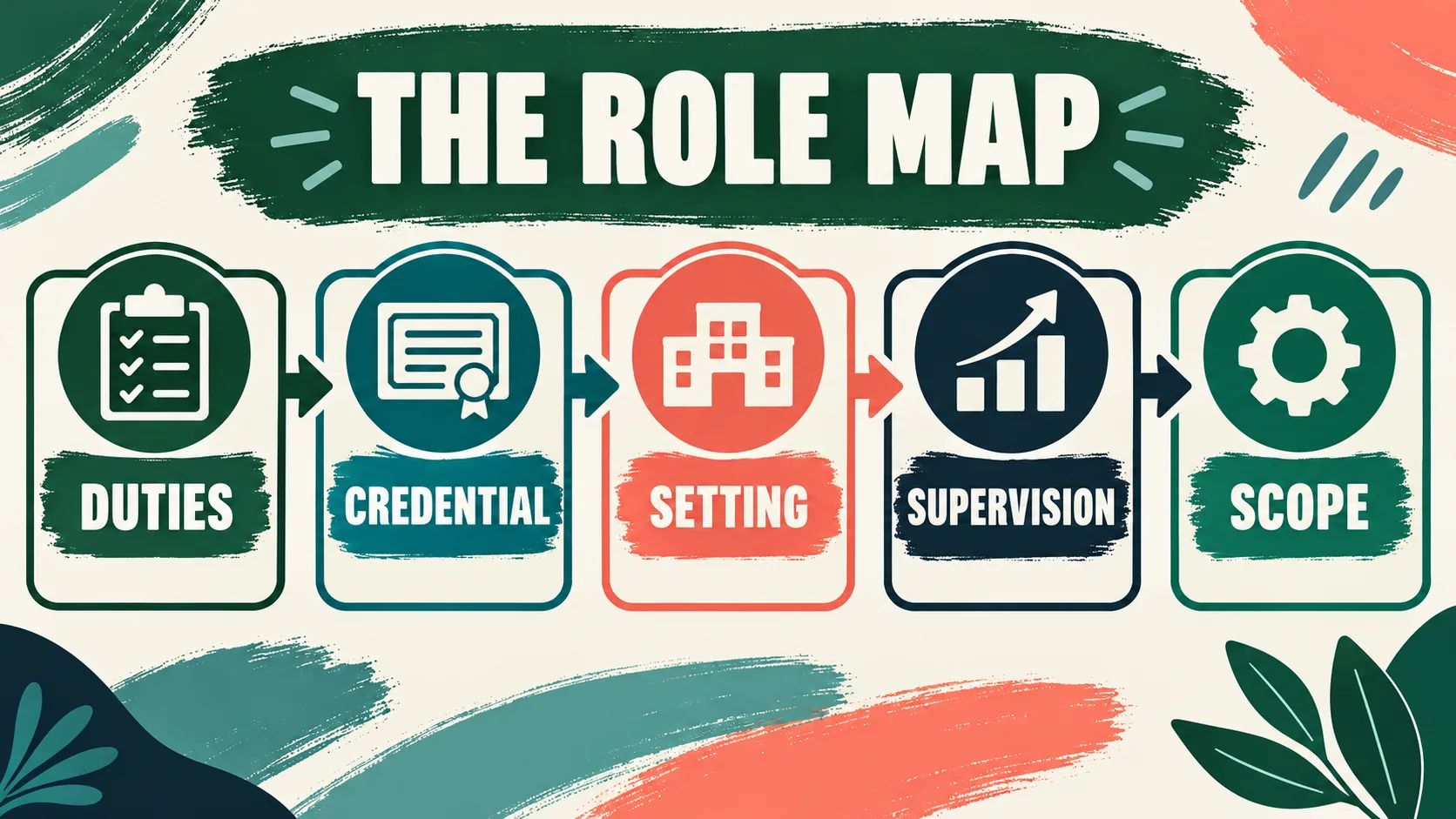
For the search query clinical behavior analyst, think of three layers: the work, the credential, and the law. The work involves assessment, measurement, teaching, environmental changes, caregiver or team collaboration, and review of outcomes. The credential may be BCBA, BCaBA, RBT, a state license, or another qualification. The law determines what a person may call themselves, what services they may provide, and whether a payer or employer accepts the role.
The phrase “clinical” usually signals direct service or clinical decision-making rather than purely academic research, operations, or administrative work. It does not automatically tell you whether the person can diagnose a medical condition, prescribe treatment, practice independently, or bill a particular insurance benefit. Those boundaries must be verified from the job description, credentialing body, employer policy, and applicable state rules.
Is a Clinical Behavior Analyst the Same as a BCBA?
Not necessarily. The Behavior Analyst Certification Board’s BCBA page describes the BCBA as a graduate-level behavior-analytic professional credential. A person may use “clinical behavior analyst” as their workplace title while holding a BCBA, but the title alone is not proof of certification.
| Term in a posting | What it may describe | What to verify |
|---|---|---|
| Clinical behavior analyst | A clinical role involving assessment, treatment planning, supervision, and direct collaboration. | Required credential, scope, caseload, and state rules. |
| BCBA | A professional certification with defined eligibility and maintenance requirements. | Current certification status and any state license or registration. |
| BCaBA | An undergraduate-level behavior-analytic certification that requires supervision. | Who provides supervision and what decisions the role may make. |
| Behavior technician or RBT | An implementation role performed under appropriate supervision. | Training, supervision, documentation, and escalation process. |
A job title can be broader or narrower than a credential. The BACB consumer resources are useful when checking certification-related information, but an employer and state licensing authority may impose additional requirements.
What Does a Clinical Behavior Analyst Do?
Day-to-day duties vary by setting, population, payer, and level of responsibility. A clinical behavior analyst may:
- Define a socially significant goal with the client, family, or team.
- Review records, interview stakeholders, observe behavior, and consider environmental or medical variables.
- Design an individualized plan with teaching procedures, measurement, and safety considerations.
- Train caregivers, teachers, technicians, or other team members to implement the plan consistently.
- Analyze data, communicate progress, and change or discontinue procedures that are ineffective or not appropriate.
- Document services, coordinate with other professionals, and follow ethical, privacy, payer, and employer requirements.
The work is more than running drills or recording numbers. Strong clinical practice connects data to a person’s communication, preferences, independence, access, safety, and quality of life. It also requires recognizing when a behavior may signal pain, overload, a communication barrier, or an unmet need that calls for a broader assessment.
Where Do Clinical Behavior Analysts Work?
Common settings include outpatient clinics, schools, early-intervention programs, homes, community services, residential programs, hospitals, and organizational or developmental-disability services. The setting changes the role. A school-based analyst may collaborate with an IEP team; a clinic-based analyst may coordinate with caregivers and technicians; a healthcare role may involve interdisciplinary documentation and payer authorization; a community role may prioritize functional routines and safety.
Ask what “clinical” means in the specific organization. Some employers use the title for a direct-care position. Others use it for a regional supervisor, case manager, or lead analyst. The same title can therefore represent different caseloads, travel expectations, documentation volume, supervision duties, and decision-making authority. A quick title check should identify:
- The credential named in the job posting and whether it must be active at hire.
- The clients, settings, and outcomes included in the caseload.
- The decisions the role may make independently and the decisions requiring supervision.
- The license, payer enrollment, or registration needed in that state.
What Requirements Should You Check?
Start with the official credential and state requirements. The BACB licensure information explains the relationship between certification and state regulation, but licensure rules are jurisdiction-specific. The U.S. Bureau of Labor Statistics occupational information can provide general career context for related behavioral-health roles; it should not be treated as a substitute for a behavior-analytic credential rule. Before accepting a role, confirm:
- Whether BCBA, BCaBA, RBT, a state license, or another credential is mandatory.
- Whether the employer requires a specific degree, coursework, fieldwork, or exam status.
- Who supervises the role and how supervision is documented.
- Which population, age range, settings, and clinical goals are involved.
- How caseload, travel, cancellations, indirect work, and documentation time are handled.
- What payer, privacy, safety, ethics, and incident-reporting policies apply.
For a credentialed role, confirm status through the relevant official registry and ask the employer which state agency governs practice. A certification can be current while a particular job still requires a separate license, registration, background check, or payer enrollment.
What Should You Ask Before Applying?
Use the interview to understand the actual work:
- What does the organization mean by “clinical behavior analyst”?
- What credential and license must be active on the start date?
- How many clients are assigned, and how much time is protected for indirect work?
- What supervision, peer review, and clinical escalation systems are available?
- How are client goals, assent, communication, and family preferences included?
- What training is provided for crisis response, documentation, and interdisciplinary collaboration?
If you are preparing for BCBA certification or reviewing professional responsibilities, our free BCBA mock exam can be used as a study resource. It does not replace the current BACB handbook, supervised fieldwork, or state-specific legal guidance.
Clinical Behavior Analyst FAQ
Is clinical behavior analyst an official certification?: Usually it is a job title or role description, not a separate universal credential. Check whether the posting requires BCBA certification, another credential, a state license, or a combination.
Can a BCaBA be called a clinical behavior analyst?: An employer may use titles differently, but a BCaBA role has defined supervision and scope requirements. Read the job duties and confirm who supervises the work.
Does a clinical behavior analyst diagnose autism?: The title alone does not establish authority to diagnose a medical or developmental condition. Diagnosis and scope depend on professional training, licensure, law, and the role of the interdisciplinary team.
What is the difference between clinical and research behavior analysis?: Clinical work centers on individualized services and outcomes for clients or teams. Research work may focus on generating generalizable knowledge. A professional can work in one area or combine both, but the responsibilities and evidence standards differ.
Key Takeaway
“Clinical behavior analyst” usually describes what someone does, not a standalone credential. To evaluate a role, separate the job title from BCBA or BCaBA certification, state licensure, supervision, setting, caseload, and actual clinical duties. That approach gives career seekers a clearer picture of the work and helps clients know which qualifications to verify.
Take the Free BCBA Mock Exam
When you are ready to apply the idea, use the free practice resource below for additional feedback. Take the Free BCBA Mock Exam



