
Stimulus Generalization examples: What is Stimulus Generalization? A Core ABA Principle
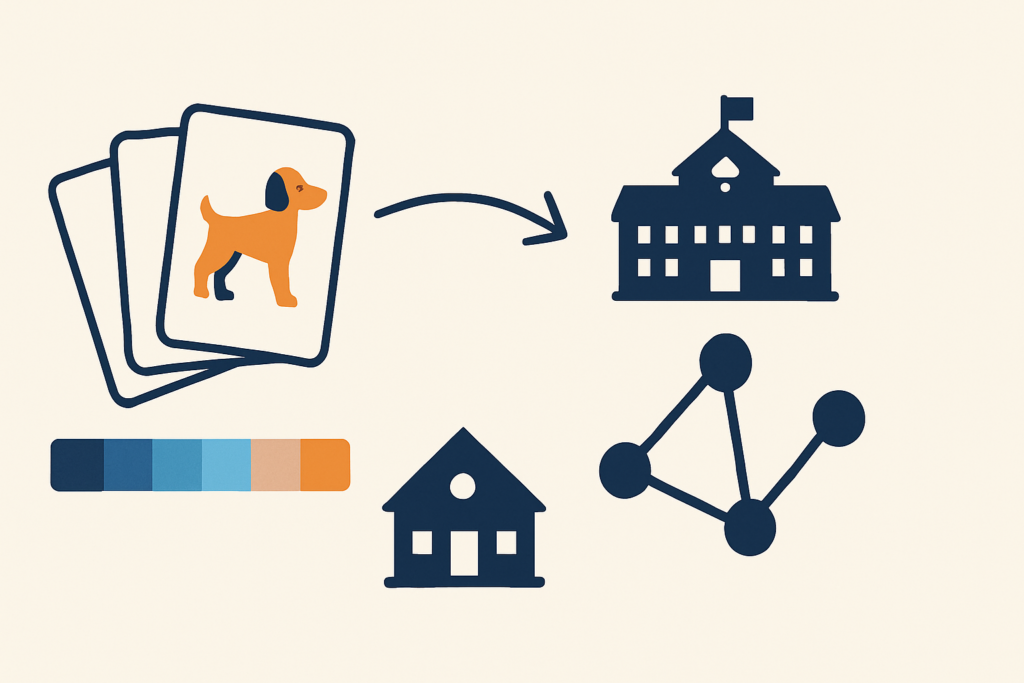
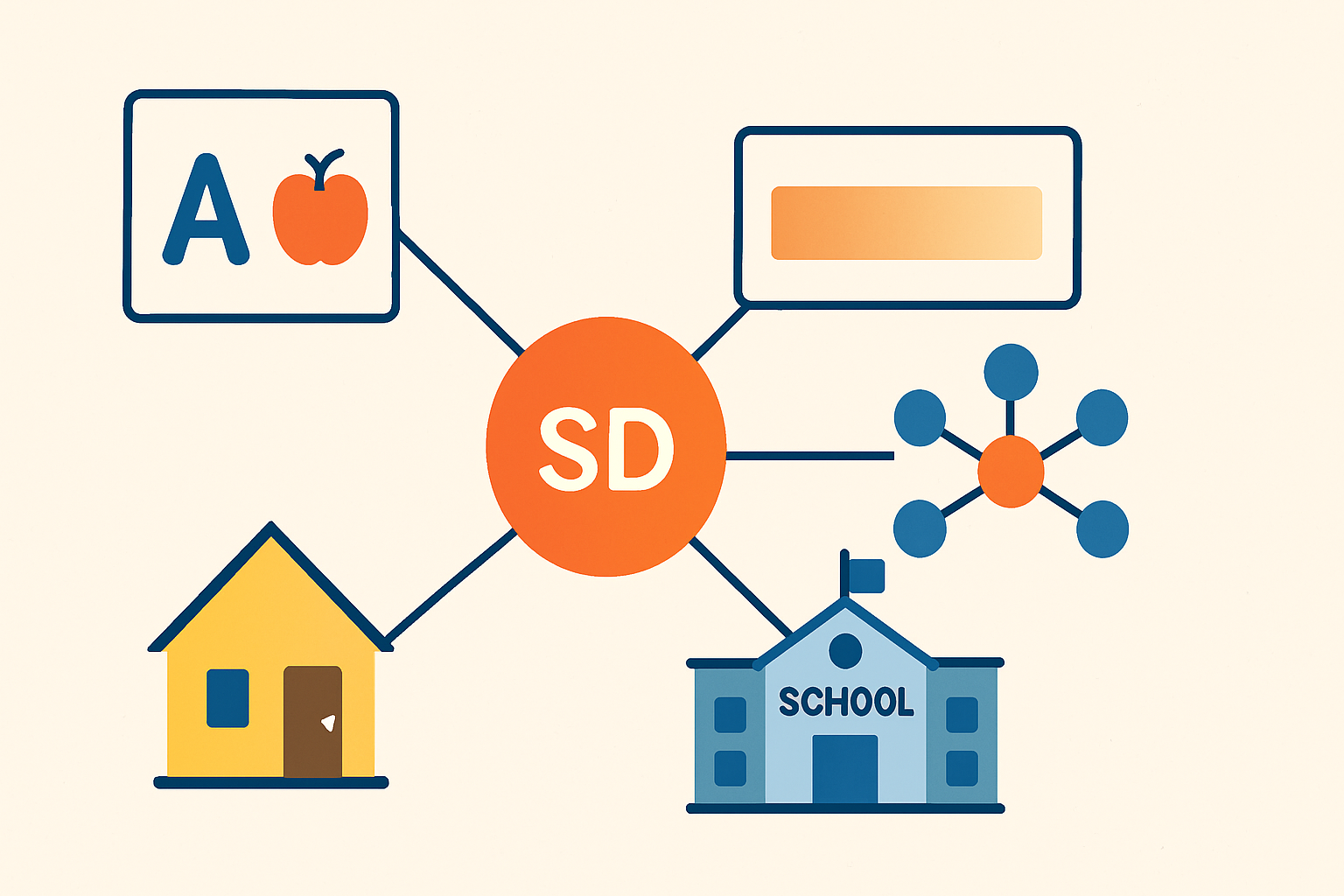
Stimulus generalization occurs when a behavior learned in the presence of one specific discriminative stimulus (SD) begins to occur in the presence of other, similar stimuli. This fundamental concept demonstrates how learning transfers across related environmental conditions.
Table of Contents
- Stimulus Generalization examples: What is Stimulus Generalization? A Core ABA Principle
- Identifying Real-World and Clinical Examples
- Exam Focus: How the BCBA Test Assesses This Concept
- Quick-Reference Checklist and Summary
- References
The mechanism involves the formation of a stimulus class—a group of stimuli that share common features and evoke the same response. When generalization happens, the learner responds to novel stimuli as if they were the original teaching stimulus.
The Formal Definition and Key Mechanism
Technically, stimulus generalization refers to the occurrence of a behavior in the presence of stimuli that physically resemble the original SD. The more similar the new stimulus is to the training stimulus, the stronger the generalization effect.
This process is measured along a generalization gradient, where responses decrease as stimuli become less similar to the original SD. Effective programming aims to create broad generalization while maintaining appropriate discrimination.
Stimulus Generalization vs. Response Generalization
These two concepts are frequently confused on exams. Here’s the critical distinction:
- Stimulus generalization: The SAME behavior occurs to DIFFERENT but similar stimuli
- Response generalization: DIFFERENT but functionally similar behaviors occur to the SAME stimulus
For example, if a child learns to say ‘hello’ to their teacher and then says ‘hello’ to other adults, that’s stimulus generalization. If they learn to say ‘hello’ and then also wave or smile as greetings, that’s response generalization.
Identifying Real-World and Clinical Examples
Understanding stimulus generalization requires moving from theory to practical application. These examples demonstrate how the concept manifests in both everyday life and clinical settings.
Example 1: Greeting Across Different People
A child learns to say ‘Hi’ when their mother says ‘Say hello’ during therapy sessions. The mother’s verbal cue serves as the original discriminative stimulus. After successful training, the child begins saying ‘Hi’ when their father says ‘Good morning,’ when their grandmother waves, or when their teacher says ‘Hello there.’
The behavior (saying ‘Hi’) remains essentially the same, but the antecedent stimuli have expanded to include various people giving greeting cues. This demonstrates generalization across a stimulus class of social greeting prompts.
Example 2: Manding for a Drink in New Settings
A learner masters requesting ‘water’ using their communication device when their blue cup is present in the therapy room. The blue cup serves as the initial SD. Later, the learner requests ‘water’ when they see a red cup in the kitchen, a water bottle at the park, or a glass on the dinner table.
The generalization occurs across different liquid containers in various environments. The learner has formed a stimulus class of ‘things that hold water’ and responds appropriately to novel exemplars within that class.
Example 3: Discriminative Stimulus Fading into Generalization
Effective teaching strategies intentionally program for stimulus generalization. When teaching color identification, using multiple exemplars—many different red objects like apples, fire trucks, and stop signs—helps the learner form a broader concept of ‘redness.’
This approach prevents overselective stimulus control and promotes responding to the relevant feature (color) rather than irrelevant features (shape, size, or texture). The result is robust generalization to novel red stimuli.
Exam Focus: How the BCBA Test Assesses This Concept
The BCBA exam frequently tests your ability to distinguish stimulus generalization from related concepts. Understanding common question formats and traps is essential for exam success.
Common Question Formats and Wording
Exam questions typically appear in several predictable formats:
- ‘Which of the following is an example of stimulus generalization?’
- ‘This scenario demonstrates…’
- ‘The behavior is occurring due to…’
- ‘What type of generalization is illustrated?’
These questions often present brief scenarios and ask you to identify the underlying principle. The key is to analyze whether the stimulus changed while the behavior remained consistent.
Frequent Traps and How to Avoid Them
Several common traps can lead to incorrect answers:
- Confusing with response generalization: Remember—stimulus generalization involves same behavior, different stimuli
- Selecting discrimination examples: Discrimination is the opposite—responding differently to different stimuli
- Focusing on behavior changes: If the behavior itself varies, it’s likely response generalization
- Overlooking stimulus similarity: Generalization requires some physical or functional similarity between stimuli
When analyzing a scenario, ask yourself: ‘What changed—the stimulus or the response?’ This simple question often reveals the correct answer.
Quick-Reference Checklist and Summary
Use this checklist to quickly identify stimulus generalization in exam scenarios or clinical observations.
Stimulus Generalization Checklist
- The original behavior was established under specific stimulus conditions
- The same behavior occurs in new situations
- The antecedent stimulus is different but shares features with the original SD
- The topography of the behavior remains essentially unchanged
- The behavior serves the same function across different stimuli
This checklist helps you systematically analyze whether you’re observing true stimulus generalization or a different phenomenon.
Key Takeaways for Your Study Notes
Stimulus generalization represents a desirable outcome of effective programming, allowing skills to transfer to novel but relevant situations. It differs fundamentally from response generalization, where the behavior varies while the stimulus remains constant.
To promote stimulus generalization in practice, use multiple exemplars, vary teaching settings, and program common stimuli. For exam preparation, focus on distinguishing stimulus changes from response changes. Understanding this concept connects to broader topics like stimulus control and generalization programming.
For further study of related concepts, explore our guide on stimulus vs response generalization or review the BACB’s official resources on generalization procedures.


