

task analysis ABA: What is Task Analysis in Applied Behavior Analysis?
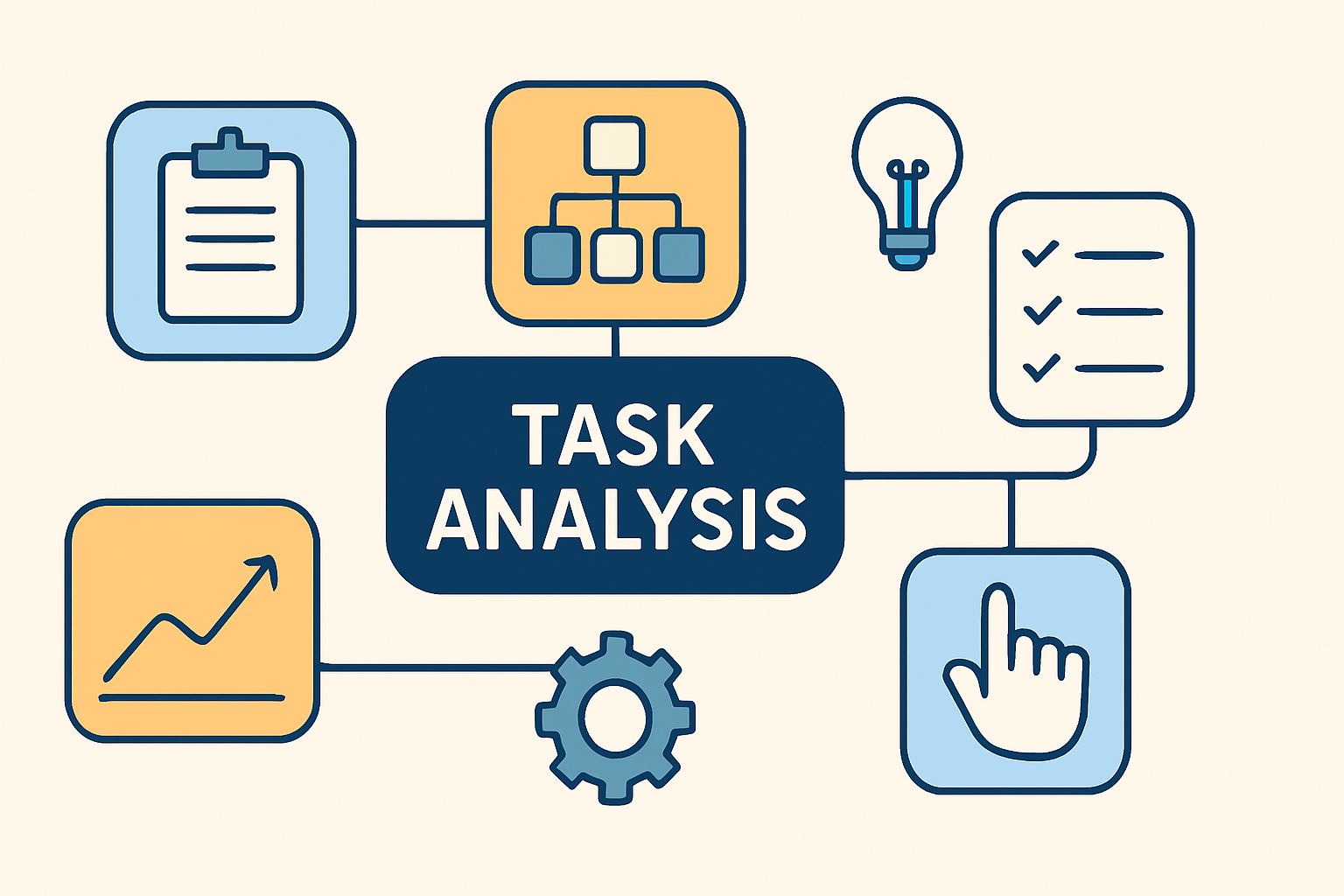
Task analysis is a fundamental procedure in applied behavior analysis that breaks complex skills into smaller, teachable components. This systematic approach allows practitioners to teach multi-step behaviors effectively by focusing on one manageable piece at a time.
Table of Contents
- task analysis ABA: What is Task Analysis in Applied Behavior Analysis?
- Conducting a Task Analysis: A Step-by-Step Procedure
- Task Analysis in Action: Worked ABA Examples
- Task Analysis on the BCBA Exam: Common Traps and Tips
- Quick-Reference Implementation Checklist
- Summary and Next Steps for Mastery
Formal Definition and Key Components
The textbook definition describes task analysis as the process of decomposing a complex skill into discrete, sequential steps that can be taught individually. Each step must be observable and measurable, allowing for precise data collection and intervention planning.
Key components include the analyst’s expertise in identifying logical sequences, assessment of client capabilities, and consideration of environmental variables that influence performance.
When and Why to Use a Task Analysis
Task analysis is particularly valuable for teaching daily living skills like dressing, grooming, and meal preparation. It’s also essential for vocational tasks, social routines, and academic sequences that require multiple coordinated actions.
Consider using task analysis when:
- The target skill involves sequential steps that build upon each other
- The client needs systematic instruction to master complex behaviors
- You need to identify specific breakdown points in skill performance
- Teaching requires gradual shaping toward complete mastery
Conducting a Task Analysis: A Step-by-Step Procedure
Effective task analysis follows a structured process that ensures teachable components and logical progression. This systematic approach translates directly to exam scenarios and clinical practice.
Step 1: Identify and Define the Target Skill
Begin with a clear operational definition of the terminal behavior. Ensure the skill represents a meaningful behavioral chain rather than isolated responses. Consider whether the skill is developmentally appropriate and socially significant for the individual.
Step 2: Break Down the Skill into Sequential Steps
Use multiple methods to identify component steps: observe a competent performer, consult with experts, or perform the task yourself while documenting each action. Each step should be:
- Discrete and observable
- Arranged in logical sequence
- Appropriate for the learner’s current repertoire
- Measurable for data collection
Step 3: Select and Implement a Chaining Procedure
Choose a chaining method based on task characteristics and learner needs. Forward chaining teaches steps in natural order, while backward chaining begins with the final step. Total task chaining teaches all steps simultaneously with fading prompts.
Consider learner motivation, task complexity, and reinforcement opportunities when selecting your approach. For more on chaining procedures, see our guide on chaining in ABA.
Task Analysis in Action: Worked ABA Examples
These concrete examples demonstrate how task analysis integrates with ABC data collection and functional assessment, connecting multiple exam domains.
Example 1: Teaching Hand Washing (Daily Living Skill)
Task analysis steps:
- 1. Turn on water
- 2. Wet hands completely
- 3. Apply soap
- 4. Rub hands together for 20 seconds
- 5. Rinse all soap off
- 6. Turn off water
- 7. Dry hands with towel
Scenario: Antecedent – “Time to wash hands.” Behavior – Client skips step 4 (rubbing hands). Consequence – Therapist provides physical prompt to complete step. Hypothesized function: escape from task demand due to duration requirement.
Example 2: Assembling a Preferred Toy (Leisure/Vocational)
Task analysis steps:
- 1. Gather all pieces
- 2. Connect base to frame
- 3. Attach wheels to axles
- 4. Insert axles into frame
- 5. Secure with fasteners
- 6. Test movement
Scenario: Antecedent – “Let’s build your race car.” Behavior – Client attempts to skip to step 6. Consequence – Therapist blocks access to completed toy until all steps are performed. Hypothesized function: access to tangible reinforcement (playing with toy).

Task Analysis on the BCBA Exam: Common Traps and Tips
Exam questions often test your ability to distinguish between procedures and apply concepts to clinical scenarios. Watch for these common pitfalls.
Trap 1: Confusing Chaining Procedures
The exam might describe a teaching scenario and ask which chaining method is being used. Remember that forward chaining builds from first to last step, backward chaining starts with the final step, and total task chaining teaches all steps simultaneously with prompt fading.
Trap 2: Overlooking Prerequisite Skills
Task analysis assumes component skills are in the learner’s repertoire. Exam questions may test whether you’d assess prerequisite abilities before implementing a task analysis. Always consider whether the learner has the necessary motor, cognitive, and attending skills for each step.
Key Exam Terminology and Practice Prompts
Essential terms include behavioral chain, link, discriminative stimulus (Sᴰ), and response requirements. Sample question: “A BCBA breaks down making a sandwich into 12 observable steps. This procedure is best described as:” (Answer: task analysis).
Another common format: “When using backward chaining to teach shoe tying, which step would be taught first?” (Answer: the final step – pulling loops tight).
Quick-Reference Implementation Checklist
Use this actionable summary for both clinical application and exam preparation:
- ✓ Define the terminal behavior operationally
- ✓ Assess prerequisite skills and learner capabilities
- ✓ Break skill into sequential, measurable steps
- ✓ Select appropriate chaining procedure (forward, backward, total task)
- ✓ Develop data collection system for each step
- ✓ Plan prompting hierarchy and fading schedule
- ✓ Program for generalization and maintenance
- ✓ Monitor treatment integrity and make data-based decisions
Summary and Next Steps for Mastery
Task analysis represents a systematic approach to teaching complex skills by breaking them into manageable components. Mastery requires understanding not just the procedure itself, but how it integrates with chaining methods, prompting strategies, and data-based decision making.
For further study, explore related topics like shaping and prompt fading. Practice applying task analysis to various skill domains, and remember that effective implementation always begins with thorough assessment and clear operational definitions.
Consult the BACB Ethics Code for guidance on selecting socially significant behaviors and the Journal of Positive Behavior Interventions for research on effective skill acquisition procedures.


