

Shaping in ABA: What is Shaping in Applied Behavior Analysis?
Shaping is a fundamental behavior change procedure in applied behavior analysis that systematically builds new skills through reinforcement of successive approximations. This method is essential for teaching complex behaviors that don’t currently exist in a learner’s repertoire.
Table of Contents
- Shaping in ABA: What is Shaping in Applied Behavior Analysis?
- Shaping in Practice: Worked Examples from Simple to Complex
- Shaping on the BCBA Exam: Relevance and Common Traps
- A Quick Checklist for Implementing Shaping Ethically
- Summary and Key Takeaways
- References
The Formal Definition and Key Components
Shaping is formally defined as the differential reinforcement of successive approximations toward a target behavior. The procedure involves three critical components: a starting behavior that already occurs, a series of successive approximations that gradually increase in complexity, and a terminal goal representing the final target behavior.
The process requires careful monitoring and adjustment as the practitioner reinforces behaviors that move closer to the terminal goal while extinguishing previous approximations. This creates a gradual progression toward the desired outcome without overwhelming the learner.
Shaping vs. Other Behavior Change Procedures
Understanding how shaping differs from other procedures is crucial for both clinical practice and exam preparation:
- Shaping vs. Chaining: Shaping creates new behaviors through successive approximations, while chaining links discrete, existing behaviors into a sequence
- Shaping vs. Prompting/Fading: Shaping builds behavior from scratch, whereas prompting transfers stimulus control using external cues that are gradually removed
- Shaping vs. Modeling: Shaping relies on reinforcement of approximations, while modeling involves demonstrating the target behavior for imitation
The key distinction is that shaping creates new behavior, while other methods typically modify or sequence existing behaviors.
Shaping in Practice: Worked Examples from Simple to Complex
Practical application of shaping requires careful planning and data-driven decision making. These examples demonstrate how to implement shaping effectively across different skill domains.
Example 1: Teaching a Child to Vocalize “Water”
This example illustrates shaping a verbal mand for a tangible reinforcer:
- Antecedent: Child shows signs of thirst or looks at water cup
- Starting Behavior: Child looks at or reaches for the cup
- Successive Approximations: Any vocalization → /w/ sound → “wa” → “wata” → “water”
- Consequence: Reinforcement (access to water) delivered for closer approximations
- Hypothesized Function: Tangible (access to water)
The practitioner’s role involves selective reinforcement of closer approximations while withholding reinforcement for less accurate attempts. This systematic approach builds the target behavior through gradual refinement.
Example 2: Shaping Tolerance for Haircuts
This example demonstrates shaping tolerance for an aversive stimulus:
- Antecedent: Presence of hair clippers in the environment
- Starting Behavior: Sitting in chair 5 feet away from clippers
- Successive Approximations: Tolerates clippers on table → tolerates clippers on shoulder → tolerates clippers turned on near head → tolerates brief contact
- Consequence: Reinforcement (praise, preferred item) for each tolerance step
- Hypothesized Function: Escape/avoidance reduction
This example highlights important ethical considerations including client assent and monitoring for signs of distress. Progress should be measured by both behavioral tolerance and client comfort levels.
Shaping on the BCBA Exam: Relevance and Common Traps
Shaping appears throughout the BACB Task List and is frequently tested in scenario-based questions. Understanding how it’s assessed can significantly improve your exam performance.
How the BACB Task List Addresses Shaping
Shaping is primarily addressed in several key areas of the task list. B-5 specifically covers defining and providing examples of schedules of reinforcement in context, which includes the differential reinforcement schedule used in shaping. B-13 addresses rule-governed and contingency-shaped behavior, with shaping representing a prime example of contingency-shaped behavior.
Most exam questions present clinical scenarios and ask you to select the appropriate behavior change procedure. Recognizing when shaping is the correct choice requires understanding its unique characteristics compared to other procedures like chaining or prompting.
Top 3 Exam Traps and How to Avoid Them
These common mistakes can cost valuable points on the BCBA exam:
- Mistaking shaping for chaining: Remember that shaping builds new behaviors through approximations, while chaining sequences existing behaviors. Look for keywords like “successive approximations” or “gradual progression”
- Failing to identify the starting behavior: Every shaping procedure requires a baseline behavior that already occurs. If the scenario doesn’t mention a starting point, shaping might not be appropriate
- Overlooking ethical implementation: Exam questions often test your understanding of client assent and monitoring for frustration. Always consider whether the procedure respects client dignity and autonomy
For each trap, the solution involves careful reading of scenario details and applying the precise definition of shaping rather than making assumptions.
A Quick Checklist for Implementing Shaping Ethically
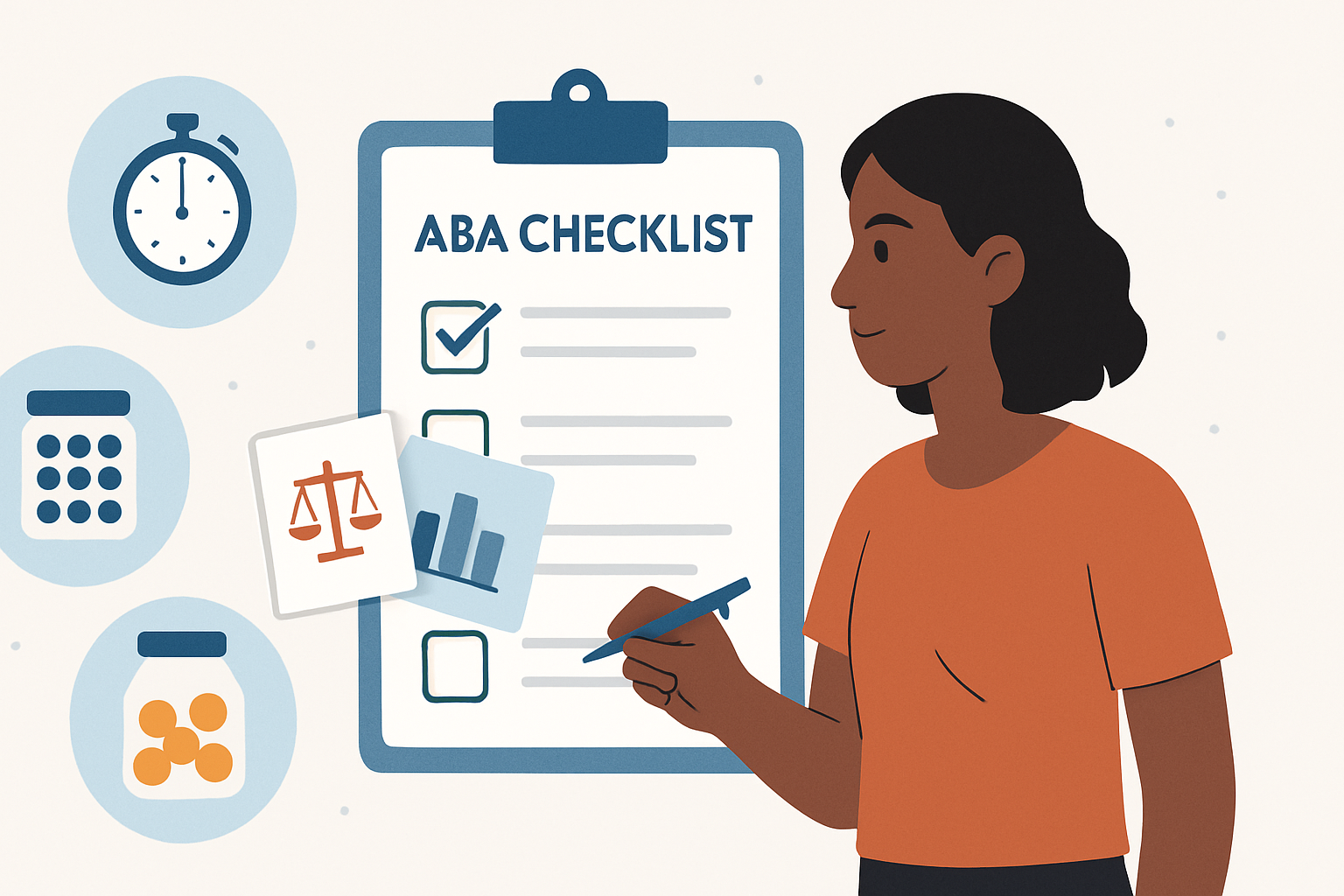
This practical checklist integrates procedural steps with ethical considerations for effective shaping implementation:
- Define the terminal behavior clearly and objectively using measurable criteria
- Identify a starting behavior that already occurs in the learner’s repertoire
- Establish successive approximations that represent gradual progression toward the goal
- Select appropriate reinforcers based on preference assessments and maintain reinforcement potency
- Monitor progress systematically using data collection to guide decisions about when to move to the next approximation
- Obtain and maintain client assent throughout the procedure, respecting autonomy and dignity
- Watch for signs of frustration and adjust the pace or approximations as needed
- Ensure treatment integrity by training staff consistently and monitoring implementation fidelity
This checklist aligns with both procedural effectiveness and the ethical guidelines outlined in the BACB Ethics Code.
Summary and Key Takeaways
Shaping represents a powerful behavior change procedure that builds new skills through systematic reinforcement of successive approximations. For BCBA candidates, mastering this concept involves understanding both its technical implementation and ethical considerations.
The core principles include differential reinforcement of gradually improving approximations, careful monitoring of progress, and respect for client autonomy throughout the process. On the exam, distinguishing shaping from other procedures like chaining or prompting is essential for selecting the correct intervention in scenario-based questions.
Remember that effective shaping requires both technical precision and ethical sensitivity. By following systematic implementation guidelines while maintaining focus on client dignity and assent, practitioners can use shaping to build meaningful skills that enhance quality of life.


