Understanding PDC-HS is essential for any BCBA candidate or practicing behavior analyst. This framework represents more than just an ethical requirement—it’s the foundation for delivering effective, respectful, and culturally responsive behavior analytic services. As you prepare for your certification, grasping how PDC-HS integrates professional development with cultural humility will transform both your exam performance and your clinical practice.
Table of Contents
- What is PDC-HS? Defining the Core Competency
- PDC-HS in Action: Worked Examples for BCBAs
- PDC-HS on the BCBA Exam: What to Expect and Common Traps
- Your PDC-HS Application Checklist
- Key Takeaways: Integrating PDC-HS into Your Practice
What is PDC-HS? Defining the Core Competency
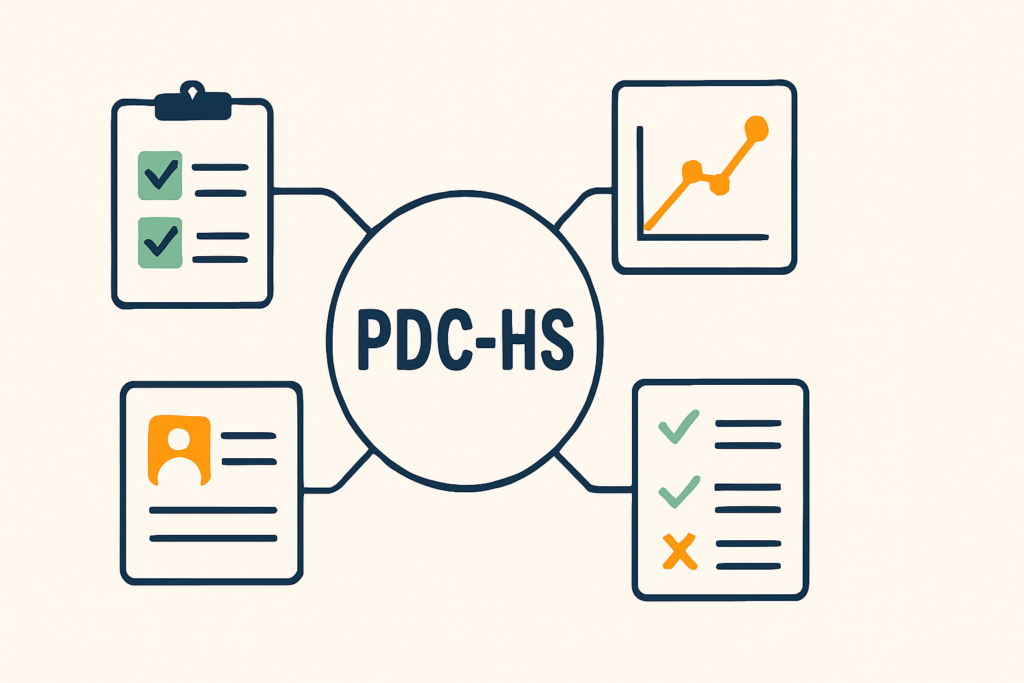
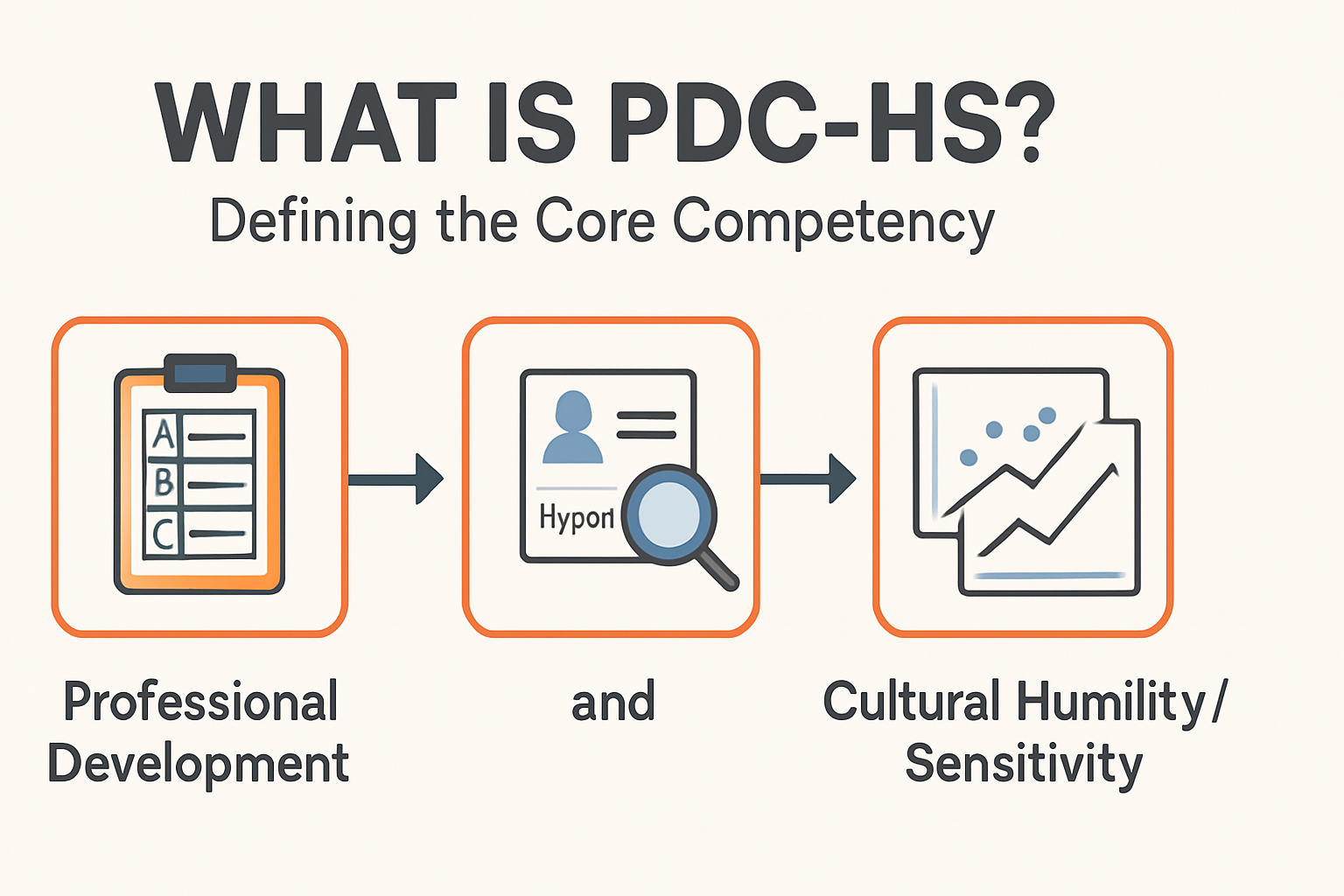
PDC-HS stands for Professional Development and Cultural Humility/Sensitivity. This competency represents a dual commitment to ongoing learning and respectful, culturally aware practice. It’s not merely a checklist item but a foundational approach that shapes every interaction with clients, families, and colleagues.
Breaking Down the Acronym: Professional Development and Cultural Humility/Sensitivity
The professional development component emphasizes continuous learning through supervision, self-assessment, and staying current with research. This means actively seeking feedback, engaging in ongoing education, and recognizing when you need additional training or consultation.
Cultural humility/sensitivity involves a lifelong process of self-reflection, recognizing power imbalances, and adapting your practice to diverse client values. Unlike cultural competence, which suggests an endpoint, cultural humility acknowledges that we’re always learning about others’ experiences and perspectives.
PDC-HS in the BACB Ethics Code and Task List
The BACB Ethics Code explicitly addresses PDC-HS principles in several sections. Code 1.07 requires behavior analysts to maintain their professional competence, while Code 4.07 mandates that they consider cultural factors when designing interventions. In the Task List, PDC-HS appears in Section 1: Foundations, emphasizing its role as an overarching framework influencing all aspects of practice.
This framework ensures that behavioral procedures are applied with respect for client dignity and cultural context. It’s not just about following rules—it’s about developing a mindset that prioritizes client-centered care and ethical decision-making.
PDC-HS in Action: Worked Examples for BCBAs
Let’s examine how PDC-HS principles translate into real-world practice through concrete scenarios. These examples demonstrate the practical application of this ethical framework in common clinical situations.
Example 1: Adapting a Token Economy for Cultural Fit
Consider a scenario where a family from a collectivist cultural background finds a typical star chart aversive. The antecedent is token delivery using Western-style individual achievement symbols. The behavior observed is client disengagement and tantrums during intervention sessions. The consequence is that the program is deemed ineffective.
The hypothesized function is escape from a culturally mismatched intervention. A BCBA applying PDC-HS principles would collaborate with the family to identify culturally meaningful reinforcers and redesign the token system. This might involve shifting from individual stars to family-based achievements or using symbols that align with the family’s values.
Example 2: Addressing a Bias in Data Collection
Imagine an RBT consistently codes lower rates of behavior for a client from a different cultural background than their own. The antecedent is observation sessions across different clients. The behavior is potentially biased data recording. The consequence is inaccurate assessment leading to inappropriate intervention planning.
The hypothesized function involves unconscious bias affecting professional judgment. A supervisor demonstrating cultural humility would engage in self-reflection about their own training practices, provide specific training on recognizing and mitigating bias, and implement systematic reliability checks. This approach addresses both the immediate data issue and the underlying professional development need.
PDC-HS on the BCBA Exam: What to Expect and Common Traps
Exam questions testing PDC-HS principles often appear in scenario-based formats. Recognizing how these questions are structured and avoiding common mistakes can significantly improve your performance.
Recognizing PDC-HS Question Stems
Look for phrases that signal PDC-HS content: ‘most culturally humble approach,’ ‘demonstrates ongoing professional development,’ ‘respects client dignity,’ ‘addresses power imbalances,’ or ‘seeks appropriate supervision.’ These stems indicate that the question is testing your understanding of ethical application rather than just technical behavioral procedures.
Questions may present scenarios where multiple technically correct behavioral solutions exist, but only one demonstrates proper application of PDC-HS principles. Your task is to identify the option that best integrates both effective intervention and ethical, culturally responsive practice.
Three Frequent Exam Pitfalls to Avoid
- Confusing cultural competence with cultural humility: Remember that competence suggests mastery, while humility acknowledges ongoing learning. Exam questions often test this distinction.
- Prioritizing technical procedure over collaboration: When a scenario presents both a technically correct intervention and one developed with client/family input, the collaborative approach often aligns better with PDC-HS principles.
- Overlooking professional development needs: If a scenario indicates a knowledge or skill gap, the correct answer typically involves seeking supervision or additional training rather than proceeding with potentially inadequate preparation.
Your PDC-HS Application Checklist
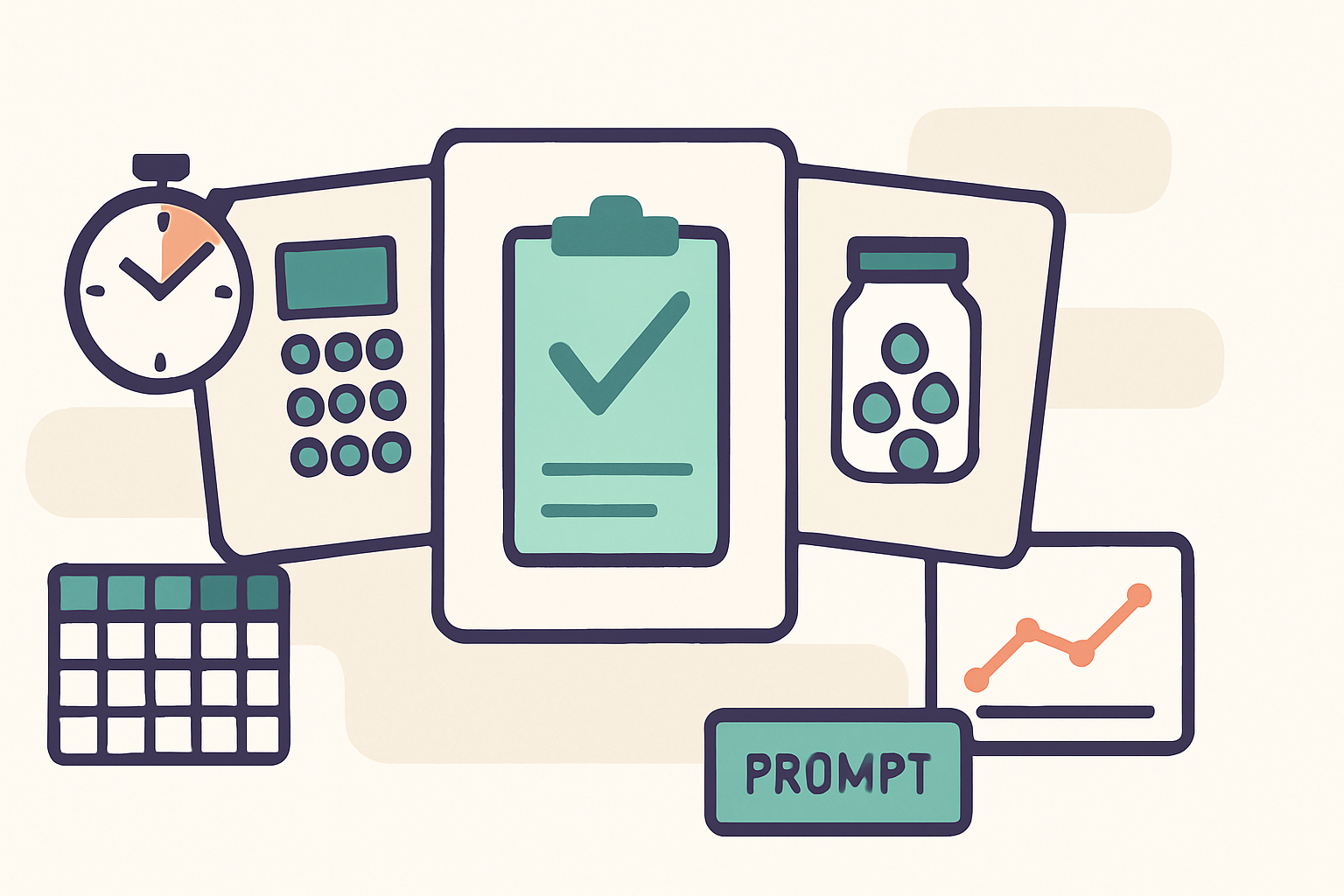
Use this practical checklist to evaluate your understanding and application of PDC-HS principles in both exam preparation and clinical practice.
- Assess your cultural self-awareness regularly through reflection and feedback
- Engage in ongoing professional development through supervision, workshops, and current literature review
- Collaborate with clients and families when designing interventions and selecting reinforcers
- Recognize power imbalances in therapeutic relationships and actively work to address them
- Seek consultation when working with populations or cultures outside your experience
- Monitor for unconscious bias in data collection, interpretation, and intervention planning
- Adapt assessment and intervention methods to align with client values and cultural context
- Document your PDC-HS considerations in treatment plans and progress notes
Key Takeaways: Integrating PDC-HS into Your Practice
PDC-HS represents the ethical backbone of modern behavior analytic practice. It ensures that behavioral procedures are applied with respect, relevance, and ongoing self-improvement. This framework transforms technical competence into truly effective, client-centered care.
For BCBA candidates, mastering PDC-HS means understanding that ethical practice extends beyond following rules to developing a mindset of continuous learning and cultural responsiveness. As you prepare for your exam, remember that questions testing these principles are evaluating your ability to integrate technical knowledge with ethical application.
In clinical practice, PDC-HS guides you toward interventions that honor client dignity while maintaining scientific rigor. By embracing both professional development and cultural humility, you’ll deliver services that are not only effective but also respectful and meaningful to those you serve. For more on ethical frameworks in ABA, explore our guide on ethics in ABA practice and learn about compassionate care and client dignity.
For authoritative information on ethical standards, refer to the BACB Ethics Codes.
Complete BCBA Exam Prep
Turn this topic into exam-day practice
Practice concepts in context with five full-length 6th Edition mock exams, two bonus practice exams, a 6th Edition study guide, and key-term flashcards—all in one $120 USD package.
Get the $120 All-in-One Prep Pack
Review everything included on the product page before ordering. No pass guarantee is implied.