
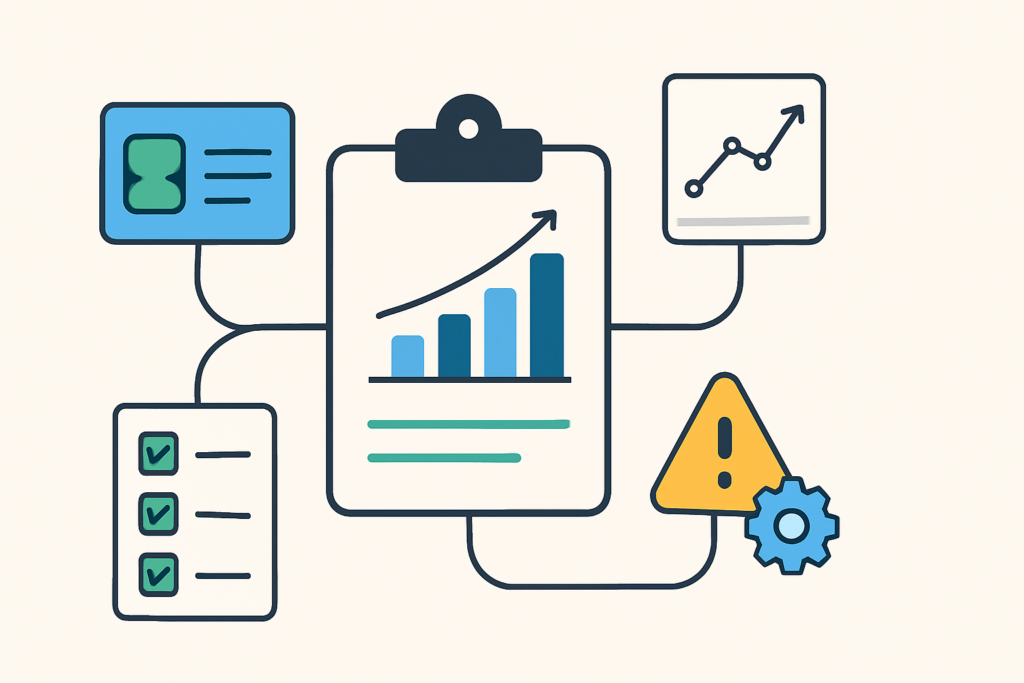
Functional Behavior Assessment results represent the critical synthesis point where raw data transforms into actionable clinical insight. For BCBA candidates, mastering the art of interpreting FBA results is essential for both exam success and ethical practice. This process bridges assessment data with effective intervention design.
Table of Contents
- What Are FBA Results and Why Do They Matter?
- The Analyst’s Process: From Raw Data to Functional Hypothesis
- Worked Examples: Applying the Process to Common Scenarios
- Exam Relevance and Common Traps in Interpreting FBA Results
- Your Quick-Action Checklist for Valid FBA Results
- From Hypothesis to Plan: The Direct Link to Your BIP
What Are FBA Results and Why Do They Matter?
FBA results extend beyond simple data summaries. They represent the analytical conclusion of a comprehensive assessment process that informs treatment decisions.
Defining the End Product of a Functional Assessment
FBA results encompass the synthesized findings from multiple assessment methods. According to the BACB Task List Section B (Conducting Assessments), this includes descriptive analyses, indirect measures, and when appropriate, functional analyses. The results should clearly identify environmental variables maintaining the target behavior.
The Ethical and Legal Imperative of Accurate Interpretation
The BACB Ethics Code (Section 2.13-2.15) mandates that assessments be valid and reliable. Misinterpreting FBA data can lead to ineffective interventions or even harmful consequences. Accurate interpretation ensures interventions target the true maintaining variables rather than surface-level symptoms.
The Analyst’s Process: From Raw Data to Functional Hypothesis
Transforming assessment data into a functional hypothesis requires systematic analysis. Follow this structured approach to ensure defensible conclusions.
Step 1: Synthesizing Direct Observation Data
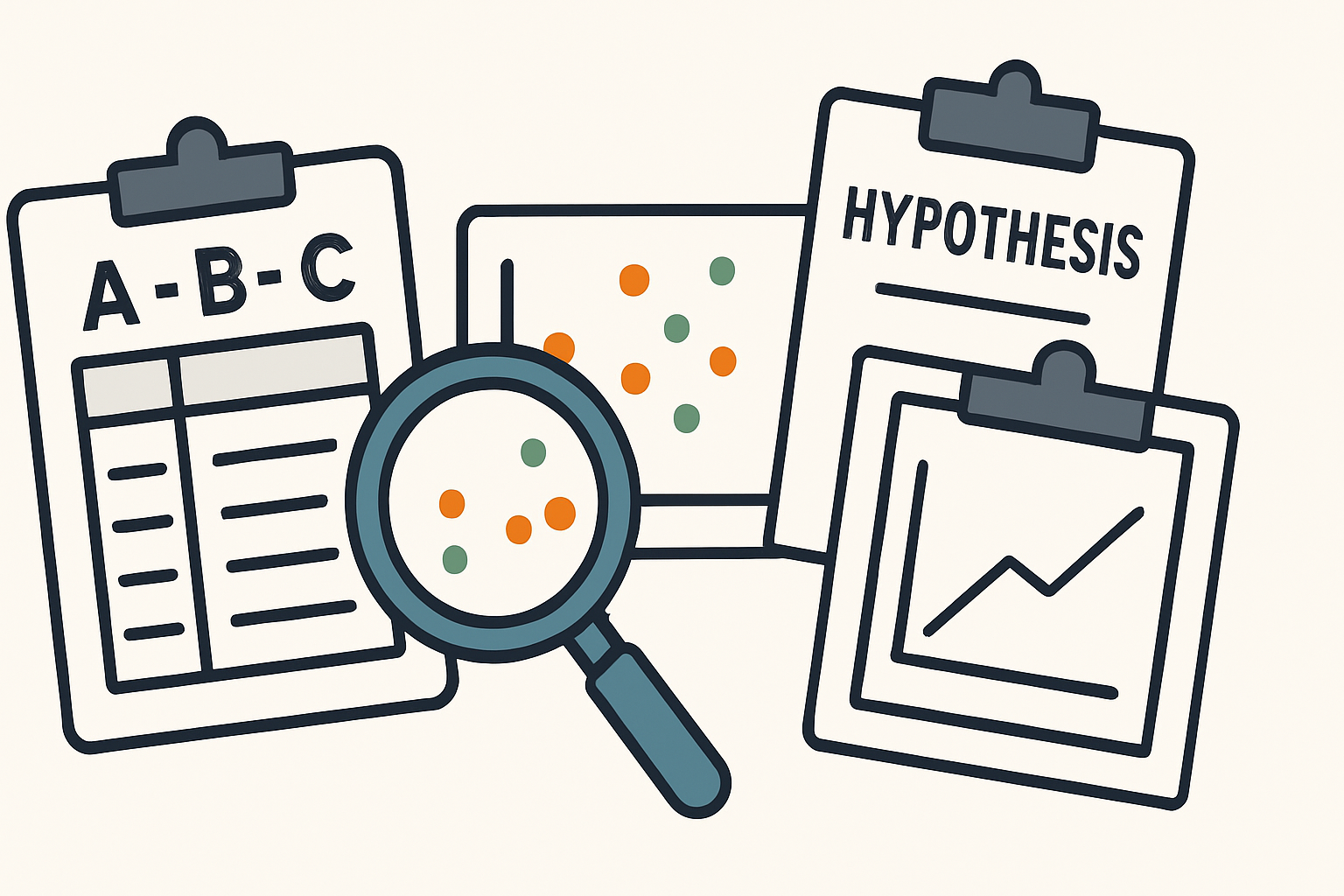
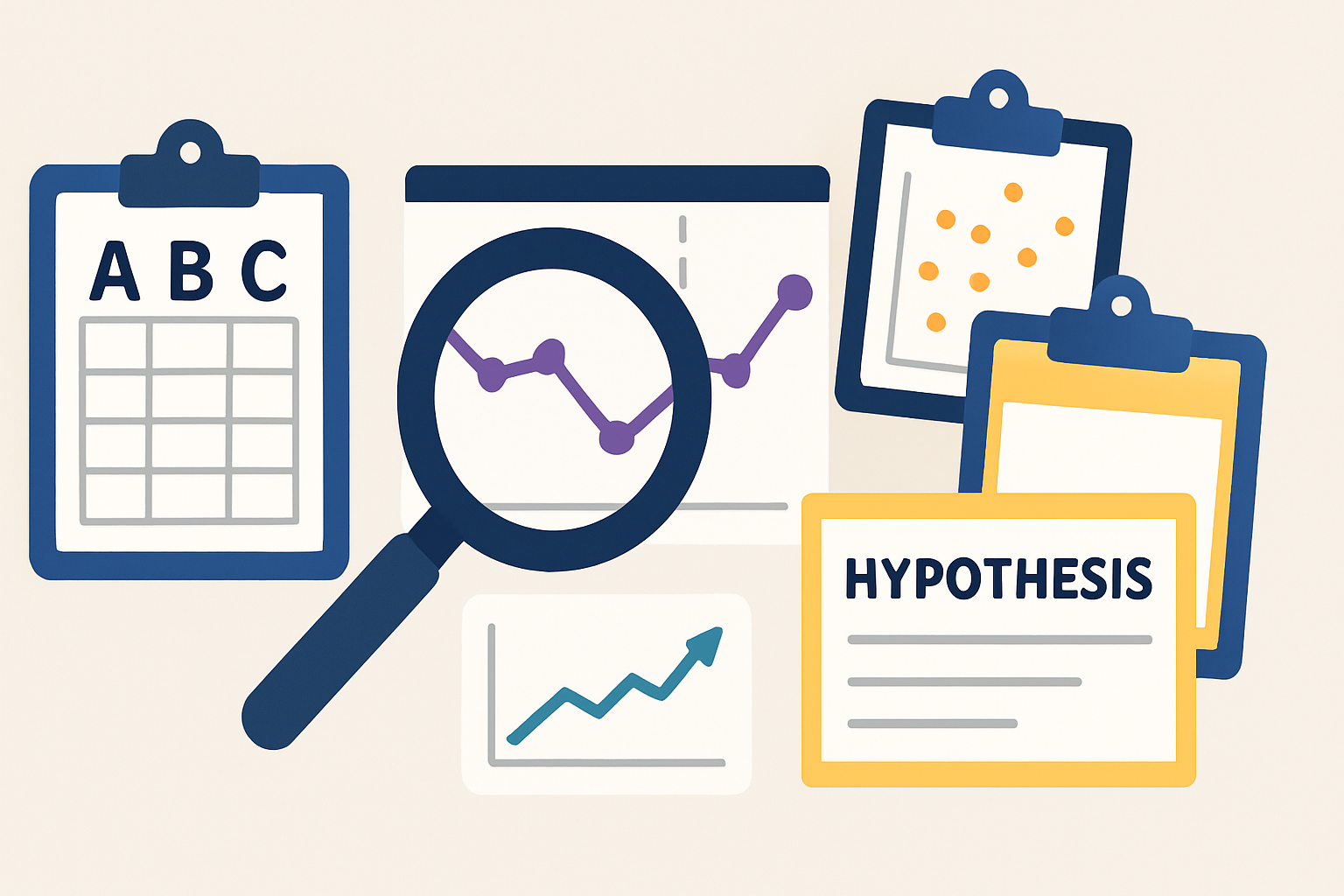
Review multiple ABC recordings to identify consistent patterns. Look for recurring antecedent conditions and consequent events across observations. Create a summary table that organizes data by setting events, immediate antecedents, and maintaining consequences.
Step 2: Interpreting Quantitative Measures
Analyze scatterplots for temporal patterns and frequency charts for behavioral trends. Examine consistency across data sources rather than relying on isolated data points. Look for correlations between environmental changes and behavioral fluctuations.
Step 3: Formulating a Defensible Hypothesis
Integrate all data points to develop a functional hypothesis using the SEAT framework (Sensory, Escape, Attention, Tangible). A strong hypothesis statement specifies the reinforcement contingency maintaining the behavior, while weak hypotheses rely on circular reasoning or mentalistic explanations.
Worked Examples: Applying the Process to Common Scenarios
These practical examples demonstrate how to apply the analytical process to real assessment data.
Example 1: Escape-Maintained Behavior in a Classroom
Assessment data shows aggression occurring during difficult math tasks with consistent task removal following incidents. ABC narratives reveal the behavior consistently leads to escape from demands. The defensible hypothesis: “Behavior is maintained by negative reinforcement in the form of escape from challenging academic tasks.”
Example 2: Attention-Seeking Behavior During Play
Data indicates vocal disruptions increase when peers are present but not engaging with the individual. Scatterplots show highest frequency during unstructured social times. The hypothesis: “Behavior is maintained by positive reinforcement through access to peer and adult attention.”
Exam Relevance and Common Traps in Interpreting FBA Results
BCBA exam questions frequently test your ability to analyze assessment data and identify analytical errors. Understanding common pitfalls is crucial for exam success.
Key Exam Topics and Question Formats
Task List items B-01 to B-09 cover assessment procedures. Exam questions may ask you to:
- Select the next analytical step after data collection
- Identify the function of behavior from assessment scenarios
- Spot methodological flaws in FBA summaries
- Differentiate between descriptive and functional analyses
Top 3 Analytical Pitfalls to Avoid
These common errors can undermine assessment validity:
- Confusing correlation with causation – Just because behavior happens when certain conditions exist doesn’t mean those conditions cause the behavior
- Relying on single data points – Conclusions should be based on multiple data sources showing consistent patterns
- Letting bias influence hypotheses – Avoid confirmation bias by considering all possible functions equally
Your Quick-Action Checklist for Valid FBA Results
Use this checklist to ensure your FBA interpretation meets professional standards:
- Verify data triangulation across multiple assessment methods
- Check for consistent patterns in antecedent-behavior-consequence sequences
- Ensure the hypothesis specifies the reinforcement contingency maintaining behavior
- Confirm the hypothesis is testable and measurable through intervention
- Validate that competing hypotheses have been considered and ruled out
- Review for circular reasoning or mentalistic explanations
From Hypothesis to Plan: The Direct Link to Your BIP
The ultimate purpose of interpreting FBA results is to inform function-based interventions. Each hypothesized function dictates specific intervention strategies. For example, escape-maintained behaviors require teaching functional communication for breaks, while attention-seeking behaviors benefit from differential reinforcement of alternative behaviors.
Your behavior intervention plan should directly address the maintaining variables identified in your FBA results. This ensures interventions are efficient and effective rather than based on guesswork. For more on developing comprehensive behavior plans, see our guide on creating effective BIPs.
Remember that accurate FBA interpretation forms the foundation for all subsequent intervention decisions. As you prepare for the BCBA exam, practice analyzing various assessment scenarios and developing defensible functional hypotheses. For additional assessment strategies, explore our resources on comprehensive ABA assessments and the official BACB Ethics Code regarding assessment standards.


