

Effective ABA treatment planning requires more than just good intentions—it demands a structured framework that ensures interventions are meaningful, measurable, and ethical. The IDEA framework provides this essential structure, guiding behavior analysts through the critical components of Individualized, Data-driven, Ethical, and Applied intervention design. This systematic approach transforms casual ‘ideas’ into evidence-based practices that produce socially significant behavior change.
Table of Contents
- IDEA framework ABA: What is the IDEA Framework in ABA?
- From Assessment to Intervention: Applying the IDEA
- IDEA on the BCBA Exam: Common Traps and How to Avoid Them
- Your IDEA Implementation Checklist
- Key Takeaways for Clinical Practice and Exam Mastery
- References
IDEA framework ABA: What is the IDEA Framework in ABA?
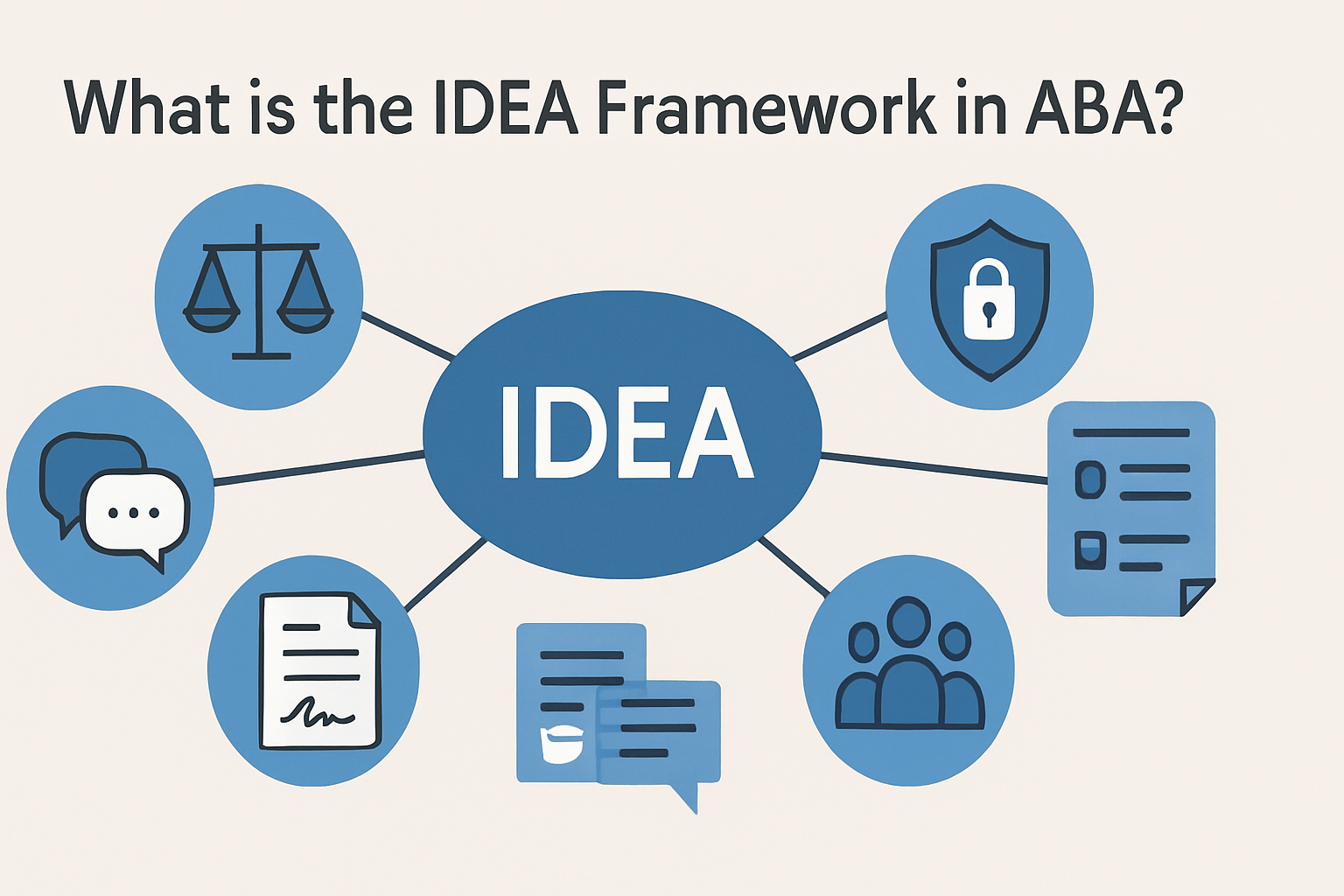
The IDEA framework serves as a comprehensive guide for developing and implementing behavior intervention plans that meet professional standards. Each component represents a non-negotiable element of effective practice, rooted in the BACB Ethics Code and the foundational dimensions of applied behavior analysis established by Baer, Wolf, and Risley.
Breaking Down the Acronym: The Four Pillars
Individualized means tailoring interventions to the specific client’s needs, preferences, learning history, and environmental context. This requires thorough functional assessment and consideration of client-specific variables rather than applying cookie-cutter solutions.
Data-driven emphasizes measurement-based decision making. Every intervention must include objective measurement systems, baseline data collection, and ongoing progress monitoring to determine effectiveness and guide modifications.
Ethical requires adherence to the BACB Professional and Ethical Compliance Code, including obtaining informed consent, ensuring client dignity, using least restrictive procedures, and maintaining professional boundaries.
Applied focuses on targeting socially significant behaviors that improve the client’s quality of life and functioning in natural environments, rather than focusing solely on theoretical or laboratory-based targets.
Why IDEA is More Than Just a ‘Good Idea’
Many practitioners start with good intentions, but the IDEA framework provides the structure needed for procedural fidelity and accountability. This systematic approach ensures interventions are replicable, measurable, and defensible—critical elements for both clinical success and BCBA exam scenarios.
Without this framework, interventions risk becoming subjective, inconsistent, or ineffective. The IDEA components work together to create comprehensive treatment plans that withstand professional scrutiny and produce meaningful outcomes.
From Assessment to Intervention: Applying the IDEA
The IDEA framework provides a clear roadmap from initial assessment to intervention implementation. This systematic approach ensures each step aligns with professional standards and produces measurable outcomes.
Worked Example 1: Addressing Elopement in a School Setting
Consider an 8-year-old student who engages in elopement behavior during academic tasks. A functional assessment reveals the behavior serves an escape function from difficult work. Here’s how the IDEA framework guides intervention development:
- Individualized: Conduct a preference assessment to identify preferred break activities that can serve as alternative reinforcers. Consider the student’s specific academic challenges and sensory preferences.
- Data-driven: Collect baseline latency data measuring time between task presentation and elopement. Implement intervention and compare treatment data to baseline using single-subject design methodology.
- Ethical: Obtain informed assent from the student using developmentally appropriate language. Select least restrictive procedures starting with positive reinforcement before considering more intrusive interventions.
- Applied: Teach functional communication training for requesting breaks using a break card system. This targets socially significant communication skills while reducing elopement.
Worked Example 2: Increasing Social Initiations for a Teenager
A 14-year-old client demonstrates limited peer interactions during unstructured school time. Assessment suggests both skill deficits and potential automatic reinforcement patterns. The IDEA-guided plan includes:
- Individualized: Create interest-based social groups around the client’s specific hobbies (video games, art) to increase motivation for interaction.
- Data-driven: Use frequency counts of social initiations during baseline and intervention phases. Implement multiple baseline design across settings to demonstrate experimental control.
- Ethical: Ensure privacy considerations in group settings and respect client’s stated social goals rather than imposing external expectations.
- Applied: Program for generalization to community settings like local gaming stores or art classes where natural social opportunities exist.
IDEA on the BCBA Exam: Common Traps and How to Avoid Them
The BCBA exam frequently tests candidates’ ability to identify when interventions violate IDEA principles. Recognizing these violations requires careful analysis of vignettes and scenario-based questions.
Recognizing IDEA Violations in Vignettes
Exam questions often present scenarios where one or more IDEA components are missing or inadequately addressed. Common violations include:
- Interventions based on anecdotal evidence rather than systematic data collection
- Cookie-cutter approaches applied without individualized assessment
- Targeting behaviors with limited social significance to the client
- Procedures that violate ethical guidelines like using overly restrictive interventions without exhausting less intrusive options first
The ‘Individualized’ vs. ‘Efficient’ Mismatch
A particularly tricky exam trap involves choosing interventions because they’re ‘efficient’ or ‘commonly used’ rather than truly individualized based on assessment data. Candidates must remember that efficiency never justifies bypassing client-specific variables or functional assessment results.
For example, selecting a standard token economy system because it’s easy to implement, rather than conducting a preference assessment to identify meaningful reinforcers, violates the Individualized component of IDEA.
Your IDEA Implementation Checklist
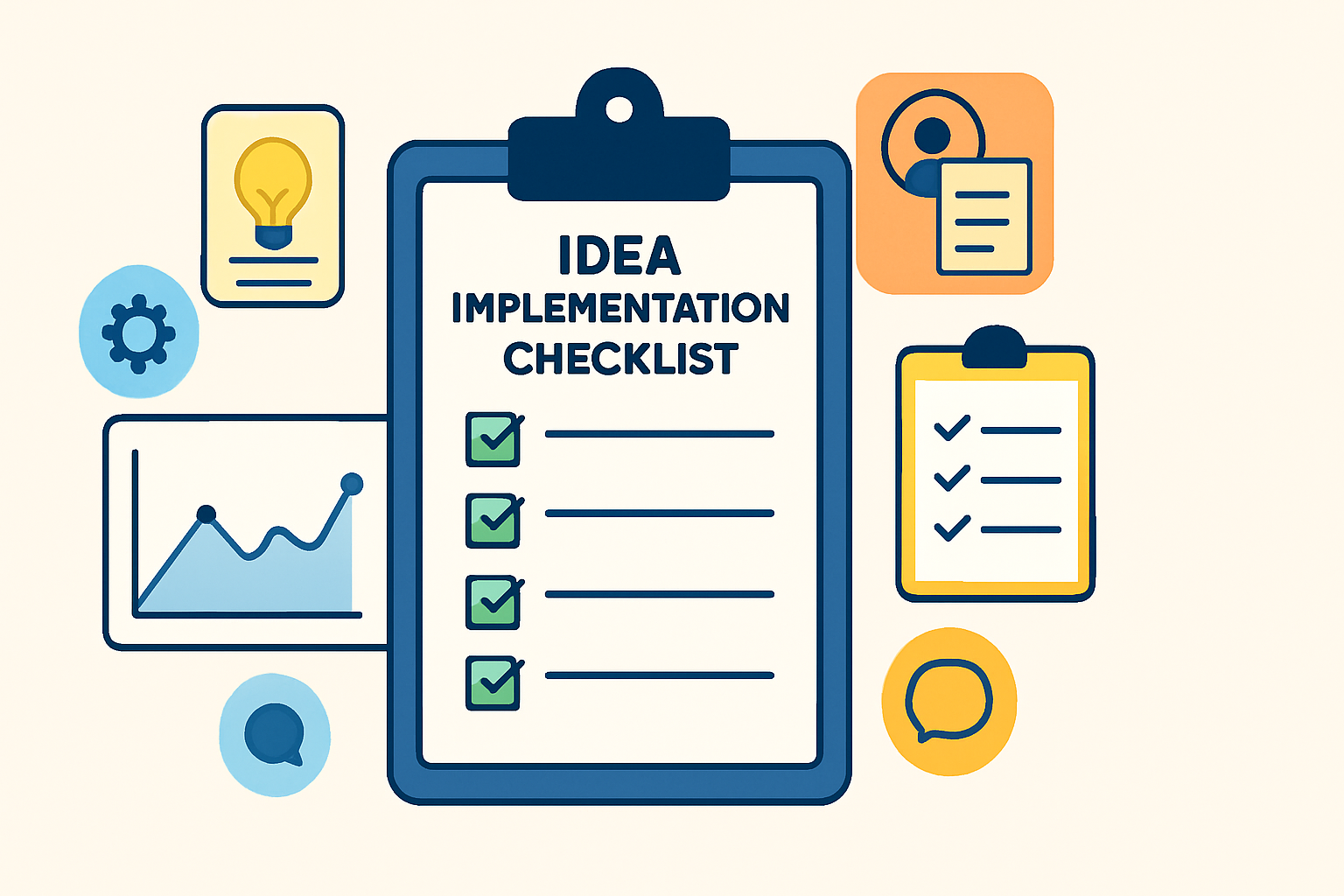
Use this practical checklist when developing or reviewing treatment plans to ensure all IDEA components are adequately addressed:
- Conduct comprehensive functional assessment before intervention design
- Collect and analyze baseline data using appropriate measurement systems
- Select interventions based on assessment results rather than personal preference
- Obtain proper informed consent and client assent when appropriate
- Target behaviors with clear social significance to the client
- Implement data collection systems to monitor progress continuously
- Use least restrictive procedures and document rationale for any restrictive elements
- Program for generalization and maintenance from the beginning
- Regularly evaluate social validity from client and stakeholder perspectives
- Document all decisions with reference to BACB Ethics Code requirements
Key Takeaways for Clinical Practice and Exam Mastery
The IDEA framework represents more than just a helpful acronym—it’s a mandatory structure for ethical, effective ABA practice. Each component interconnects to create comprehensive interventions that produce meaningful, measurable outcomes while maintaining professional standards.
For BCBA candidates, mastering this framework provides both exam success and clinical competence. The IDEA principles appear throughout the BACB Task List, particularly in sections addressing assessment, intervention, and ethical considerations. By internalizing these components, you’ll be better prepared to analyze exam scenarios, identify appropriate interventions, and avoid common pitfalls that lead to incorrect answers.
Remember that effective treatment planning requires balancing all four components simultaneously. An intervention might be perfectly individualized and data-driven, but if it violates ethical guidelines or targets non-significant behaviors, it fails the IDEA test. Use this framework as your guide for both exam preparation and professional practice to ensure your interventions meet the highest standards of applied behavior analysis.


