
VCS ABAI coursework attestation is explained with practical steps and examples.
VCS ABAI coursework attestation: Understanding the Transition: VCS Sunset and ABAI Attestation
The Behavior Analyst Certification Board (BACB) is implementing significant changes to how coursework is verified for BCBA certification. The traditional Verified Course Sequence (VCS) system is being phased out in favor of ABAI-accredited program attestation. This transition represents a fundamental shift from course-level verification to program-level accreditation, with important implications for all current and future BCBA candidates.
What Was the VCS System and Why Is It Changing?
The Verified Course Sequence system was established to ensure that individual courses met specific content requirements for BCBA exam eligibility. Under this system, programs could have their courses individually verified by the Association for Behavior Analysis International (ABAI). However, the BACB recognized limitations in this approach, particularly regarding overall program quality and standardization.
The move to program accreditation represents a quality assurance enhancement. Rather than verifying individual courses, the new system evaluates entire programs against comprehensive standards. This shift aligns with best practices in higher education accreditation and ensures more consistent training outcomes across all approved programs.
The New Standard: ABAI-Accredited Program Attestation
Under the new system, programs must obtain ABAI accreditation to qualify their graduates for BCBA exam eligibility. The attestation process involves the program director confirming that a candidate’s completed coursework meets all required standards. This replaces the previous method where candidates submitted individual course verification documents.
The attestation form serves as official documentation that a candidate has completed an approved program. This streamlined approach reduces administrative burden while maintaining rigorous standards. Programs undergo comprehensive review of their curriculum, faculty qualifications, and student outcomes to earn and maintain accreditation status.
Impact on Your BCBA Exam Journey: A Behavioral Analysis
Understanding these changes through a behavioral lens helps candidates navigate the transition effectively. The shift from VCS to ABAI attestation creates different antecedent conditions and contingencies that influence candidate behavior throughout the certification process.
Example 1: The Antecedent of Program Choice (2024 and Beyond)
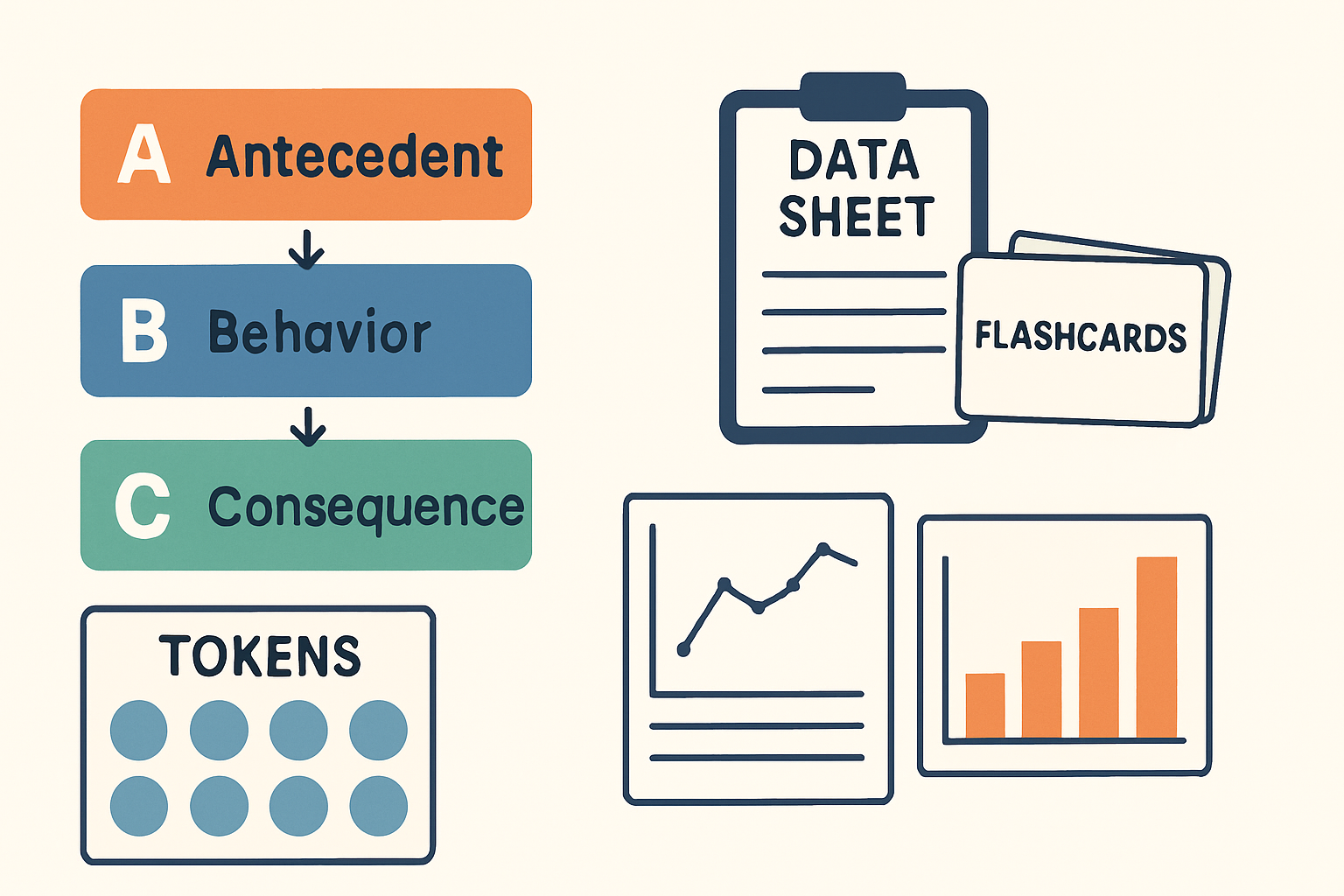
Consider this ABC analysis of program selection behavior: The antecedent (A) involves a candidate researching graduate programs after 2025. The behavior (B) consists of selecting only ABAI-accredited programs or verified legacy VCS programs. The consequence (C) is a secure path to exam eligibility, which functions as positive reinforcement.
The hypothesized behavioral function is access to tangibles (certification). This example illustrates how the new system creates different discriminative stimuli for program selection. Candidates must now discriminate between accredited and non-accredited programs, with the former serving as an SD for exam eligibility.
Example 2: The Behavior of Coursework Verification Submission
Another ABC contingency emerges during the application process: The antecedent (A) is the time to apply for the BCBA exam. The behavior (B) involves submitting the attestation form from the program director instead of individual VCS course documentation. The consequence (C) is BACB application approval, which provides negative reinforcement by removing application anxiety.
This behavioral analysis highlights how the new process changes the response requirements for candidates. The attestation system simplifies documentation while maintaining accountability through program-level accreditation. Understanding these behavioral contingencies helps candidates navigate the transition smoothly.
Navigating Common Exam and Application Traps
Several common pitfalls await unwary candidates during this transition period. First, assuming all ‘ABA’ programs are accredited can lead to eligibility issues. Candidates must verify accreditation status directly through the ABAI program directory.
Second, missing grandfathering deadlines for VCS programs creates unnecessary barriers. The BACB has established specific timelines for transitioning from VCS to accreditation requirements. Third, misunderstanding that attestation responsibility lies with the program rather than the individual candidate can delay applications.
These considerations connect directly to ethics codes regarding accurate representation of credentials. Candidates have an ethical responsibility to ensure their training meets current standards. For comprehensive exam preparation resources, explore our ethics and professional conduct guide.

Strategic Checklist for Candidates at Different Stages
Your position in the certification journey determines your specific action steps. This stage-dependent approach ensures you address the right priorities at the right time, maximizing your chances of successful certification.
If You Are Currently in a VCS Program
- Confirm accreditation status of your current program immediately
- Document your VCS grandfathering deadline and plan accordingly
- Secure all VCS documentation before the sunset date
- Communicate with your program director about transition plans
- Monitor official BACB announcements for policy updates
If You Are Starting or Planning Your Coursework
- Use the official ABAI program directory for program selection
- Verify accreditation status directly with prospective programs
- Understand the complete attestation process before enrollment
- Consider program accreditation timeline in your planning
- Review program student outcomes data as part of evaluation
For additional guidance on program selection, check our choosing ABA programs resource.
Exam Relevance and Key Takeaways
The transition from VCS to ABAI coursework attestation has direct implications for BCBA exam content and preparation. Understanding these changes helps candidates anticipate potential exam questions and apply concepts correctly in various contexts.
Summary: Ensuring a Reinforcing Path to Certification
The fundamental change involves shifting from course-level verification to program-level accreditation. Success requires proactive verification of your program’s status and thorough understanding of the new attestation procedure. The BACB’s official resources provide the most current information on these requirements.
Key behavioral concepts to remember include how the new system creates different discriminative stimuli for program selection and changes response requirements for application submission. By understanding these behavioral contingencies, candidates can navigate the transition effectively and maintain progress toward certification.
Remember that the ultimate goal remains consistent: ensuring that all BCBA certificants receive high-quality training that prepares them for ethical, effective practice. The transition to ABAI accreditation represents an important step toward this goal, enhancing standardization and quality assurance across behavior analysis training programs.


