

For aspiring BCBA professionals, understanding the evolving requirements for coursework verification is essential. The VCS and ABAI coursework attestation pathways represent two distinct methods for meeting BACB requirements, each with specific implications for your certification timeline. As we approach 2025, candidates must navigate these administrative processes strategically to ensure smooth exam eligibility.
Table of Contents
- VCS and ABAI coursework attestation: Understanding the Two Pathways: VCS and ABAI Attestat
- The 2025 Landscape: Anticipated Changes and Exam Implications
- A Strategic Checklist for BCBA Candidates
- Key Takeaways and Next Steps for Exam Readiness
VCS and ABAI coursework attestation: Understanding the Two Pathways: VCS and ABAI Attestat
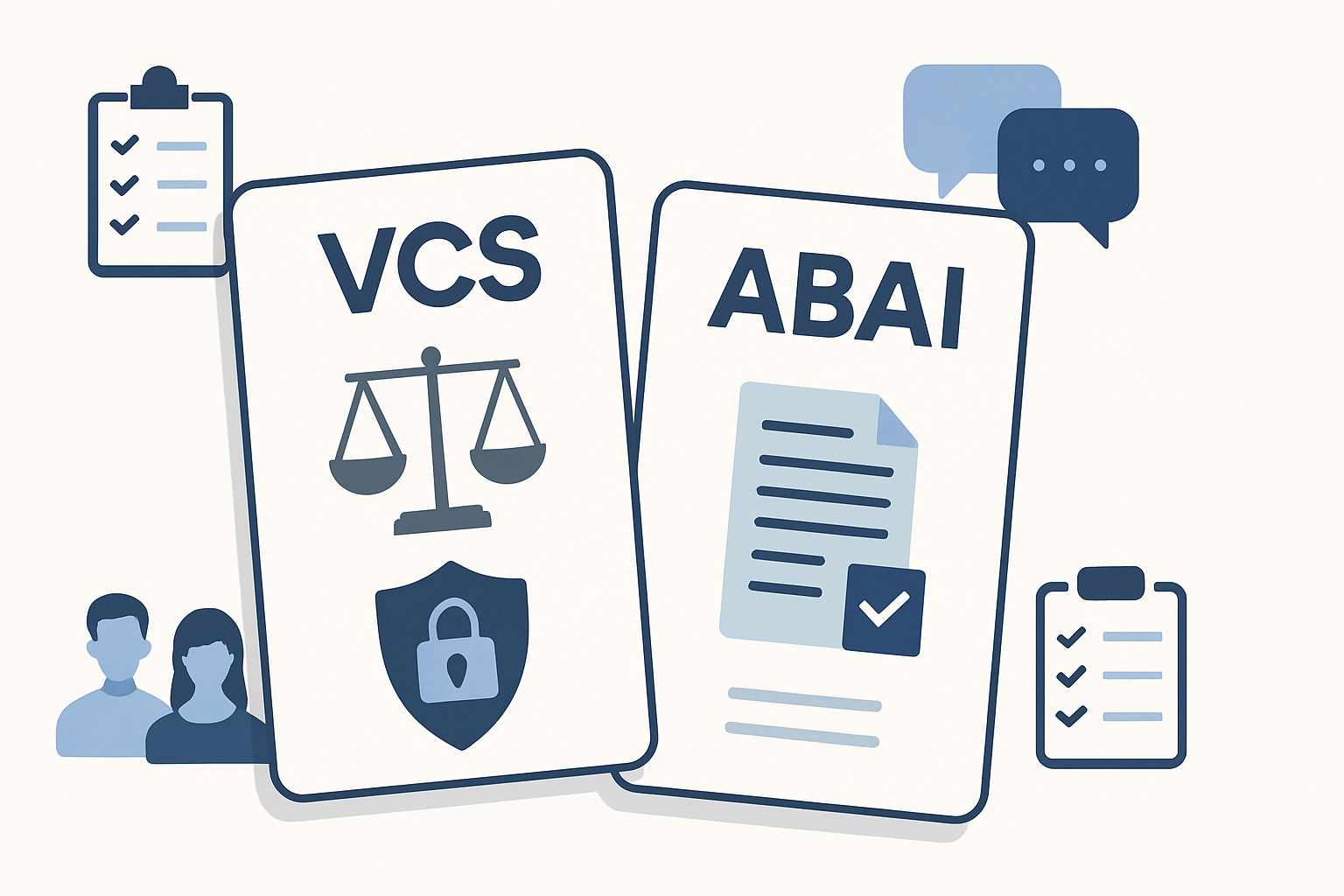
BCBA candidates must complete coursework that aligns with the BACB’s content requirements. Two primary pathways exist for verifying this alignment, each with different administrative processes and implications for your application timeline.
What is a Verified Course Sequence (VCS)?
A Verified Course Sequence represents coursework that has undergone pre-approval by the Association for Behavior Analysis International (ABAI). This process involves rigorous review to ensure the curriculum meets specific content standards. When you complete a VCS program, the verification is built into the documentation process, streamlining your application to the BACB.
The key advantage of a VCS is its standardized verification process. Programs with VCS status have demonstrated that their coursework aligns with the BACB Task List requirements. This pre-approval means candidates can be confident their coursework will be accepted, provided they complete all requirements successfully.
What is ABAI Coursework Attestation?
For programs without VCS status, the ABAI coursework attestation pathway provides an alternative verification method. This process requires the program head or coordinator to formally attest that the completed coursework meets BACB content requirements. Unlike VCS programs, this verification occurs after course completion rather than through pre-approval.
The attestation process places significant responsibility on the program administrator. They must review your coursework against BACB standards and provide formal documentation confirming alignment. This pathway is particularly relevant for newer programs or those undergoing curriculum updates that haven’t yet received VCS designation.
The 2025 Landscape: Anticipated Changes and Exam Implications
As we approach 2025, several factors may influence how candidates approach coursework verification. Understanding these dynamics is crucial for effective exam preparation and application planning.
Why Timing and Pathway Choice Matter for Your Application
Consider a candidate who begins graduate studies in late 2024. Their choice between VCS and attestation pathways directly impacts their 2025 exam eligibility timeline. VCS programs typically offer more predictable verification timelines, while attestation processes may involve additional administrative steps that could delay application submission.
The timing of your program completion relative to potential BACB requirement updates also matters. Programs undergoing curriculum changes to align with new standards may temporarily rely on attestation until they secure updated VCS status. Candidates should inquire about their program’s current verification status and any planned changes.
Common Exam Traps Related to Coursework Eligibility
Several misconceptions can derail BCBA candidates’ preparation efforts. Understanding these common pitfalls is essential for avoiding application delays.
- Mistaking ABAI accreditation for VCS status: Not all ABAI-accredited programs automatically have VCS designation. Accreditation and coursework verification are separate processes.
- Assuming attestation is less rigorous: Both pathways require meeting the same content standards; only the verification method differs.
- Confusing degree accreditation with coursework verification: Your institution may be accredited, but your specific coursework still requires verification through VCS or attestation.
- Overlooking documentation requirements: Each pathway has specific documentation needs that must be completed correctly and submitted on time.
A Strategic Checklist for BCBA Candidates
Proactive planning is essential for navigating coursework verification successfully. This checklist provides actionable steps to ensure your eligibility documentation is complete and accurate.
Questions to Ask Your Graduate Program Advisor
Early conversations with your program advisor can clarify your verification pathway and timeline. Ask these specific questions during your program orientation or early in your studies.
- Does our program have an active VCS number from ABAI?
- If using attestation, who is authorized to sign the attestation form?
- When was the program’s last ABAI review or VCS renewal?
- Are there any planned curriculum changes that might affect verification status?
- What is the typical timeline for graduates to receive verification documentation?
- How does the program ensure coursework aligns with the current BACB Task List?
Documentation You Need to Secure and Review
Proper documentation is critical for both verification pathways. Begin collecting these materials early in your program to avoid last-minute scrambling.
- VCS verification letter (if applicable) with the official VCS number
- Signed attestation form from the program head or coordinator
- Complete course syllabi showing alignment with BACB content areas
- Official transcripts showing successful course completion
- BACB coursework requirements document for cross-reference
- Documentation of any course substitutions or equivalencies
Key Takeaways and Next Steps for Exam Readiness
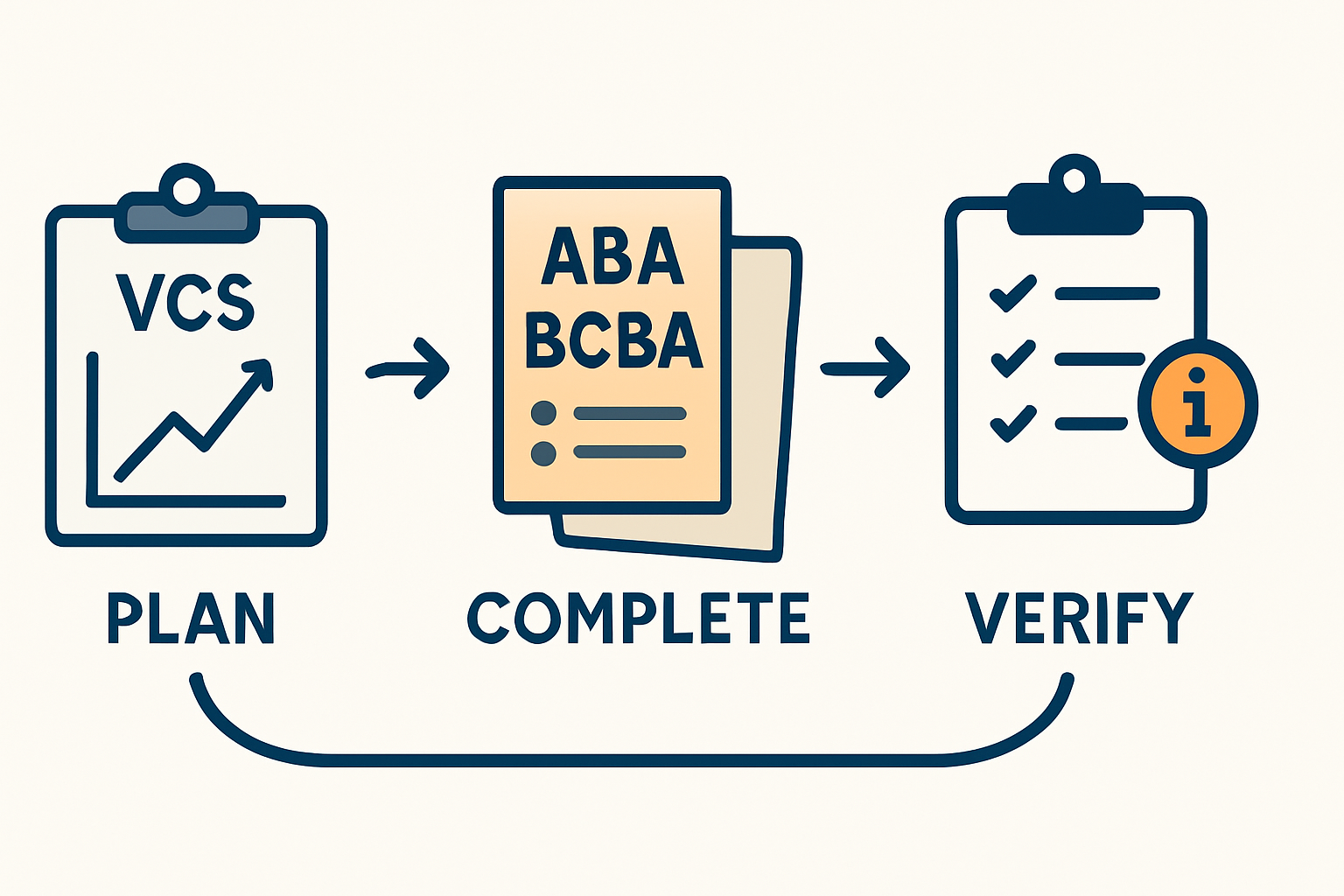
Successfully navigating coursework verification requires understanding both the administrative requirements and their implications for your exam preparation timeline. The distinction between VCS and attestation pathways affects not just documentation but also your overall certification strategy.
Begin by confirming your program’s verification status early in your studies. This allows time to address any discrepancies or documentation needs well before your planned exam date. Remember that coursework verification is just one component of your BCBA application; you’ll also need to complete supervised experience hours and other requirements.
As you prepare for the exam, integrate your understanding of these administrative processes with your content study. The BACB Task List 6th Edition changes may affect both coursework content and exam preparation strategies. Consider how verification requirements intersect with other exam preparation elements, such as understanding the seven dimensions of ABA or mastering functional assessment procedures.
For authoritative information on current requirements, consult the BACB BCBA Handbook and ABAI VCS overview. These resources provide official guidance on coursework verification and other certification requirements.
Ultimately, successful navigation of the VCS and ABAI coursework attestation processes requires both administrative diligence and strategic planning. By understanding these pathways and their implications, you can focus your energy on mastering the content knowledge needed to excel on the BCBA exam and in your future practice.


