
Understanding the function of behavior is fundamental to applied behavior analysis and essential for BCBA certification. This concept moves beyond what a behavior looks like to answer why it occurs—what reinforcing consequence maintains it. Mastery of behavioral functions transforms assessment and intervention design.
Table of Contents
- What is the Function of Behavior in ABA?
- Identifying Function: Worked ABC Examples
- Function of Behavior on the BCBA Exam
- Quick-Reference Checklist for Function Identification
- Summary and Next Steps for Your Studies
What is the Function of Behavior in ABA?
The function of behavior refers to the purpose or ‘why’ behind observable actions. Unlike topography (what the behavior looks like), function focuses on the environmental consequences that maintain behavior over time.
A Definition Rooted in Consequences
In ABA, function is determined by the reinforcing consequence that follows a behavior. This perspective is central to Functional Behavior Assessment (FBA) and distinguishes behavior analysis from other approaches. The same topography can serve different functions across individuals or contexts.
The Four Primary Functions: SEAT
Behavior analysts typically categorize functions using the SEAT mnemonic:
- Sensory/Automatic: Behavior produces its own reinforcement through internal stimulation
- Escape: Behavior removes or avoids an aversive stimulus or demand
- Attention: Behavior gains social interaction or acknowledgment from others
- Tangible: Behavior accesses preferred items, activities, or privileges
Identifying Function: Worked ABC Examples
Applying the ABC framework (Antecedent-Behavior-Consequence) reveals behavioral functions through systematic observation.
Example 1: Escape-Maintained Behavior in the Classroom
A student receives a challenging math worksheet (antecedent), screams and throws materials (behavior), and is sent to the hallway (consequence). The escape function is evident because the behavior removes the academic demand. Testing this hypothesis might involve providing easier work or teaching alternative request for break behaviors.
Example 2: Attention-Seeking and Tangible Access
Two common scenarios demonstrate different social functions:
- Attention-seeking: A teenager makes negative self-comments only when parents are on phones, resulting in immediate conversation and concern
- Tangible access: A child tantrums in the toy aisle, leading to parent purchase of the desired item
The key distinction lies in whether the consequence involves social interaction versus item acquisition.
Example 3: Automatic Reinforcement (Sensory)
An individual repeatedly flaps hands across various environments, including when alone. No observable social consequence follows. This pattern suggests automatic reinforcement, where the behavior itself provides sensory stimulation. The ‘alone’ condition provides critical evidence against social functions.
Function of Behavior on the BCBA Exam
Exam questions frequently test your ability to identify functions and apply this knowledge to assessment and intervention scenarios.
Common Exam Traps and Misconceptions
Avoid these frequent mistakes:
- Confusing function with topography (assuming form indicates purpose)
- Overlooking automatic reinforcement when no social consequence is obvious
- Misidentifying ‘escape from attention’ as simple escape from demands
- Assuming function based on personal interpretation rather than environmental analysis
- Failing to consider multiple functions for the same behavior
Key Terms and Definitions You Must Know
Master these essential concepts:
- Positive Reinforcement: Behavior increases by adding a stimulus
- Negative Reinforcement: Behavior increases by removing a stimulus
- Motivating Operation (MO): Environmental variable that alters reinforcement effectiveness
- Discriminative Stimulus (Sd): Signal that reinforcement is available
- Functional Analysis (FA): Experimental method to verify behavioral function
For deeper understanding of reinforcement principles, review our guide on positive vs negative punishment and negative reinforcement examples.
Quick-Reference Checklist for Function Identification
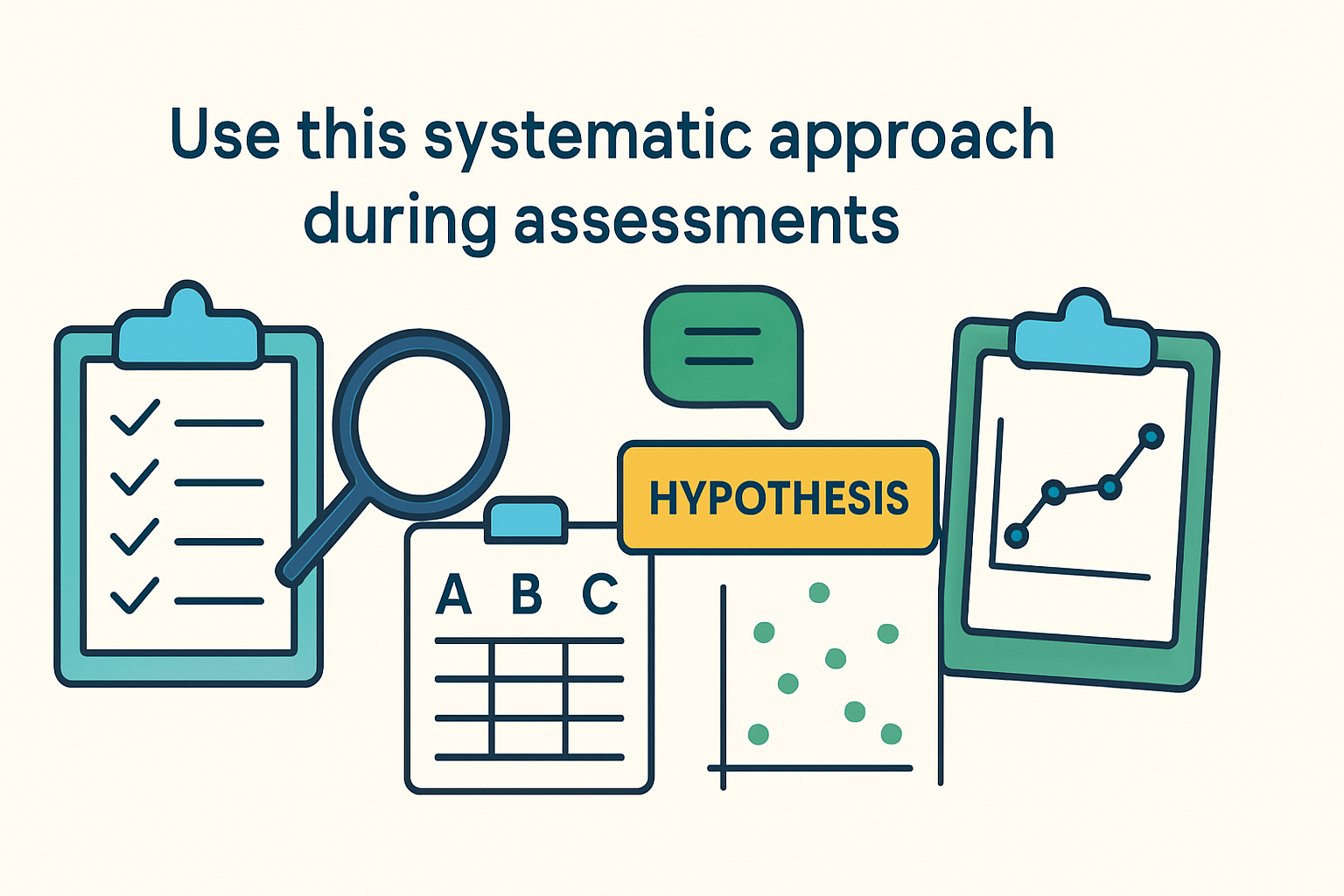
Use this systematic approach during assessments:
- Record detailed ABC data across multiple occurrences
- Note whether behavior occurs in alone conditions
- Observe if behavior consistently follows specific antecedent events
- Document the immediate consequence that follows the behavior
- Test hypotheses through environmental manipulation
- Consider competing functions when patterns are unclear
- Verify through functional analysis when possible
Summary and Next Steps for Your Studies
Mastering behavioral functions is essential for effective assessment and intervention design. This knowledge forms the foundation for developing function-based treatments that address the root cause rather than just the symptoms of challenging behavior.
For further study, explore Functional Behavior Assessment methodologies and how to match interventions to identified functions. The Behavior Analyst Certification Board provides additional resources on assessment standards. Understanding functions also connects to broader topics like motivating operations and stimulus control, which are frequently tested on the BCBA exam.
Remember that accurate function identification requires careful observation, systematic data collection, and hypothesis testing. Practice analyzing scenarios from multiple perspectives to strengthen your clinical decision-making skills.



