

frequency data collection: What is Frequency Data in ABA?
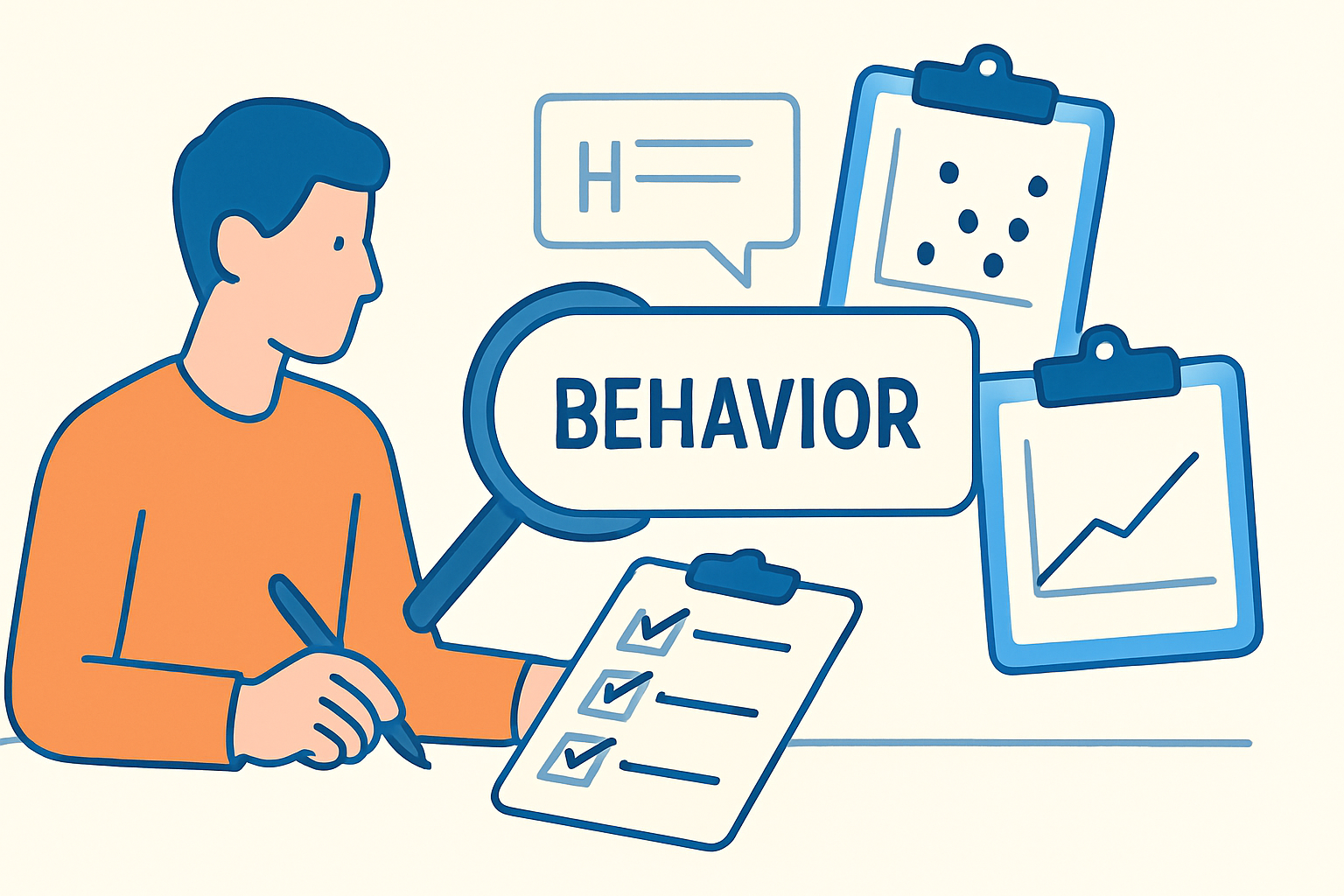
Frequency data collection represents one of the most fundamental measurement procedures in applied behavior analysis. This method involves simply counting how many times a specific behavior occurs during a defined observation period.
Table of Contents
- frequency data collection: What is Frequency Data in ABA?
- Applying Frequency Data: Worked Examples from Practice
- Frequency Data on the BCBA Exam: Relevance and Common Traps
- Your Frequency Data Implementation Checklist
- Summary and Key Takeaways
Understanding this measurement approach is essential for both clinical practice and exam success.
The Formal Definition and Key Characteristics
Frequency refers to the raw count of behavior occurrences. It’s important to distinguish this from rate data, which divides the count by time. While frequency gives you the total number, rate provides information about how often the behavior occurs per unit of time.
Key characteristics include:
- Simple counting without time calculations
- Requires clear operational definitions of the target behavior
- Best for discrete behaviors with obvious start and end points
- Does not account for observation duration variations
When to Choose Frequency Over Other Measures
Select frequency data collection when you need a straightforward count of behavior occurrences. This method works particularly well for behaviors that are brief in duration and occur at moderate rates.
Consider frequency when:
- Establishing initial baselines for new behaviors
- Tracking acquisition skills like correct responses
- Measuring behaviors with clear onset and offset
- Working within consistent observation periods
Applying Frequency Data: Worked Examples from Practice
Let’s examine three practical scenarios demonstrating how frequency data collection integrates with ABC analysis and functional assessment.
Example 1: Hand Raising in a Classroom Setting
In this classroom intervention, we track appropriate attention-seeking behavior. The operational definition: “Student raises hand with elbow bent at 90 degrees, fingers extended, and maintains position until acknowledged.”
During a 30-minute math lesson, the behavior analyst records:
- Antecedent: Teacher poses question to class
- Behavior: Student raises hand (counted once per occurrence)
- Consequence: Teacher calls on student
- Hypothesized function: Access to adult attention
Frequency data shows 8 hand raises during the session, providing a baseline measure for intervention planning.
Example 2: Vocal Stereotypy During Independent Work
This example addresses escape-maintained behavior. The operational definition: “Any non-contextual vocalization lasting 2 seconds or longer, including humming, scripting, or repetitive sounds.”
During a 15-minute independent work period:
- Antecedent: Difficult academic task presented
- Behavior: Vocal stereotypy occurs (counted per instance)
- Consequence: Brief break from task demands
- Hypothesized function: Escape from academic demands
The frequency count of 12 occurrences helps identify when escape behaviors peak during challenging tasks.
Example 3: Peer Interactions on the Playground
This social skills intervention tracks prosocial behaviors. Operational definition: “Student initiates verbal interaction with peer within 3 feet, including questions, comments, or invitations to play.”
During 20-minute recess periods:
- Antecedent: Peer proximity with shared toy
- Behavior: Social initiation (counted per attempt)
- Consequence: Peer responds positively
- Hypothesized function: Access to social interaction
Frequency data across multiple sessions shows improvement from 2 to 8 initiations, demonstrating social skill acquisition.
Frequency Data on the BCBA Exam: Relevance and Common Traps
The BCBA exam frequently tests your ability to select appropriate measurement procedures. Understanding when to use frequency data versus other methods is crucial for exam success.
Spotting the Right Measurement Procedure in Vignettes
Exam questions often present clinical scenarios requiring you to choose the best data collection method. Look for these keyword clues indicating frequency is appropriate:
- “How many times did the behavior occur?”
- “Count the number of responses”
- “Over the entire session” (without time pressure)
- “Discrete trial responses” or “correct responses”
- Behaviors with clear start and stop points
When questions mention “per minute” or include time calculations, they’re typically testing rate data rather than simple frequency.
Pitfalls to Avoid: Misapplication and Misinterpretation
Common exam traps involve incorrect application of frequency data. Watch for these errors:
- Using frequency for continuous behaviors without clear boundaries
- Failing to standardize observation times when comparing sessions
- Confusing frequency with percentage data (which requires opportunity counts)
- Applying frequency to behaviors with extended durations where duration recording would be better
- Not establishing clear operational definitions before counting
Remember that frequency alone doesn’t account for observation time variations. For sessions of different lengths, convert to rate for accurate comparisons.
Your Frequency Data Implementation Checklist
Use this practical checklist to ensure accurate frequency data collection in both clinical practice and exam scenarios:
- Define the target behavior with clear operational criteria
- Ensure the behavior has discrete boundaries (clear start/stop)
- Establish consistent observation periods for comparison
- Use a reliable counting method (tally marks, clicker, app)
- Record the raw count without time calculations
- Note any environmental variables affecting occurrence
- Convert to rate data if observation times vary
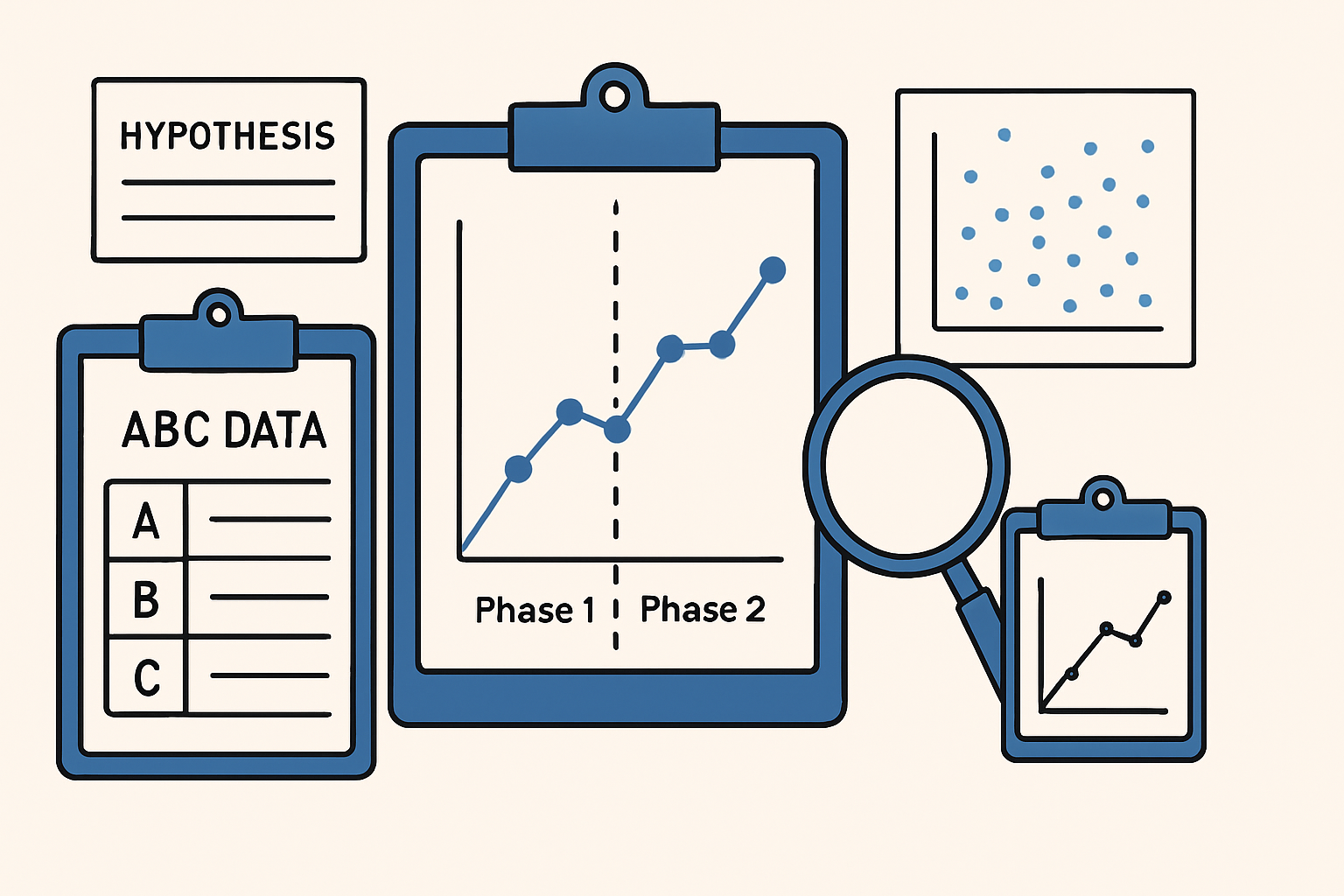
- Graph results to visualize behavioral trends over time
For comprehensive data collection strategies, explore our guide on data collection methods in ABA.
Summary and Key Takeaways
Frequency data collection remains a cornerstone measurement procedure in applied behavior analysis. Its simplicity makes it ideal for tracking discrete behaviors during consistent observation periods.
Key points to remember:
- Frequency is a raw count of behavior occurrences
- Best suited for discrete behaviors with clear boundaries
- Requires conversion to rate data when observation times vary
- Essential for establishing initial baselines and tracking acquisition
- Common exam errors involve misapplication to continuous behaviors
For additional measurement strategies, review our resources on graphing and visual analysis and single-subject designs.
Mastering frequency data collection strengthens both your clinical practice and exam performance by ensuring you select appropriate measurement procedures based on behavioral characteristics and assessment goals.


