

A free operant preference assessment is a fundamental tool in applied behavior analysis for identifying potential reinforcers. This assessment method involves observing a client’s interaction with freely available items in an unstructured environment. Unlike trial-based methods, it provides valuable data about natural preferences without artificial constraints.
Table of Contents
- What is a Free Operant Preference Assessment?
- Conducting the Assessment: A Step-by-Step Guide
- Free Operant Preference Assessment in Practice: Worked Examples
- BCBA Exam Focus and Common Pitfalls
- Quick Implementation Checklist
- Summary and Key Takeaways
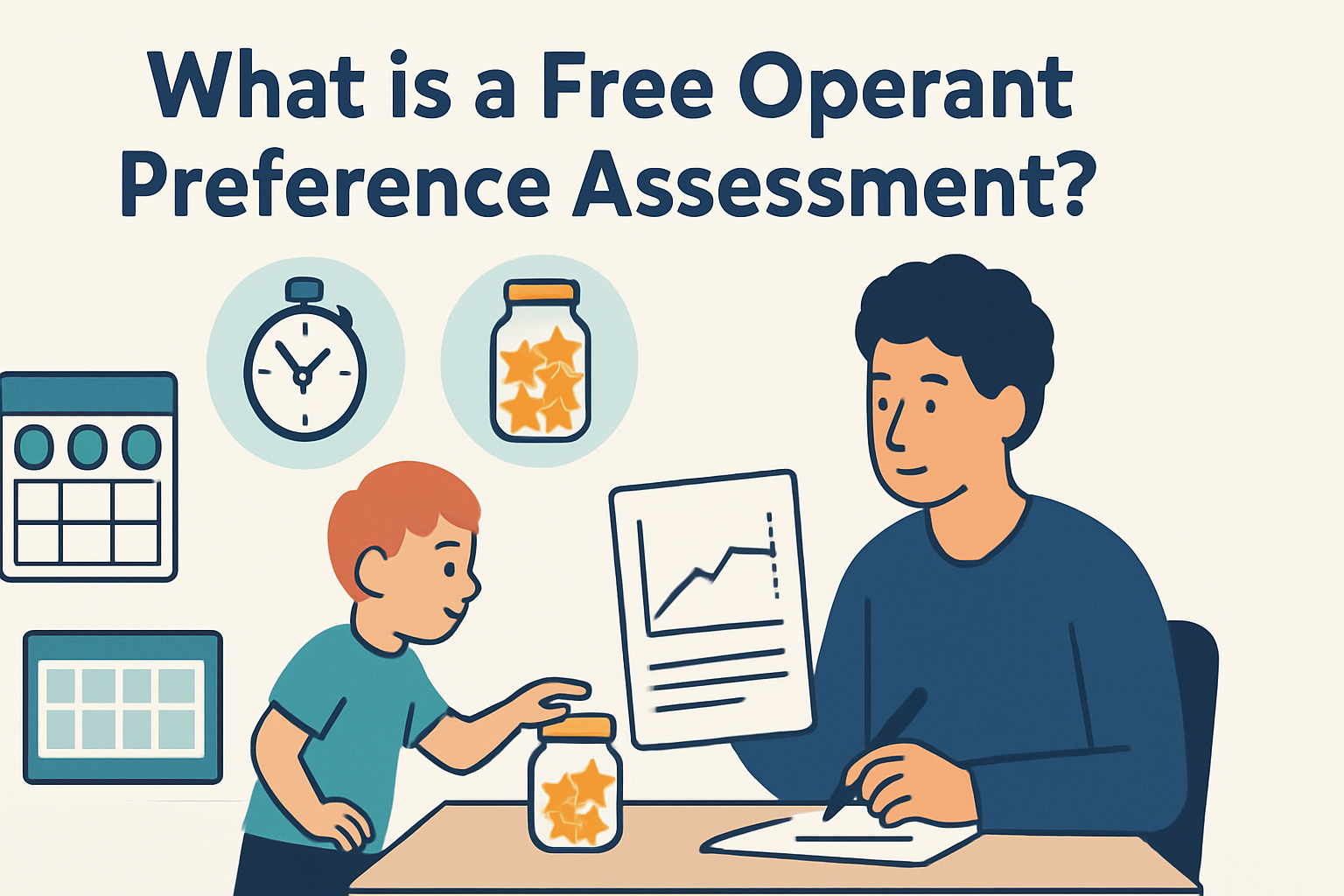
What is a Free Operant Preference Assessment?
This assessment technique measures a client’s approach behavior toward multiple items that are simultaneously available. The primary purpose is to identify stimuli that may function as effective reinforcers for future interventions.
Core Definition and Purpose
A free operant preference assessment involves placing several items in a neutral environment and allowing the client to interact with them freely. The assessor measures engagement duration or approach frequency without presenting or removing items. This method is particularly useful for identifying automatic reinforcement sources and natural preferences.
How It Differs from Other Assessments
Free operant assessments differ significantly from other preference assessment methods:
- Forced-choice assessments require the client to select between two presented items
- MSWO (Multiple Stimulus Without Replacement) involves sequential presentation and removal of items
- Multiple-stimulus with replacement maintains all items throughout trials
- Free operant methods feature concurrent access to all items without therapist intervention
Conducting the Assessment: A Step-by-Step Guide
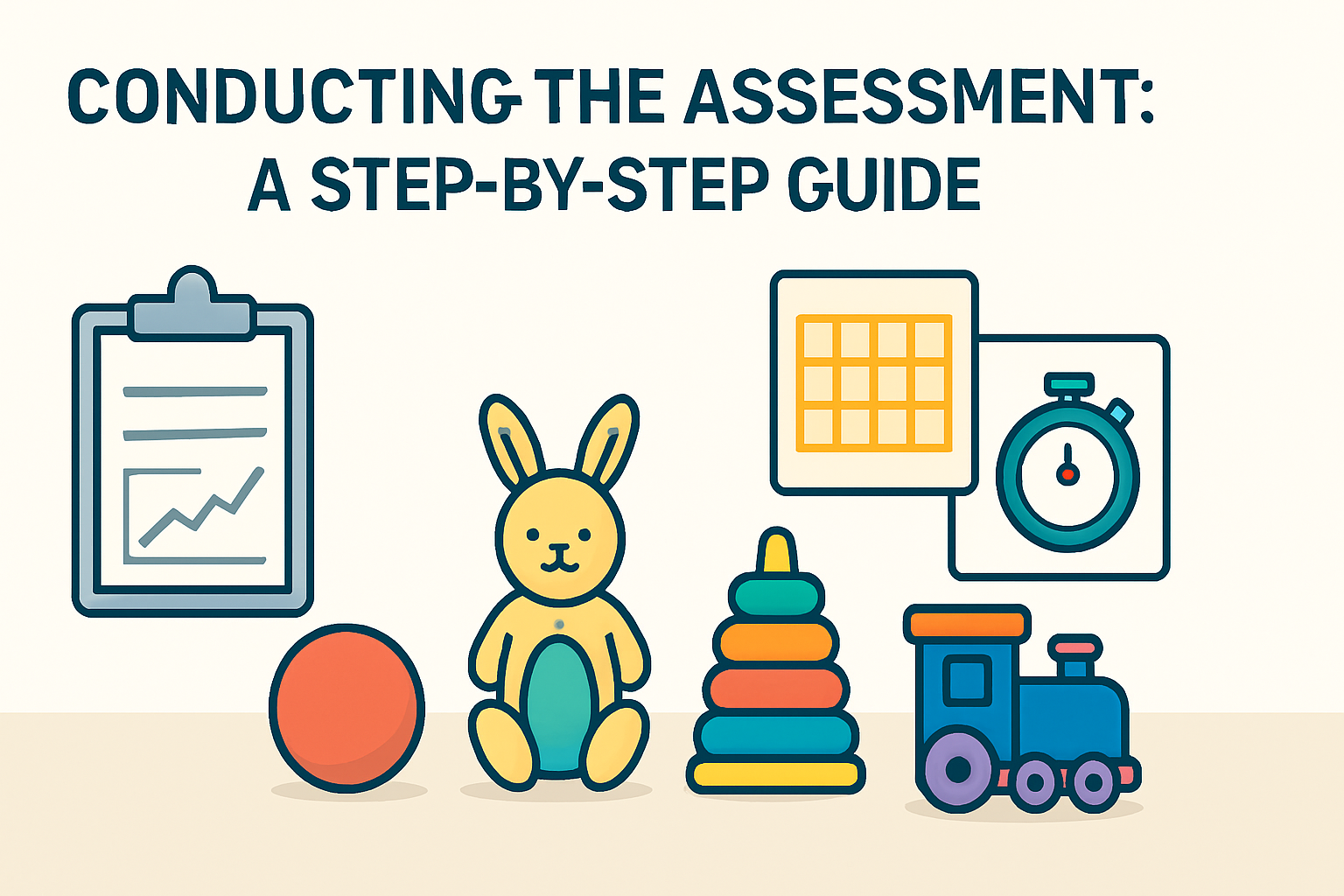
Proper implementation requires careful planning and systematic data collection. Follow these steps for accurate results.
Setting Up the Environment
Create a neutral space with 3-5 items arranged equidistantly. Ensure safety considerations are addressed and remove any distracting stimuli. Typical observation periods range from 5-10 minutes, though this can be adjusted based on the client’s characteristics.
Data Collection and Measurement
Define engagement operationally before beginning. Common measurement dimensions include:
- Duration of engagement (total time interacting with each item)
- Frequency of approaches (number of times client moves toward each item)
- Latency to approach (time between session start and first interaction)
- Percentage of intervals with engagement during momentary time sampling
Free Operant Preference Assessment in Practice: Worked Examples
These practical examples demonstrate how free operant assessments reveal important behavioral patterns and potential reinforcers.
Example 1: Classroom Setting (Tangible/Automatic Reinforcement)
A 7-year-old child with autism has access to blocks, a tablet, and picture books in a play area. During a 10-minute observation:
- Antecedent: Items freely available in classroom play area
- Behavior: Child approaches tablet immediately, engages for 8 minutes total
- Consequence: Continued access to tablet without interruption
The data suggests the tablet provides automatic reinforcement through visual and auditory stimulation. This information helps develop effective reinforcement contingencies for skill acquisition programs.
Example 2: Clinic Session (Potential for Escape)
A teenager in a clinic setting has a work task available alongside three leisure items (puzzle, drawing materials, music player):
- Antecedent: Work task and leisure items simultaneously available
- Behavior: Client approaches drawing materials, avoids work area entirely
- Consequence: Avoids work demands while accessing preferred activity
This pattern suggests negative reinforcement through escape from demands. The assessment reveals that drawing materials may maintain escape-maintained behavior, crucial information for intervention planning. For more on reinforcement types, see our guide on negative reinforcement in ABA.
BCBA Exam Focus and Common Pitfalls
Understanding free operant assessments is essential for BCBA exam success. Be prepared for questions testing your knowledge of implementation and interpretation.
Key Terms You Must Know
- Free operant: Behavior that occurs freely in the environment without discrete trials
- Approach behavior: Movement toward or initiation of interaction with an item
- Concurrent operants: Multiple response options available simultaneously
- Contrived vs. naturalistic observation: Structured assessment vs. natural environment observation
- Duration measurement: Recording total time engaged with each stimulus
Frequent Exam Traps and Distractors
Watch for these common mistakes in exam questions:
- Confusing free operant with trial-based methods that involve item presentation
- Selecting answers where the therapist removes items during assessment
- Forgetting that assessments can identify stimuli maintaining problem behavior
- Misidentifying the primary measured dimension (duration vs. frequency vs. latency)
- Overlooking that free operant assessments work best for identifying automatic reinforcement sources
Quick Implementation Checklist
Use this checklist to ensure proper free operant preference assessment implementation:
- Select 3-5 potentially preferred items based on caregiver report or previous observations
- Arrange items in a neutral environment with equal access to all stimuli
- Define operational definitions for engagement and approach behaviors
- Choose appropriate measurement system (duration, frequency, or interval recording)
- Set observation timer for 5-10 minutes based on client characteristics
- Record data without interfering with natural interaction patterns
- Calculate and graph results to identify high-preference items
- Validate findings through subsequent reinforcer testing in skill acquisition
For comprehensive assessment strategies, explore our preference assessments guide.
Summary and Key Takeaways
Free operant preference assessments provide valuable data about natural preferences without artificial constraints. Key points to remember:
- This method involves concurrent access to multiple items without therapist presentation or removal
- Primary measurements include duration of engagement and approach frequency
- Assessments can reveal stimuli maintaining both appropriate behavior and problem behavior
- Results help identify potential reinforcers for skill acquisition programs
- Proper implementation requires clear operational definitions and systematic data collection
- Free operant methods are particularly effective for identifying automatic reinforcement sources
For authoritative information on assessment standards, refer to the BACB Ethics Code and research on preference assessment methodologies.


