
Cost Benefit Analysis ABA: Defining Cost-Benefit Analysis for Behavior Analysts
Every ethical behavior analyst faces decisions about intervention selection that balance effectiveness with potential risks. A systematic cost-benefit analysis provides the framework for these critical choices. This process involves comparing potential positive outcomes against possible negative consequences before implementing any procedure.
Table of Contents
- Cost Benefit Analysis ABA: Defining Cost-Benefit Analysis for Behavior Analysts
- Applying Cost-Benefit Analysis: Worked ABA Examples
- Cost-Benefit Analysis on the BCBA Exam
- Your Quick-Reference Cost-Benefit Checklist
- Summary and Key Takeaways
- References
The Core Definition and Purpose
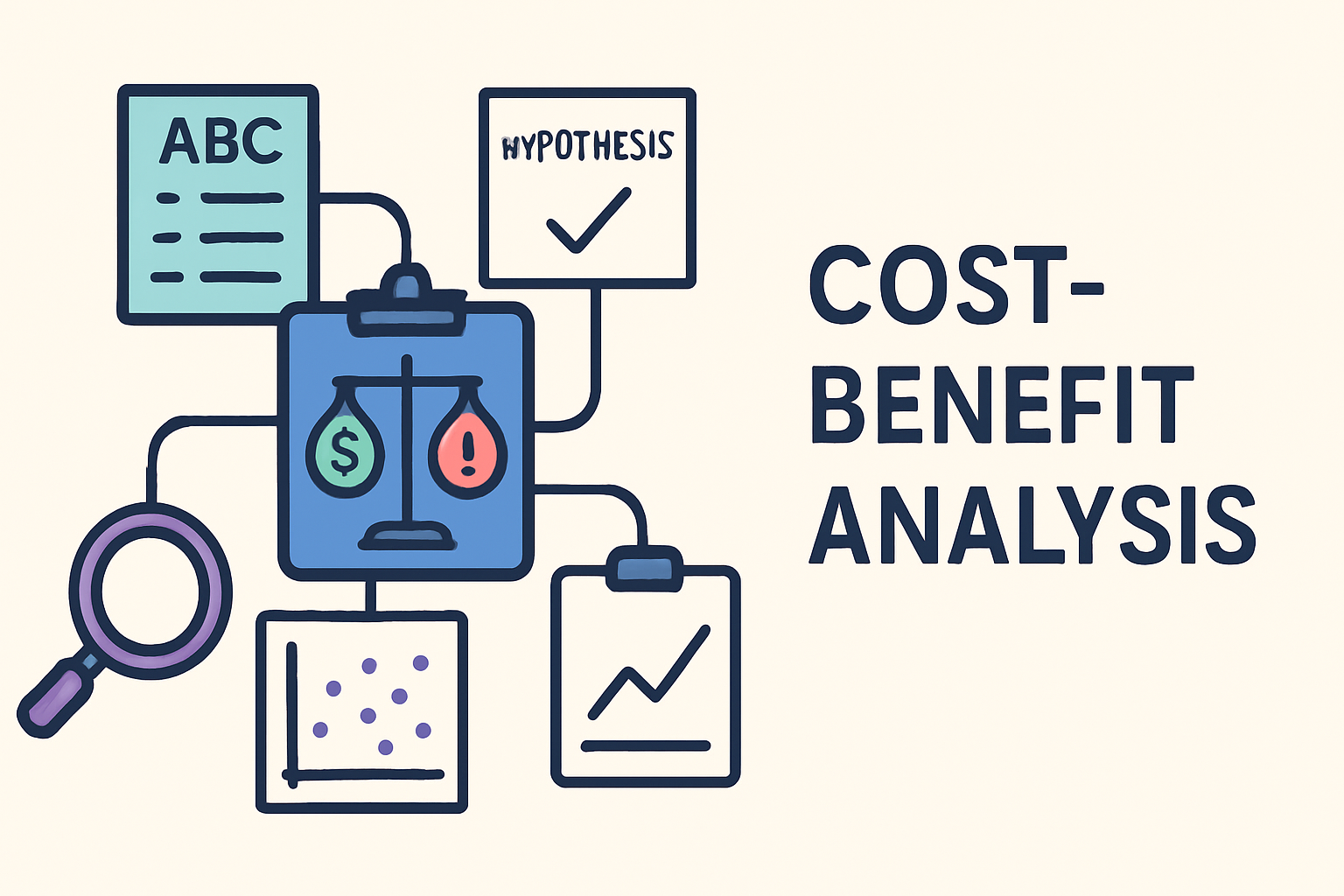
In applied behavior analysis, cost-benefit analysis represents a structured evaluation of intervention options. The benefits include anticipated improvements in client functioning, skill acquisition, and quality of life. The costs encompass potential risks, side effects, restrictiveness, and resource requirements.
This analytical approach directly supports the ethical principles of beneficence (doing good) and nonmaleficence (avoiding harm). By systematically weighing these factors, behavior analysts can select interventions that maximize positive outcomes while minimizing potential harm.
Why It’s Non-Negotiable in Ethical Practice
The BACB Ethics Code explicitly requires this type of analysis. Section 2.09 mandates that behavior analysts select interventions based on scientific evidence and a consideration of risks and benefits. Section 4.07 emphasizes using the least restrictive procedures available.
- Client dignity and autonomy must be preserved throughout intervention planning
- Stakeholder perspectives including family preferences and cultural values must be considered
- Procedural restrictiveness should be minimized while maintaining effectiveness
- Resource allocation including staff time and training requirements must be evaluated
Applying Cost-Benefit Analysis: Worked ABA Examples
Let’s examine how this analysis works in real clinical scenarios. Each example includes ABC data and a hypothesized function to ground the decision-making process.
Example 1: Addressing Elopement in a School Setting
Scenario: A 7-year-old student frequently elopes from the work area to access hallway sensory toys. ABC data shows the behavior occurs during difficult academic tasks and results in access to preferred sensory items. The hypothesized function is automatic reinforcement through sensory stimulation.
Option A: Response cost procedure (removing tokens for elopement)
- Potential benefits: Rapid reduction in elopement frequency
- Potential costs: Reduced rapport with student, ethical concerns about punishment procedures, possible emotional side effects
- Restrictiveness level: High due to aversive components
Option B: Differential reinforcement with scheduled access
- Potential benefits: Teaches waiting skills, maintains positive rapport, less restrictive approach
- Potential costs: Requires more staff training, slower initial behavior reduction
- Restrictiveness level: Low, focusing on reinforcement rather than punishment
Example 2: Reducing Hand Mouthing for an Adult Client
Scenario: An adult client engages in hand mouthing maintained by automatic reinforcement, creating hygiene and safety concerns. The behavior occurs most frequently during unstructured time.
Option A: Competing items with response interruption
- Potential benefits: Immediate reduction in mouthing, teaches alternative behaviors
- Potential costs: Potential increase in other challenging behaviors, requires high staffing ratios
- Client dignity: May feel intrusive if not implemented sensitively
Option B: Protective equipment with reinforcement schedule
- Potential benefits: Immediate safety protection, allows for skill teaching without risk
- Potential costs: Potential stigmatization, may reduce motivation for alternative skill development
- Social validity: Family concerns about appearance in community settings
Cost-Benefit Analysis on the BCBA Exam
The BCBA examination frequently tests your ability to apply cost-benefit analysis to novel scenarios. Understanding common exam traps and practicing with realistic prompts is essential for success.
Common Exam Traps and How to Avoid Them
Many candidates stumble on these predictable patterns. Recognizing them can improve your exam performance significantly.
- Monetary focus: Remember that ‘cost’ includes risks, effort, and restrictiveness, not just financial expense
- Effectiveness bias: The most effective procedure may have unacceptable side effects or ethical concerns
- Stakeholder omission: Forgetting to include client, family, and staff perspectives in benefit calculations
- Short-term thinking: Focusing only on immediate behavior reduction rather than long-term skill development
- Cultural blindness: Overlooking how interventions align with client values and cultural background
Sample Exam-Style Practice Prompts
Try applying your analysis skills to these typical exam questions:
Prompt 1: A child engages in property destruction during transitions. The functional analysis indicates escape-maintained behavior. Which intervention would a cost-benefit analysis most likely support?
- A) Time-out from positive reinforcement
- B) Escape extinction with physical guidance
- C) Functional communication training with choice-making
- D) Response cost for property destruction
Prompt 2: List three potential costs and three potential benefits of implementing a token economy system in a classroom setting for students with developmental disabilities.
Your Quick-Reference Cost-Benefit Checklist
Use this step-by-step guide for consistent ethical decision-making in your practice and exam preparation.
- Step 1: Define the target behavior with clear operational definitions and baseline data
- Step 2: Identify the function through functional assessment procedures
- Step 3: Generate intervention options based on evidence-based practices
- Step 4: List potential benefits including skill acquisition, safety improvements, and quality of life enhancements
- Step 5: Identify potential costs such as side effects, restrictiveness, and resource requirements
- Step 6: Consider stakeholder perspectives including client preferences and family values
- Step 7: Evaluate social validity and cultural appropriateness of each option
- Step 8: Select the least restrictive effective intervention based on your analysis
- Step 9: Monitor implementation and adjust based on ongoing data collection
- Step 10: Document your decision-making process for accountability and supervision
Summary and Key Takeaways
Cost-benefit analysis represents a cornerstone of ethical ABA practice. This systematic approach ensures interventions balance effectiveness with potential risks while respecting client dignity and autonomy. The process directly supports compliance with the BACB Ethics Code and promotes evidence-based decision-making.
For BCBA candidates, mastering this analytical framework is essential for both exam success and clinical competence. Practice applying the checklist to various scenarios, and remember that ethical practice often means choosing interventions that may be slightly less effective but significantly more respectful and sustainable. As you develop your skills, this approach will become an automatic part of your clinical reasoning process, guiding you toward interventions that truly benefit clients while minimizing potential harm.
For further study of related concepts, explore our guide to trials-to-criterion analysis and other decision-making frameworks in behavior analysis.


