

Inclusive Practice ABA: Defining Inclusive Practice for Behavior Analysts
In applied behavior analysis, inclusive practice extends far beyond physical accessibility. It represents a comprehensive ethical framework that ensures meaningful participation, respects client dignity, and responds to individual needs across cultural, preference, and learning history dimensions.
Table of Contents
- Inclusive Practice ABA: Defining Inclusive Practice for Behavior Analysts
- Applied Examples: Inclusive Practice in Action
- Exam Relevance and Common Traps
- Quick-Reference Checklist for Practice and Study
- Final Summary and Next Steps
This approach aligns directly with multiple sections of the BACB Ethics Code, particularly Sections 1.07 (Cultural Responsiveness and Diversity), 2.09 (Considering Biological/Medical Variables), and 4.07 (Environmental Conditions that Interfere with Implementation).
Beyond Physical Access: The Core Components
True inclusive practice in ABA involves several interconnected components that behavior analysts must actively implement:
- Meaningful participation – Ensuring clients actively engage in goal-setting and intervention decisions
- Respect for client dignity – Maintaining professional boundaries while honoring personal autonomy
- Cultural responsiveness – Adapting interventions to align with cultural values and practices
- Individualized programming – Tailoring approaches based on unique learning histories and preferences
- Collaborative partnerships – Working with clients, families, and other professionals as equal team members
Inclusive Practice vs. Related Concepts on the Exam
Understanding distinctions between related concepts prevents confusion on test questions. Least restrictive environment focuses on placement decisions, while inclusive practice emphasizes participation quality. Generalization addresses skill transfer, whereas inclusive practice ensures skills are relevant across contexts. Social validity measures intervention acceptability, but inclusive practice actively incorporates stakeholder input throughout the process.

Applied Examples: Inclusive Practice in Action
Concrete scenarios illustrate how inclusive practice transforms standard ABA approaches into more ethical, effective interventions.
Example 1: Respecting Client Choice in Skill Acquisition
Consider teaching a teenager to prepare snacks. A non-inclusive approach might involve the provider selecting the specific snack, materials, and preparation steps based solely on skill sequence.
An inclusive approach embeds client choice throughout. The behavior analyst presents multiple snack options, allows selection of preferred utensils, and incorporates the client’s preferred preparation sequence when possible. ABC data might show decreased escape-maintained behavior and increased engagement when choice is embedded.
Example 2: Culturally Responsive Data Collection
A family’s religious observance requires specific prayer times that conflict with scheduled sessions. A rigid approach enforcing the original schedule demonstrates poor cultural responsiveness and violates ethical standards.
The inclusive behavior analyst collaborates with the family to adjust session timing, respecting their religious practices while maintaining intervention integrity. This aligns with Ethical Code 2.09 and demonstrates respect for cultural variables that affect implementation.
Exam Relevance and Common Traps
Inclusive practice concepts appear throughout the BCBA exam, often in subtle ways that test ethical decision-making alongside technical knowledge.
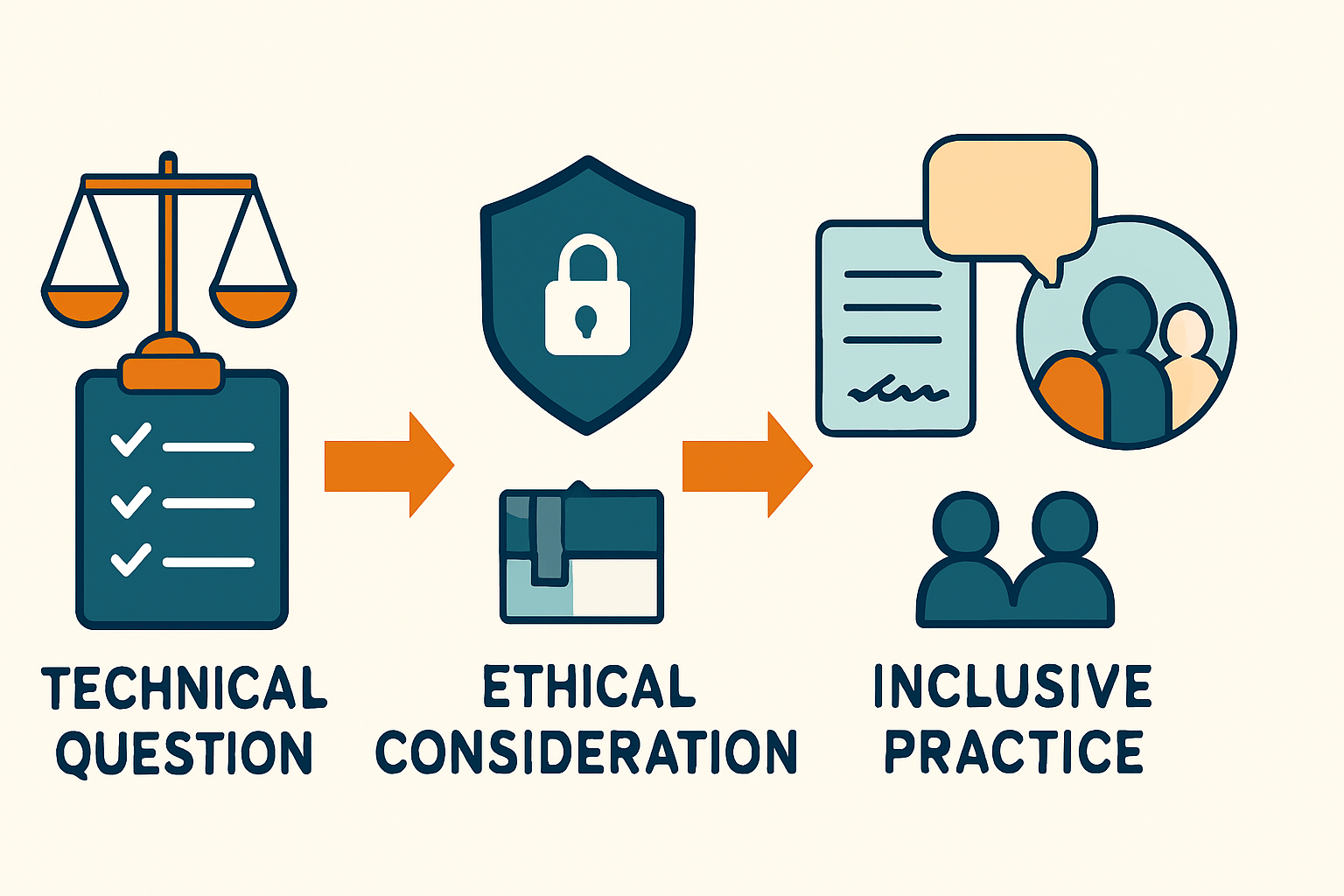
Spotting the “Technically Correct but Not Most Inclusive” Distractor
Exam questions frequently present interventions that are evidence-based but ignore client preference or cultural context. The correct answer often requires modifying the technically sound approach to incorporate stakeholder input or adjust for individual variables.
For example, a question might describe an effective DTT procedure that the client finds aversive. The most ethical answer typically involves adapting the procedure to increase acceptability while maintaining effectiveness.
Key Task List Links and Code References to Memorize
- Task List G-20: Use single-subject experimental designs to evaluate interventions
- Ethical Code 1.07: Cultural Responsiveness and Diversity
- Ethical Code 2.09: Considering Biological/Medical Variables
- Ethical Code 4.07: Environmental Conditions that Interfere with Implementation
- Task List F-2: Determine client’s cultural variables and preferences
Quick-Reference Checklist for Practice and Study
Use this actionable checklist to evaluate scenarios in practice and during exam preparation:
- Assess client preferences before finalizing intervention plans
- Incorporate cultural variables into assessment and programming
- Collaborate with stakeholders throughout the process
- Modify evidence-based procedures when needed for individual fit
- Measure social validity regularly and adjust accordingly
- Document adaptations made for inclusivity purposes
- Review ethical codes related to cultural responsiveness
- Seek supervision when cultural competence questions arise
Final Summary and Next Steps
Inclusive practice represents a fundamental ethical obligation for behavior analysts, not merely an optional enhancement. It requires active consideration of client dignity, cultural variables, and individual preferences throughout assessment, intervention, and evaluation phases.
For exam preparation, focus on understanding how ethical principles intersect with technical procedures. Practice identifying when technically correct approaches need modification for better cultural fit or increased acceptability. Review the BACB Ethics Code sections mentioned throughout this guide, particularly as they relate to cultural responsiveness and client dignity.
Remember that inclusive practice aligns with the broader goals of applied behavior analysis – creating socially significant behavior change that respects the whole person. By mastering these concepts, you’ll not only perform better on the exam but also become a more effective, ethical practitioner who truly serves diverse client populations.



