
What is Functional Behavior in ABA?
In applied behavior analysis, understanding behavior requires looking beyond what it looks like to discover why it occurs. Functional behavior refers to actions that serve a specific purpose for the individual, regardless of their outward appearance.
Table of Contents
- What is Functional Behavior in ABA?
- From Observation to Hypothesis: Worked Examples
- Functional Behavior on the BCBA Exam: Traps and Tips
- Summary: From Function to Ethical Intervention
Beyond Topography: Defining Function
Behavioral topography describes the physical form of behavior – what it looks like. Function explains why the behavior persists. A behavior is considered functional when it produces a meaningful consequence for the individual, typically falling into four categories: access to attention, escape from demands, access to tangible items, or automatic reinforcement (sensory experiences).
Why Function Matters for Assessment and Ethics
Identifying the function of behavior is the cornerstone of ethical and effective intervention. The BACB Ethics Code emphasizes using function-based interventions that address the underlying purpose rather than merely suppressing behavior. This approach aligns with the principle of least restrictive intervention and ensures treatment respects client dignity.
From Observation to Hypothesis: Worked Examples
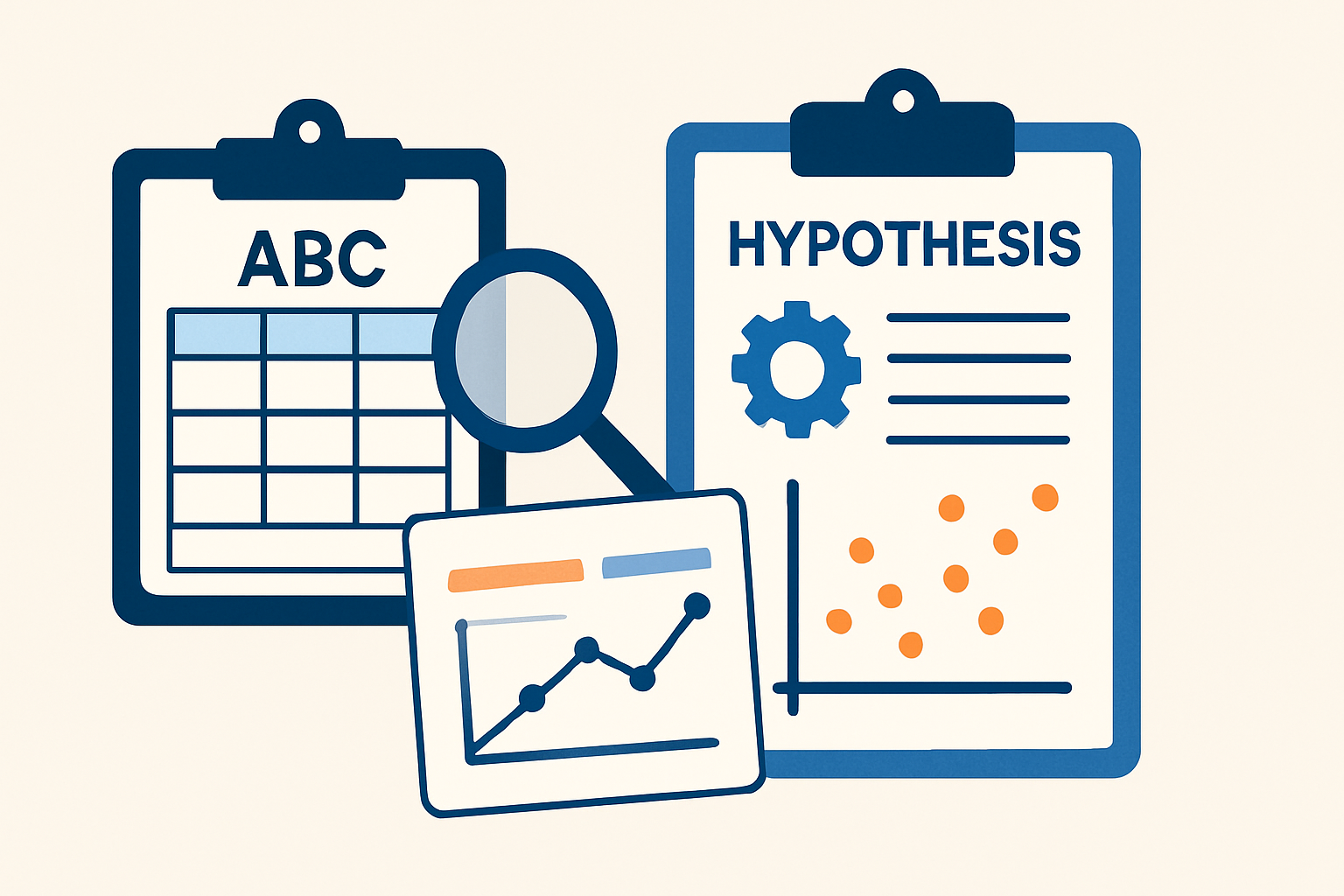
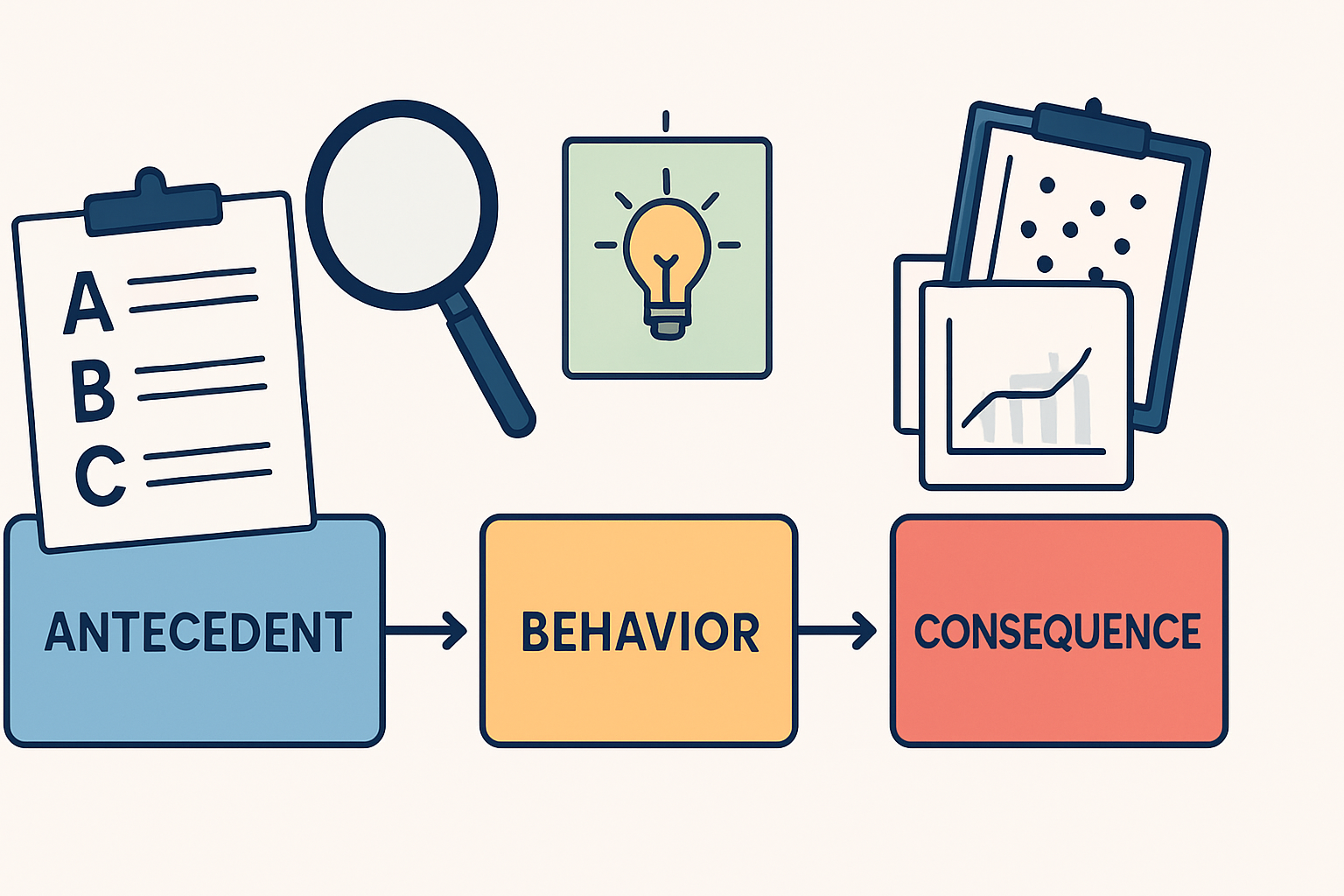
Let’s examine three common scenarios to illustrate how ABC analysis leads to functional hypotheses. Each example demonstrates the critical link between antecedent conditions, behavior, and maintaining consequences.
Example 1: Escape-Maintained Behavior in a Classroom
Consider a student presented with a challenging math worksheet (antecedent). The student tears the paper (behavior) and is sent to a calm-down corner (consequence). The function here is escape from demands – the behavior successfully removed the difficult task.
Example 2: Attention-Maintained Behavior During Play
A therapist attends to another child during playtime (antecedent). A different child hits the therapist (behavior), who responds with ‘Don’t hit!’ and turns attention to the child (consequence). This behavior functions to access adult attention.
Example 3: Automatic Reinforcement (Sensory)
In a loud, crowded environment (antecedent), an individual engages in hand-flapping (behavior). No observable social consequence follows, and the behavior continues even when alone. This suggests automatic reinforcement – the behavior provides sensory stimulation or modulation.
Functional Behavior on the BCBA Exam: Traps and Tips
Exam questions often test your ability to distinguish between topographical descriptions and functional analysis. Common errors include assuming function based on appearance rather than data analysis.
Common Exam Traps and Misconceptions
- Confusing topography with function: Assuming a behavior’s form indicates its purpose
- Assuming common functions without analyzing specific ABC data patterns
- Selecting interventions that address behavioral form rather than maintaining function
- Overlooking automatic reinforcement as a possible function
- Failing to consider multiple functions for the same behavior
Your Quick-Reference Functional Analysis Checklist
- Identify the immediate consequence following the target behavior
- Ask: ‘What did this behavior produce or remove for the individual?’
- Match to core functions using the SEAT framework (Sensory, Escape, Attention, Tangible)
- Select interventions that directly address the identified function
- Consider motivating operations that may alter the value of consequences
- Verify your hypothesis through functional analysis or experimental manipulation
Summary: From Function to Ethical Intervention
Understanding functional behavior transforms how we approach assessment and intervention in ABA. By focusing on why behaviors occur rather than just what they look like, we develop more effective, ethical, and client-centered treatment plans.
Effective intervention begins with accurate functional behavior assessment. This process involves systematic data collection, hypothesis testing, and implementation of function-based treatments. For comprehensive assessment strategies, see our guide on functional behavior assessment.
The BCBA exam emphasizes this functional approach across multiple content areas. Mastery requires understanding how to conduct functional analyses, interpret ABC data, and select appropriate interventions. For related concepts, explore our resources on four functions of behavior and automatic reinforcement.
Remember that ethical practice requires using the least restrictive interventions that address behavioral function. The BACB provides detailed guidance on ethical standards for behavior analysts. Additionally, peer-reviewed research from the Journal of Applied Behavior Analysis offers evidence-based approaches to functional assessment.
By mastering functional behavior concepts, you’ll not only excel on the BCBA exam but also develop the skills needed for effective, ethical practice that truly benefits clients and respects their individual needs and circumstances.



