
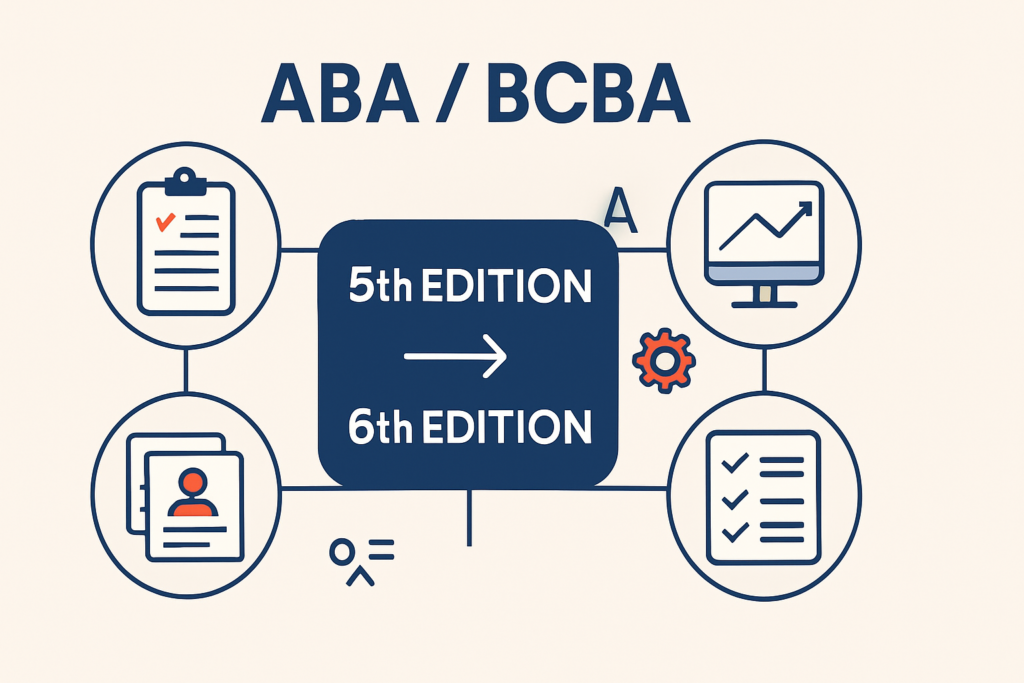
If you completed your coursework under the 5th Edition Task List but now face the 6th Edition exam, you’re navigating a significant transition. This guide provides practical strategies to bridge this gap effectively. The 5th Edition to 6th Edition transition represents more than just content reorganization—it reflects evolving professional standards and expectations.
Table of Contents
- 5th Edition to 6th Edition transition: Understanding the Core Shift: From 5th to 6th Editi
- Mapping Your 5th Edition Knowledge to 6th Edition Exam Domains
- Exam Strategy: Applying the 6th Edition Lens to Test Questions
- Final Preparation and Next Steps
- References
5th Edition to 6th Edition transition: Understanding the Core Shift: From 5th to 6th Editi
The fundamental changes between editions require strategic adjustment. The 6th Edition emphasizes different professional priorities and organizational structures.
Structural Changes: Domains, Content Areas, and Item Weight
The most visible change is the reorganization from 10 sections to 5 domains. This consolidation reflects a more integrated approach to practice. The Implementation domain now carries significantly more weight, emphasizing practical application skills.
Supervision content has expanded substantially, reflecting the growing importance of supervisory competencies in professional practice. Assessment and intervention content remains crucial but is now framed within broader contextual considerations.
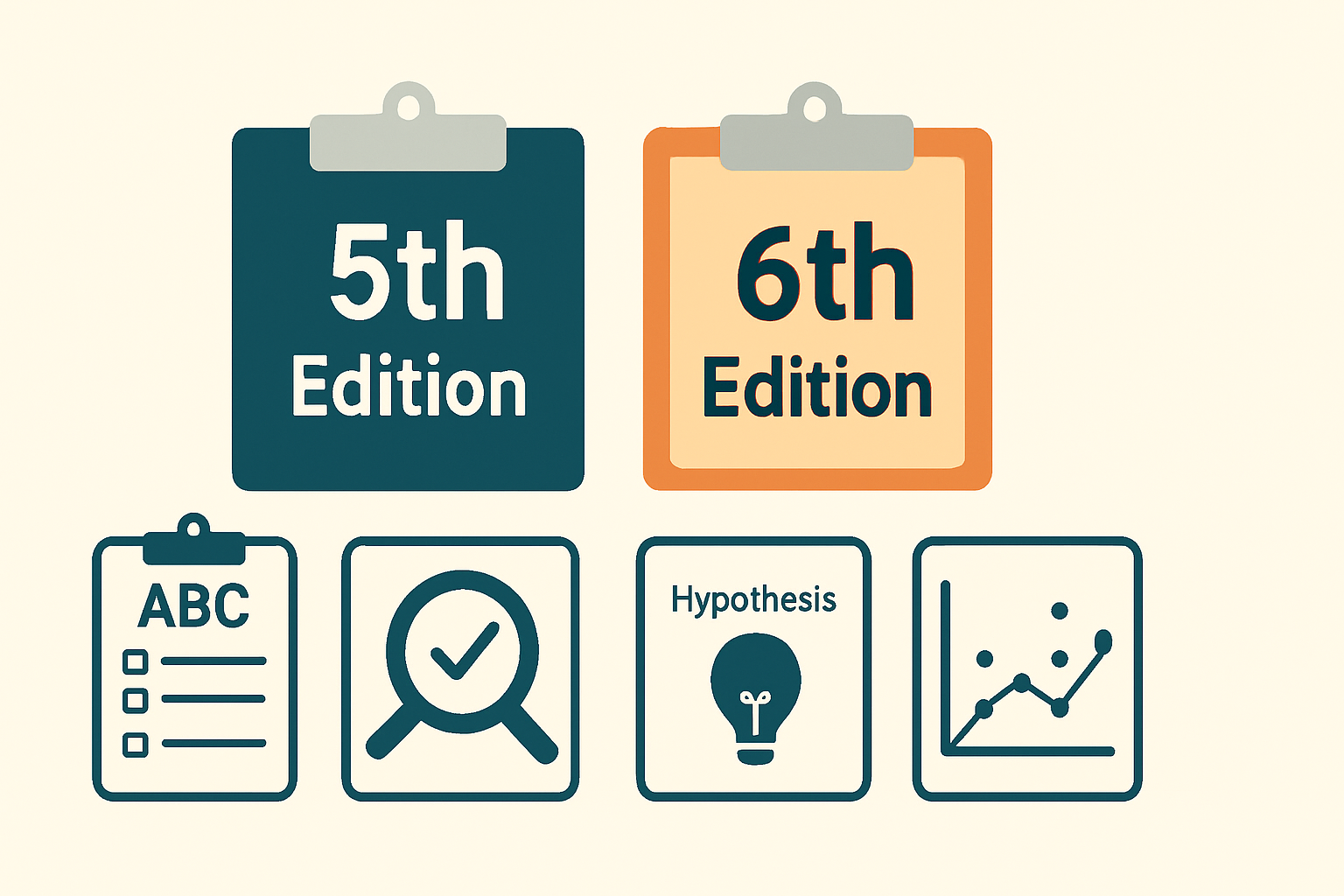
Philosophical Emphasis: What the 6th Edition Asks of You
The 6th Edition introduces heightened expectations for client-centered practice and cultural responsiveness. These aren’t entirely new concepts but represent a shift in emphasis and integration throughout all domains.
You’ll need to demonstrate understanding of systems-level analysis and how interventions fit within broader contexts. This includes considering family systems, organizational structures, and community resources when designing and implementing behavior change programs.
Mapping Your 5th Edition Knowledge to 6th Edition Exam Domains
Effective preparation requires systematic mapping of your existing knowledge to the new structure. This process identifies gaps and reinforces connections.
A Worked Example: Tracing a Concept Across Editions
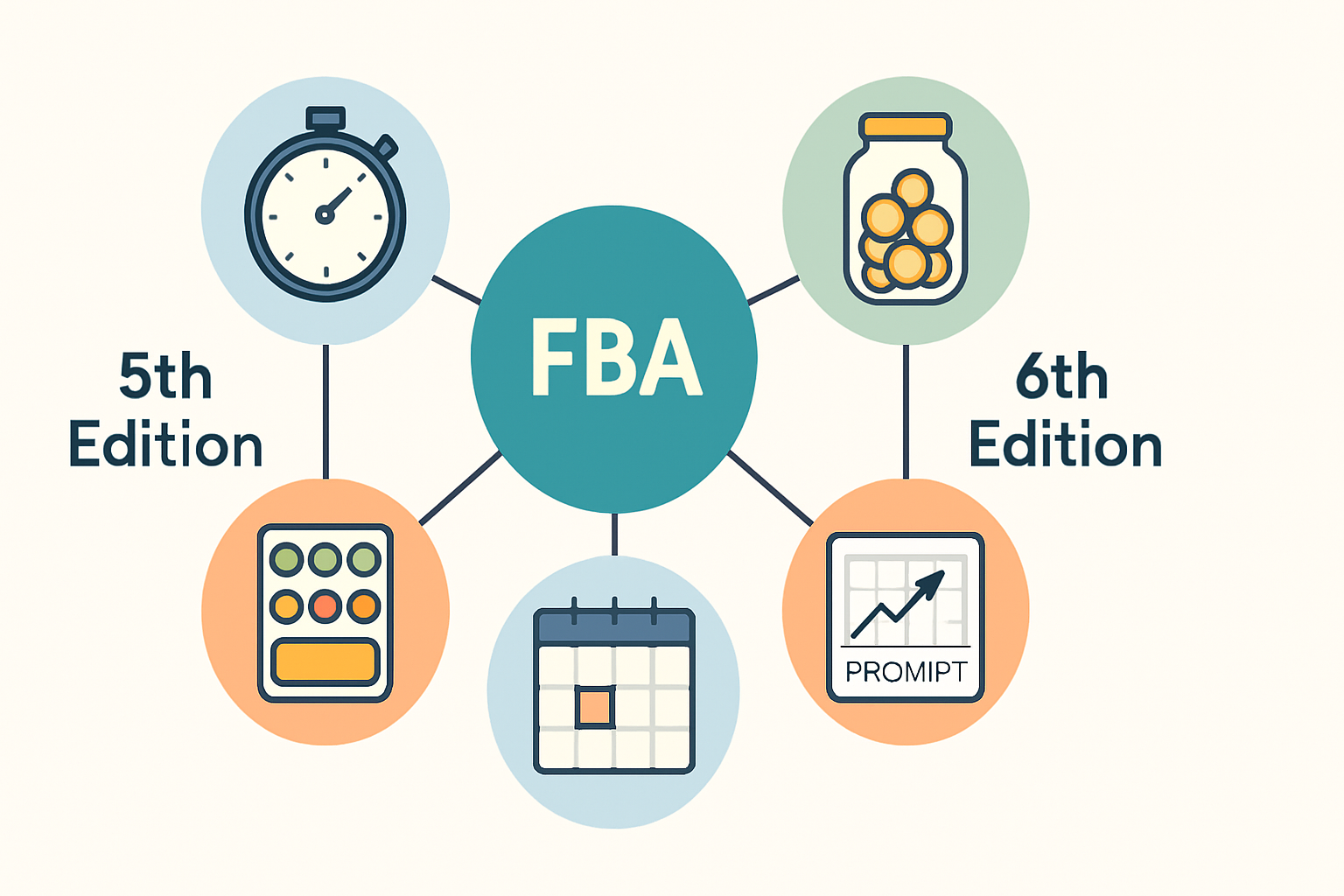
Consider Functional Behavior Assessment (FBA). In the 5th Edition, this appeared primarily in Section 3 (Measurement, Data Display, and Interpretation) and Section 4 (Experimental Design). In the 6th Edition, FBA is integrated into Domain 2: Assessment.
The key difference lies in emphasis. While technical procedures remain important, the 6th Edition places greater weight on stakeholder collaboration throughout the assessment process. Questions may focus on obtaining assent, considering cultural factors in assessment design, or explaining procedures to caregivers in accessible language.
For comprehensive assessment strategies, review our guide on Functional Behavior Assessment which covers both technical and collaborative aspects.
Your Personal Gap Analysis Checklist
- Define all key terms in the 6th Edition Domains, particularly those related to supervision and cultural variables
- For each 5th edition section you know well, explain its role within the new 6th edition domains
- Assess your comfort level with the increased item count on Supervision and Implementation content
- Identify areas where you need to strengthen understanding of client dignity and assent procedures
- Review how ethical considerations integrate throughout all domains rather than being isolated
- Practice applying technical knowledge within broader contextual frameworks
Exam Strategy: Applying the 6th Edition Lens to Test Questions
Success requires more than content knowledge—you must apply the 6th Edition’s philosophical priorities to test questions.
Common Exam Traps for 5th-Edition-Trained Candidates
Candidates trained under the 5th Edition often fall into predictable traps. Recognizing these patterns is crucial for avoiding them.
- Over-relying on technical terminology without considering practical application contexts
- Missing questions that prioritize client dignity or cultural context as primary considerations
- Choosing answers reflecting 5th-edition priorities (pure effectiveness) over 6th-edition priorities (effectiveness + assent + dignity)
- Underestimating the importance of supervision protocols and staff training procedures
- Failing to consider systems-level impacts when evaluating intervention options
Practice Prompts to Rewire Your Thinking
Consider this sample question stem: ‘When designing a behavior intervention plan for a child with autism, what should be your FIRST consideration?’
A 5th-edition mindset might select ‘Identifying the most effective reinforcement schedule.’ A 6th-edition mindset would prioritize ‘Obtaining informed assent from the child and caregivers.’ The latter reflects the heightened emphasis on client rights and collaborative decision-making.
Another example: ‘What is the MOST important factor when selecting assessment tools?’ The 5th-edition answer might focus on psychometric properties, while the 6th-edition correct answer emphasizes ‘Cultural appropriateness and accessibility for the client.’
For more practice with 6th Edition questions, explore our BCBA Mock Exam 6th Edition resources.
Final Preparation and Next Steps
With strategic preparation, you can successfully bridge the gap between your 5th Edition education and 6th Edition exam requirements.
Begin by conducting a thorough gap analysis using the checklist above. Focus particularly on areas where the 6th Edition introduces new emphases or reorganizes content. Practice applying your existing knowledge through the 6th Edition’s philosophical lens.
Utilize official BACB resources, including the 6th Edition Task List and exam content outline. These documents provide the authoritative framework for understanding what will be tested. For detailed guidance on the 6th Edition structure, refer to our comprehensive BACB Task List 6th Edition guide.
Remember that the transition represents an evolution in professional standards. The 6th Edition emphasizes not just what you know, but how you apply that knowledge with ethical sensitivity, cultural awareness, and client-centered priorities. By approaching your preparation with this understanding, you’ll be well-positioned for success on the exam and in your future practice.



