
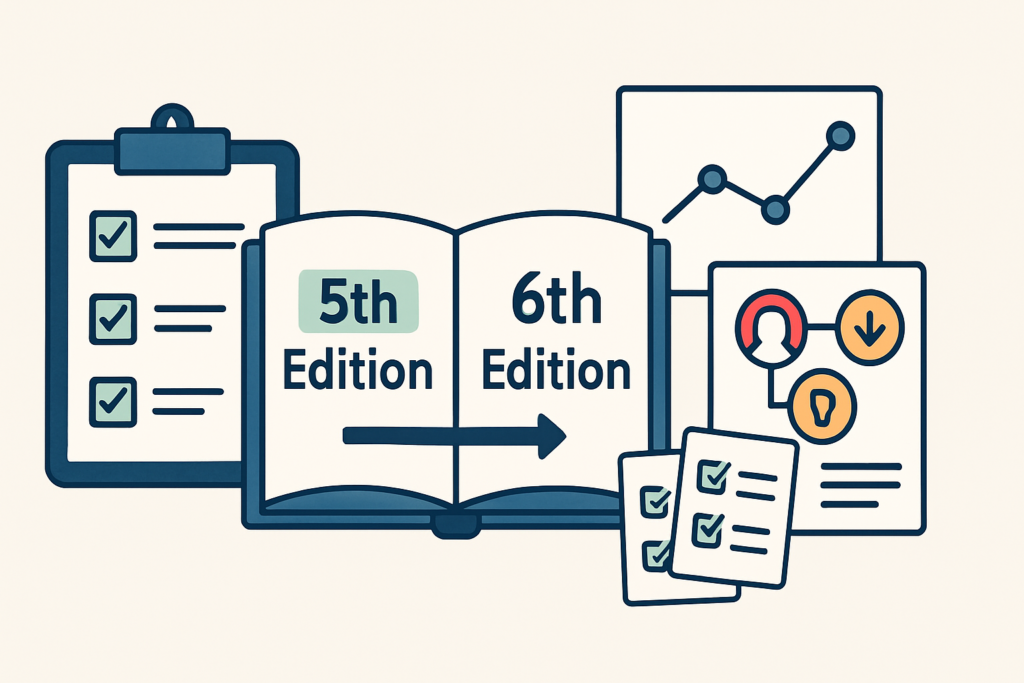
The transition from the BCBA 5th Edition to the 6th Edition Task List represents a significant evolution in behavior analyst certification requirements. Understanding the BCBA 5th to 6th Edition Crosswalk is essential for candidates preparing for their certification. This mapping document serves as your roadmap through the changes, ensuring you focus on current content while avoiding outdated material.
Table of Contents
- What is the BCBA 5th to 6th Edition Crosswalk?
- Key Changes and Their Exam Implications
- Strategic Study Using the Crosswalk
- Summary and Next Steps for Your Preparation
What is the BCBA 5th to 6th Edition Crosswalk?
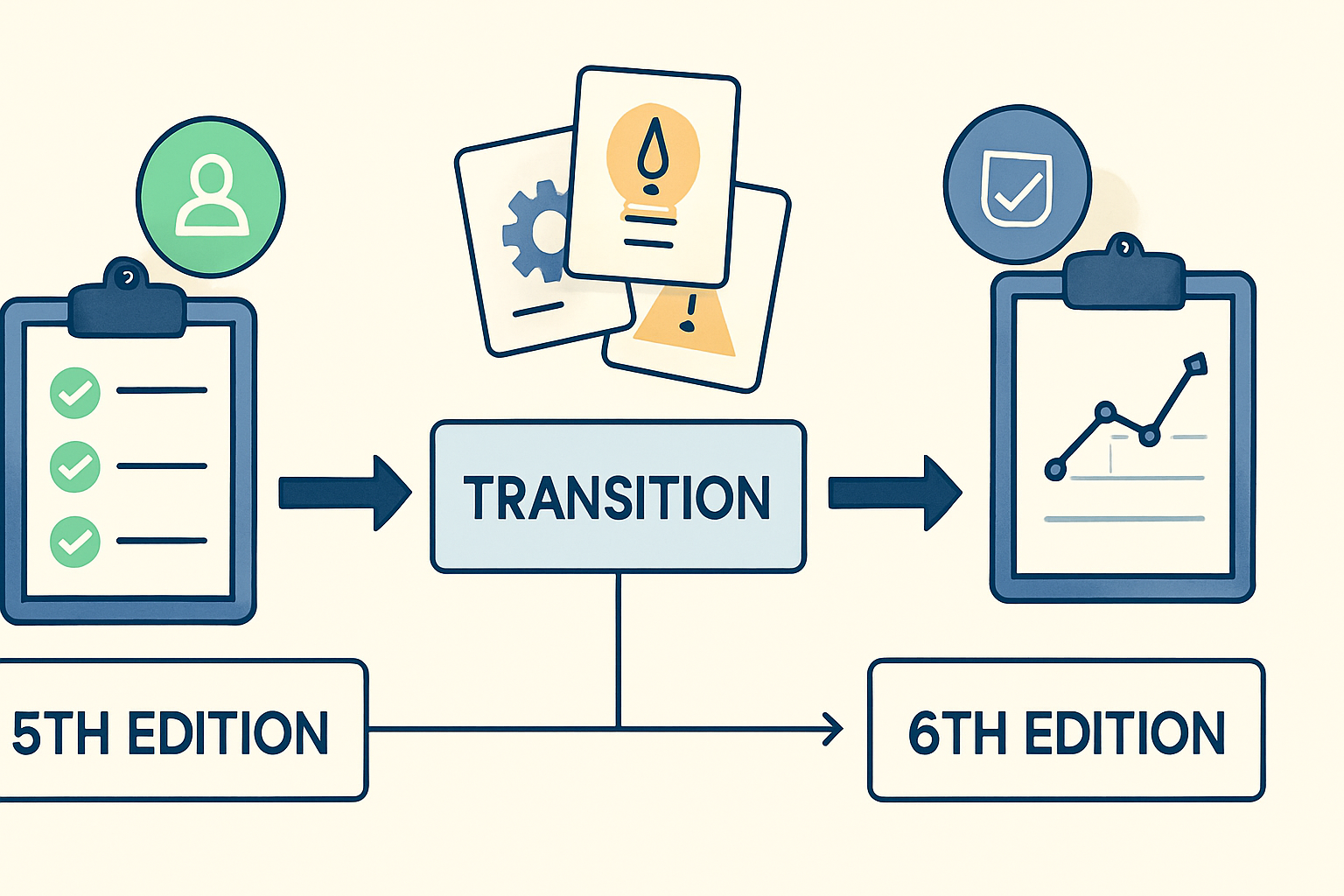
The crosswalk is an official mapping tool published by the Behavior Analyst Certification Board (BACB). It systematically aligns content between the two editions, showing where tasks moved, changed, or were removed entirely.
Official Purpose and Document Structure
This document serves as a transition guide rather than a standalone study resource. The typical format includes columns mapping 5th Edition tasks to their corresponding 6th Edition locations, with notes on modifications. Some items may be consolidated, expanded, or relocated to different domains.
Why This Document is Critical for Your Study Plan
Using the crosswalk prevents wasted study time on removed content while highlighting new emphasis areas. It helps identify obsolete topics and directs attention to enhanced competencies that now receive greater exam weight.
- Eliminates studying outdated 5th Edition material no longer tested
- Highlights newly added content requiring additional preparation
- Clarifies reorganized domains and their updated emphasis
- Provides clarity on task consolidation and redistribution
Key Changes and Their Exam Implications
The 6th Edition introduces substantial shifts in content organization and emphasis. Understanding these changes directly impacts your exam preparation strategy and potential question focus.
Major Content Area Shifts: A Thematic Analysis
Several domains received significant restructuring. The ethics section expanded considerably, with greater emphasis on cultural responsiveness and supervision competencies. Assessment and intervention domains now integrate more contemporary practices.
- Enhanced focus on supervision and mentoring skills
- Greater emphasis on cultural awareness in assessment and intervention
- Updated measurement and data analysis requirements
- Consolidation of some experimental design concepts
- Expanded coverage of verbal behavior applications
From Page to Problem: How Changes Might Appear on the Exam
Exam questions now reflect the updated emphasis areas. For example, you might encounter scenarios requiring culturally responsive assessment planning or ethical decision-making in supervisory contexts.
Consider this hypothetical exam scenario: “A behavior analyst is developing an intervention for a client from a cultural background different from their own. Which action demonstrates cultural responsiveness in assessment planning?” This reflects the 6th Edition’s increased emphasis on cultural competence.
Another example might involve supervision ethics: “When providing supervision to a newly certified RBT, what documentation is required to demonstrate competency-based supervision according to current standards?” These questions test the expanded supervisory competencies in the updated task list.
Strategic Study Using the Crosswalk
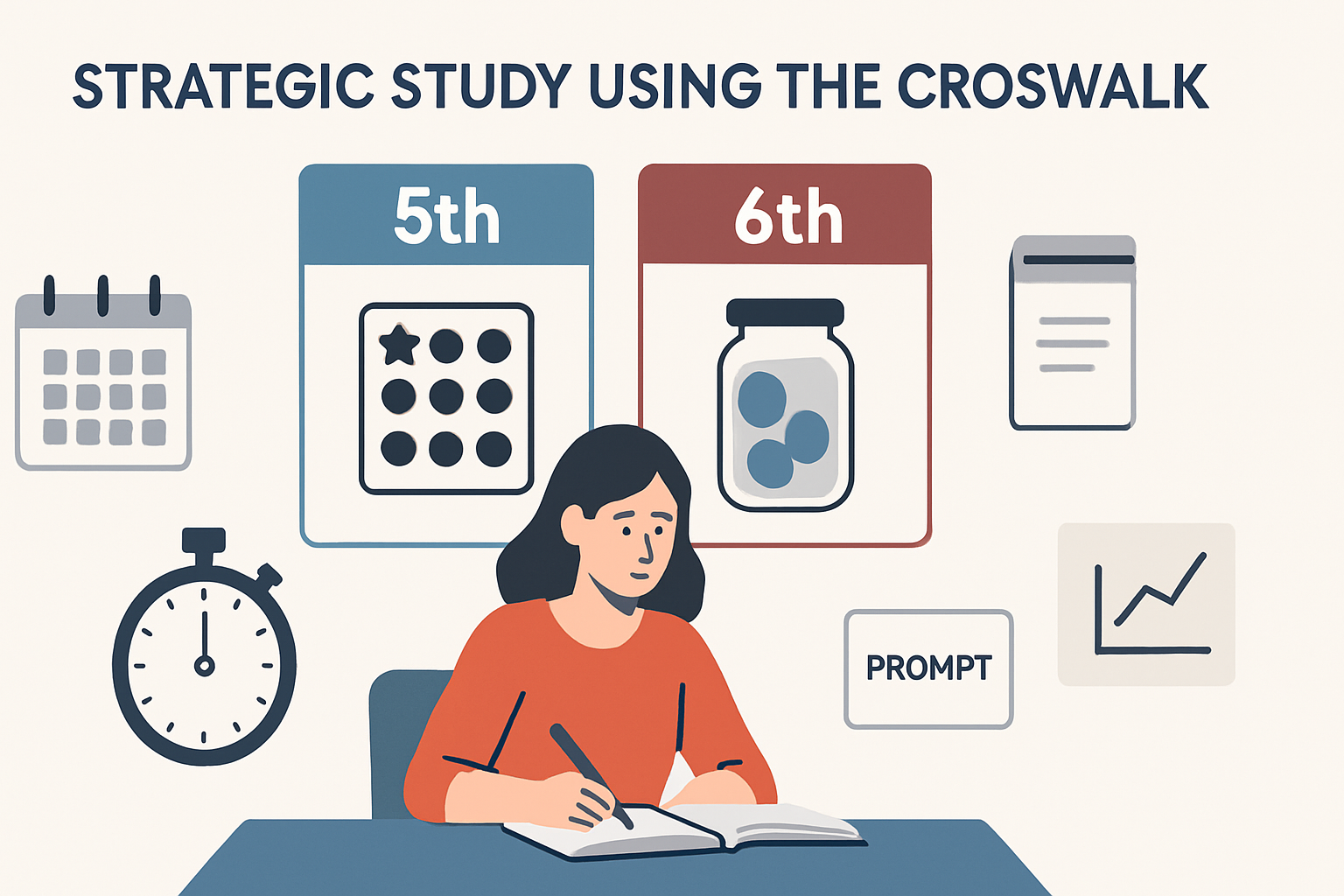
Effective preparation requires systematic integration of the crosswalk into your study routine. Whether you began with 5th Edition materials or are starting fresh, this approach maximizes efficiency.
Building Your Personalized Study Roadmap
Follow this step-by-step method to create an effective study plan aligned with the 6th Edition requirements.
- Download the official crosswalk from the BACB website and review it thoroughly
- Audit your current materials against the 6th Edition task list using the crosswalk as your guide
- Flag content gaps where you need updated resources or additional study
- Prioritize new emphasis areas like supervision, cultural responsiveness, and updated measurement techniques
- Integrate 6th Edition-aligned resources such as our BCBA mock exam for the 6th Edition
Common Pitfalls and How to Avoid Them
Candidates often stumble on predictable traps during transition periods. Awareness prevents these common mistakes.
- Over-focusing on removed content – Some 5th Edition topics were eliminated or significantly reduced
- Underestimating new ethical scenarios – The expanded ethics section requires deeper understanding
- Misinterpreting reworded tasks – Similar terminology may have different applications
- Neglecting supervision competencies – This area receives substantially more emphasis
- Assuming old study materials suffice – Many resources need supplementation or replacement
Summary and Next Steps for Your Preparation
The BCBA 5th to 6th Edition Crosswalk serves as your essential navigation tool through the certification transition. By understanding where content moved and how emphasis shifted, you can allocate study time effectively and avoid outdated material.
Begin by downloading the official crosswalk from the BACB website and reviewing our comprehensive 6th Edition Task List guide. Next, assess your current materials against the updated requirements, focusing particularly on enhanced areas like supervision ethics and cultural responsiveness.
Remember that successful preparation combines understanding task list changes with practical application. Use the crosswalk to identify gaps, then fill them with updated resources and practice questions that reflect current exam content. For additional guidance on measurement concepts that remain relevant across editions, explore our data collection methods guide.
Your systematic approach to the transition will pay dividends on exam day, ensuring you’re tested on current competencies rather than outdated requirements.



