
What is Functional Communication Training?
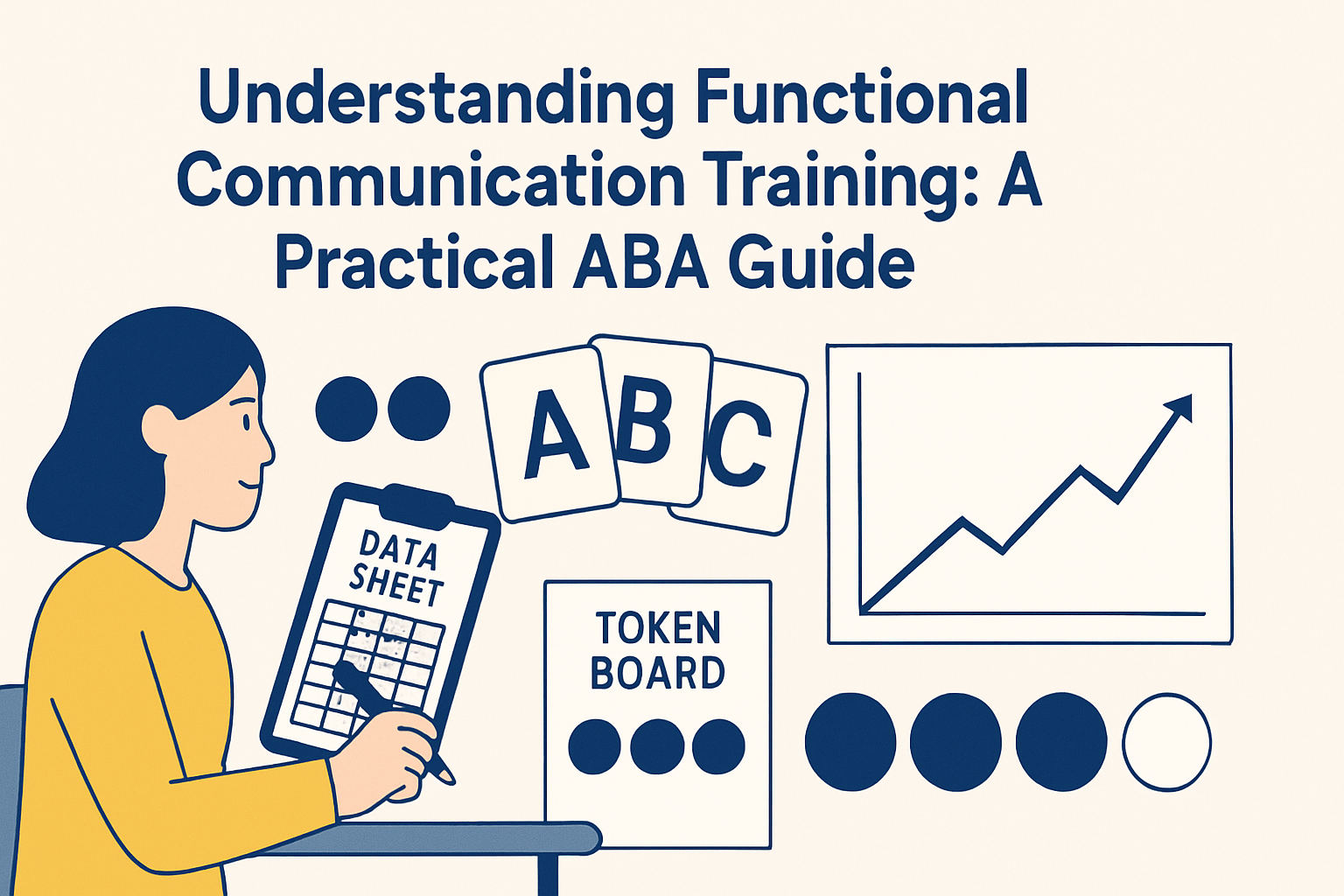
Functional Communication Training (FCT) is an evidence-based behavior intervention that teaches individuals to use appropriate communication to replace challenging behaviors. Developed from applied behavior analysis principles, FCT addresses the communicative function of problem behaviors rather than just suppressing them. This approach recognizes that many challenging behaviors serve as communication attempts when individuals lack more effective ways to express their needs.
The core premise of FCT is that when people learn functional alternatives to problem behaviors, they can achieve the same outcomes through appropriate means. This intervention is particularly effective for individuals with communication deficits, including those with autism spectrum disorder, intellectual disabilities, or language impairments. By teaching replacement behaviors that serve the same function, practitioners can reduce challenging behaviors while building essential communication skills.
Key Components of FCT
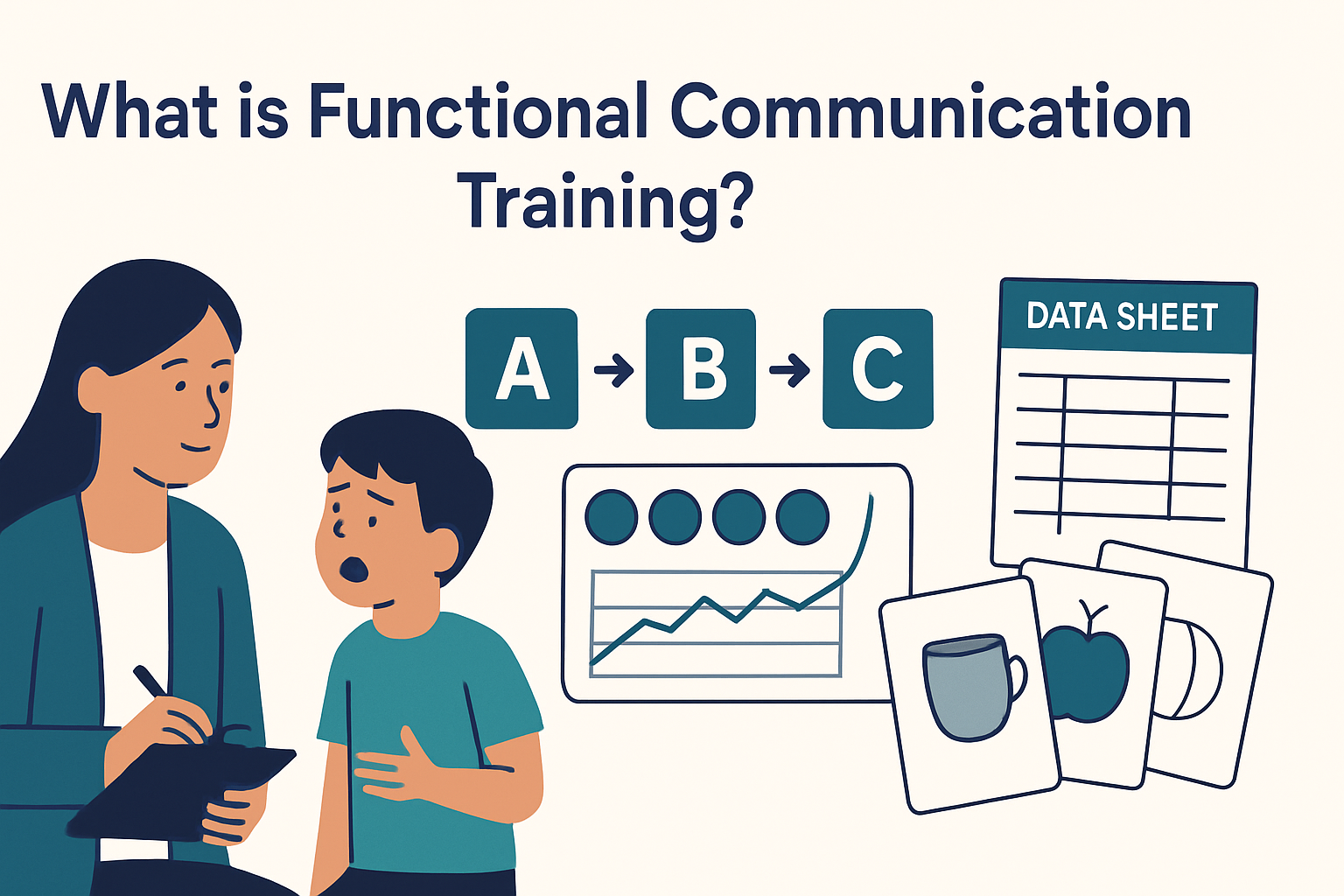
Effective Functional Communication Training involves several critical components that must be systematically implemented. First, practitioners conduct a functional behavior assessment (FBA) to identify the purpose of the challenging behavior. This assessment determines whether the behavior serves to gain attention, access preferred items, escape demands, or achieve sensory stimulation. Understanding this behavioral function is essential for selecting appropriate replacement behaviors.
The second component involves selecting and teaching communication responses that are easier and more efficient than the problem behavior. These responses should be functionally equivalent to the challenging behavior, meaning they achieve the same outcome. Common teaching methods include prompting strategies, differential reinforcement, and systematic fading of prompts. The selected communication response must be socially acceptable and practical for the individual’s environment.
Practical ABA Examples of FCT Implementation
Understanding Functional Communication Training becomes clearer through real-world examples that demonstrate its application across different behavioral functions. These examples show how FCT can be tailored to individual needs while maintaining behavioral principles and achieving meaningful outcomes.
Example 1: Attention-Seeking Behavior
A child engages in property destruction when wanting adult attention. Through FBA, the behavior is identified as serving an attention function. The intervention teaches the child to use a picture card or say “play with me” instead of destroying items. The adult immediately provides positive attention when the appropriate communication occurs, while minimizing attention for destructive behavior. This example demonstrates how FCT addresses social reinforcement needs through appropriate communication.
Example 2: Escape-Maintained Behavior
A student displays task refusal and aggression during difficult academic work. Functional assessment reveals these behaviors serve an escape function. The FCT intervention teaches the student to use a break card or say “help please” when work becomes challenging. The teacher honors these communication attempts by providing assistance or brief breaks, while gradually increasing work demands. This approach reduces escape behaviors while teaching self-advocacy skills.
Example 3: Tangible-Maintained Behavior
An adult with developmental disabilities engages in self-injurious behavior when wanting access to preferred snacks. The FBA identifies this as tangible reinforcement. The FCT program teaches the individual to exchange a token or use a verbal request for snacks. Staff consistently provide access to snacks following appropriate communication, while implementing extinction procedures for self-injury. This example shows FCT’s effectiveness with severe behaviors maintained by access to preferred items.
BCBA Exam Relevance and Preparation Tips
Functional Communication Training is a high-yield topic on the BCBA examination that requires thorough understanding. Candidates should be prepared to answer questions about FCT’s theoretical foundations, implementation procedures, and ethical considerations. The exam typically includes scenarios requiring identification of appropriate replacement behaviors based on functional assessment data.
For effective exam preparation, focus on understanding the relationship between functional behavior assessment and FCT implementation. Practice identifying when FCT is the most appropriate intervention versus when other approaches might be better suited. Review the BACB Ethics Code sections related to selecting least restrictive interventions and ensuring client dignity through communication training. Consider using BACB resources for current task list requirements.
Common exam questions involve selecting communication modalities based on individual abilities, implementing prompt fading procedures, and designing generalization programs. Be prepared to analyze data graphs showing FCT effectiveness and make data-based decisions about intervention modifications. Our ABA interventions guide provides additional practice with these concepts.
Common Implementation Traps and Solutions
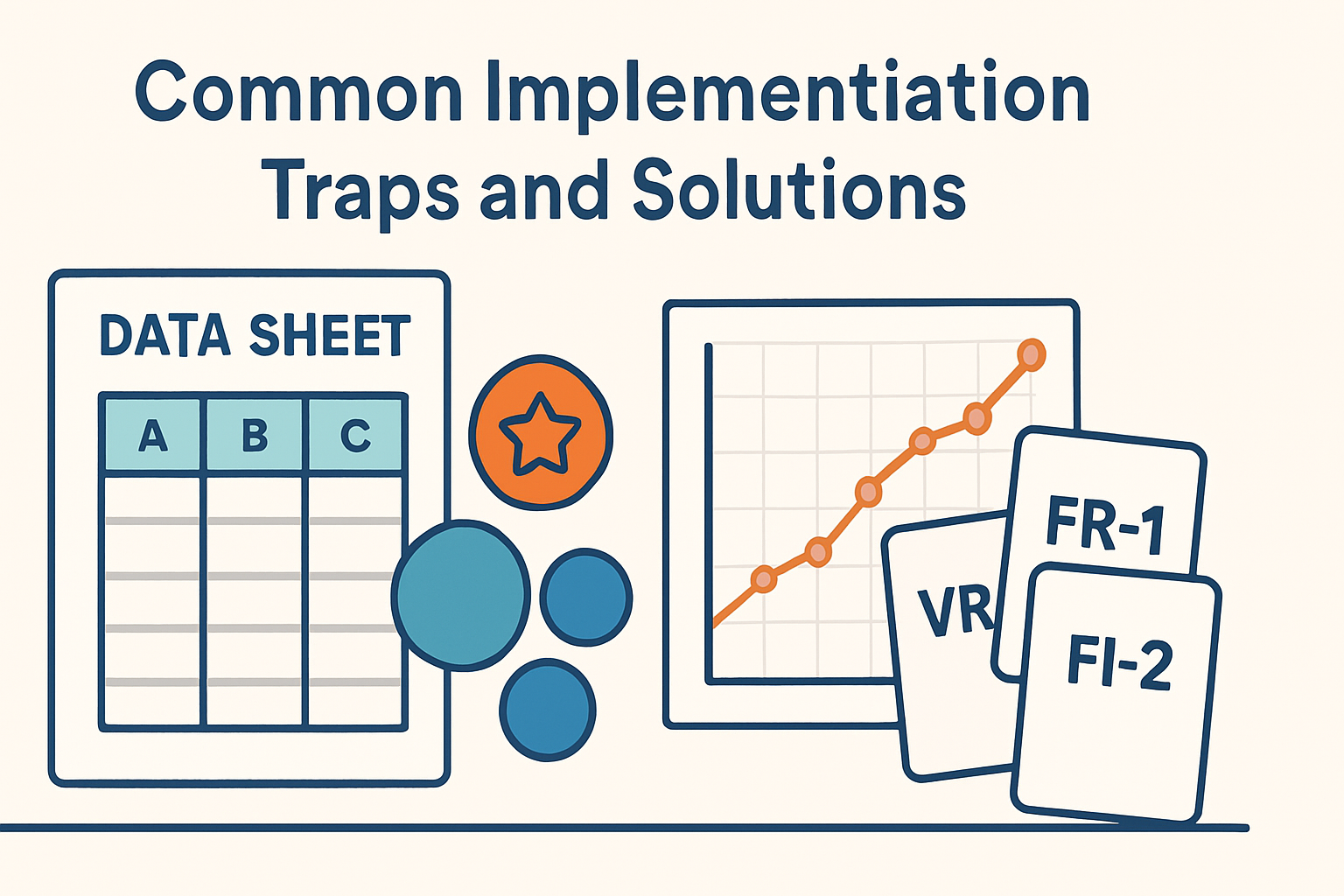
Even experienced practitioners can encounter implementation challenges when using Functional Communication Training. Recognizing these common traps and having strategic solutions can improve intervention effectiveness and prevent treatment failures.
Trap 1: Incomplete Functional Assessment
One of the most frequent mistakes is implementing FCT without a thorough functional behavior assessment. When practitioners assume rather than verify the function of behavior, they may teach ineffective replacements that don’t match the true behavioral purpose. The solution involves conducting comprehensive direct observation, indirect assessment, and when appropriate, functional analysis to confirm behavioral function before intervention.
Trap 2: Poor Response Efficiency
Another common error is selecting replacement behaviors that are less efficient or effective than the problem behavior. If the new communication requires more effort, takes longer to produce results, or is less reliable, individuals may revert to challenging behaviors. The solution involves ensuring replacement behaviors are easier to perform, produce quicker reinforcement, and are consistently honored across environments.
Trap 3: Inadequate Generalization Planning
Many FCT programs fail because practitioners don’t plan for skill generalization across people, settings, and situations. Individuals may learn to communicate appropriately only with specific staff in particular environments. The solution involves systematic generalization programming from the beginning, including training multiple communication partners and practicing skills in various natural contexts.
Quick FCT Implementation Checklist
Use this practical checklist to ensure comprehensive implementation of Functional Communication Training:
- Conduct thorough functional behavior assessment to identify behavioral function
- Select functionally equivalent communication responses that match the identified purpose
- Choose appropriate communication modalities based on individual abilities and preferences
- Design systematic teaching procedures using prompting and reinforcement strategies
- Implement differential reinforcement of appropriate communication while placing problem behavior on extinction
- Plan for prompt fading to promote independent communication use
- Program for generalization across people, settings, and situations
- Collect ongoing data measurement to monitor progress and make necessary adjustments
- Train communication partners to recognize and respond to appropriate communication attempts
Final Summary and Key Takeaways
Functional Communication Training represents a powerful approach within applied behavior analysis for reducing challenging behaviors while building essential communication skills. By focusing on the communicative function of problem behaviors, FCT addresses the root cause rather than just suppressing symptoms. This intervention aligns with ethical practice by promoting client dignity through effective communication alternatives.
Successful implementation requires careful assessment procedures, thoughtful selection of replacement behaviors, and systematic teaching methods. Practitioners must avoid common traps like incomplete assessment or poor generalization planning. For BCBA candidates, mastering FCT concepts is essential for both exam success and effective clinical practice. Remember that FCT is most effective when integrated into comprehensive behavior support plans that address all relevant environmental factors.
As you continue your ABA journey, consider exploring related topics like verbal behavior programming and peer-reviewed research on communication interventions. Whether preparing for certification or implementing interventions, understanding Functional Communication Training provides valuable tools for creating meaningful behavior change through effective communication.



